
 Silver Bullet Pest Control
The Most Effective Bed Bug Treatment in New Jersey: Methods Compared
Heat, sprays, dusts, steam, foggers, encasements — which ones actually end a bed bug problem? This guide compares the methods honestly, explains why so many treatments fail, and shows what a plan that works looks like in a New Jersey house or apartment.
Featured on Telemundo 47 • EPA Pesticide Safety Certified • 4.9 Stars on Google • NJ License 90568B
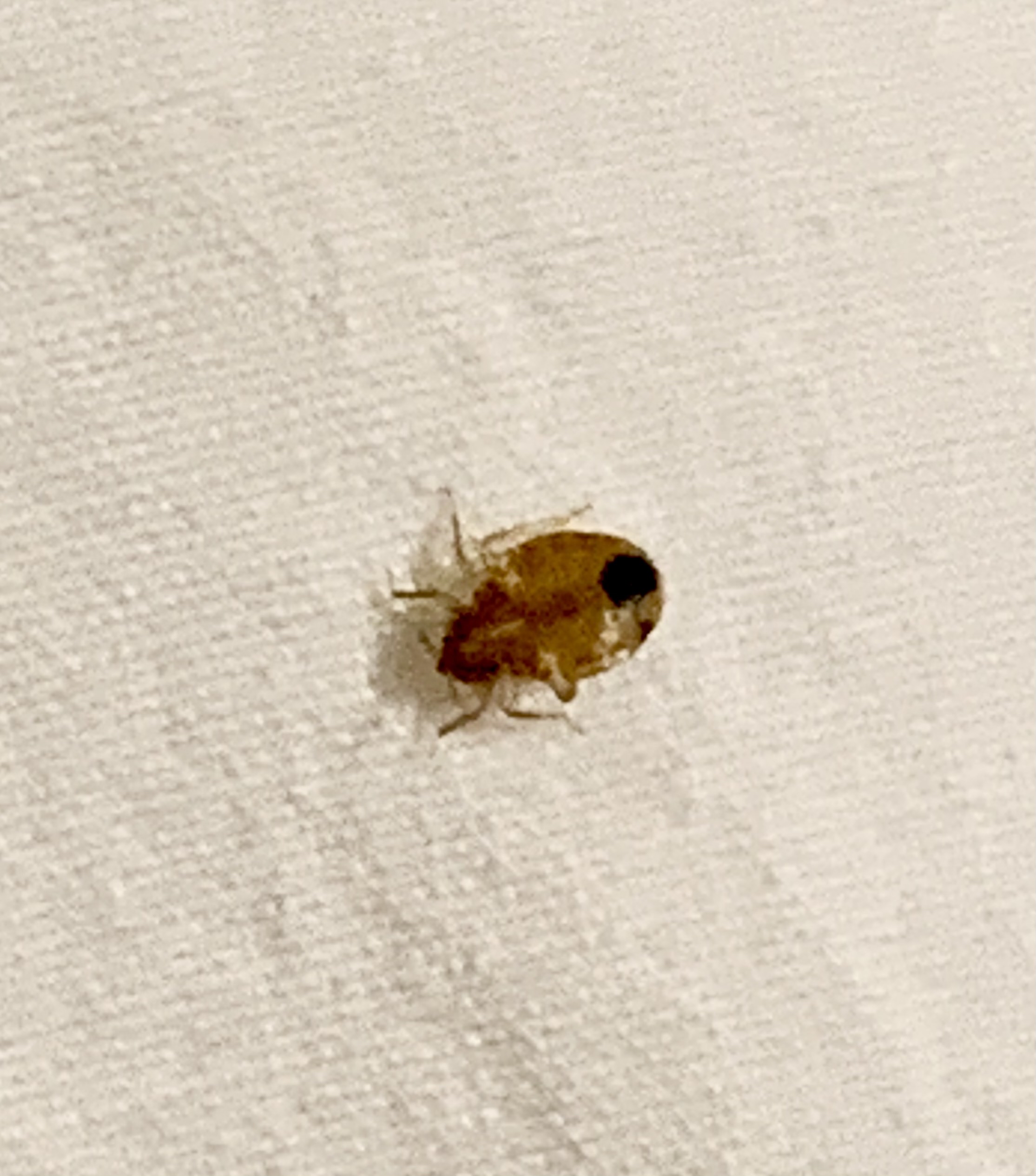
Not sure it's a bed bug? Text us a clear photo and we'll tell you what we see.
- ✓ Same-day appointments often available
- ✓ Licensed & insured in NJ
- ✓ Homes & businesses
- ✓ English & Español
What is the most effective bed bug treatment?
The most effective bed bug treatment is a combined plan, not a single product: a thorough inspection, targeted professional treatment of every hiding spot, good preparation by the household, and at least one follow-up visit to catch bugs that hatch from eggs. Heat and chemical methods can both work when done this way; foggers and store-bought sprays rarely do. For help in North Jersey, call 973-510-2585.
Why there's no single "best" bed bug killer
There is no product or machine that wipes out bed bugs overnight. Bed bugs are small enough to hide in a screw hole, they can go weeks between meals, and their eggs are glued into cracks where many treatments don't reach. A method that kills every adult bug in the room can still fail if a few eggs hatch ten days later.
That's why the treatments that work in New Jersey homes all share the same pieces:
- Accurate inspection — confirming it really is bed bugs and mapping every room and piece of furniture involved.
- Targeted treatment of the bed, the furniture, the cracks and the edges of the room, not just a spray across the mattress.
- Preparation by the people who live there, so the technician can reach the hiding spots.
- Follow-up visits to deal with newly hatched bugs and confirm activity is gone.
The method — heat, liquid products, dusts or a mix — matters less than whether all four of those happen. Think of this page as a buyer's guide. When you're ready for service, our main bed bug treatment page explains how Silver Bullet Pest Control handles it.
Bed bug treatment methods compared
Here's how the common options stack up when they're used on their own in a real home.
| Method | What it does | Where it falls short | Our honest verdict |
|---|---|---|---|
| Professional inspection | Confirms bed bugs, finds how far they've spread and which rooms need treatment | Doesn't kill anything by itself | The step most failed treatments skipped |
| Targeted professional treatment | Licensed products applied to seams, frames, furniture joints, cracks and outlets | Needs prep and follow-up; some bed bugs resist common store-bought chemicals | Core of most successful plans |
| Whole-room heat | Raises the room and its contents to temperatures that kill all life stages | Cool spots and items packed tightly can shelter bugs; no lasting protection afterward | Strong option when done by trained crews with proper equipment |
| Steam & vacuuming | Kills or removes bugs and eggs on contact on surfaces you can reach | Only works where the nozzle touches; nothing left behind | Useful helper, not a full treatment |
| Encasements & interceptors | Seal the mattress and box spring; cups under bed legs catch bugs climbing up | Don't treat the rest of the room | Cheap, smart add-on for monitoring |
| Foggers / bug bombs | Release a cloud of insecticide into the room | Don't reach cracks where bed bugs hide and can push them into new rooms | Skip them |
| Store-bought sprays | Kill bugs you hit directly | Miss eggs and hidden bugs; resistance is common | Rarely solves an established problem |
Freezing works only for small items that can stay in a freezer at about 0°F for several days — not for a room. Throwing out the mattress doesn't work either; the bugs in the frame, couch and baseboards stay behind.
Where an effective treatment has to reach
Bed bugs stay close to where people sleep and sit. A treatment is only as good as the hiding spots it covers.
Mattress, Box Spring & Frame
- Seams, piping and tags on the mattress
- Underside and corners of the box spring
- Screw holes and joints in the bed frame and headboard
Most bugs start here, so this is where the inspection begins. After treatment, encasements keep anything left inside the mattress trapped where it can't feed.

Baseboards, Outlets & Cracks
- Gaps along baseboards and carpet edges
- Behind outlet and switch plates near the bed
- Picture frames, curtain rods and loose wallpaper
As numbers grow, bed bugs spread out from the bed into the edges of the room. Missing these spots is one of the most common reasons bugs come back weeks later.
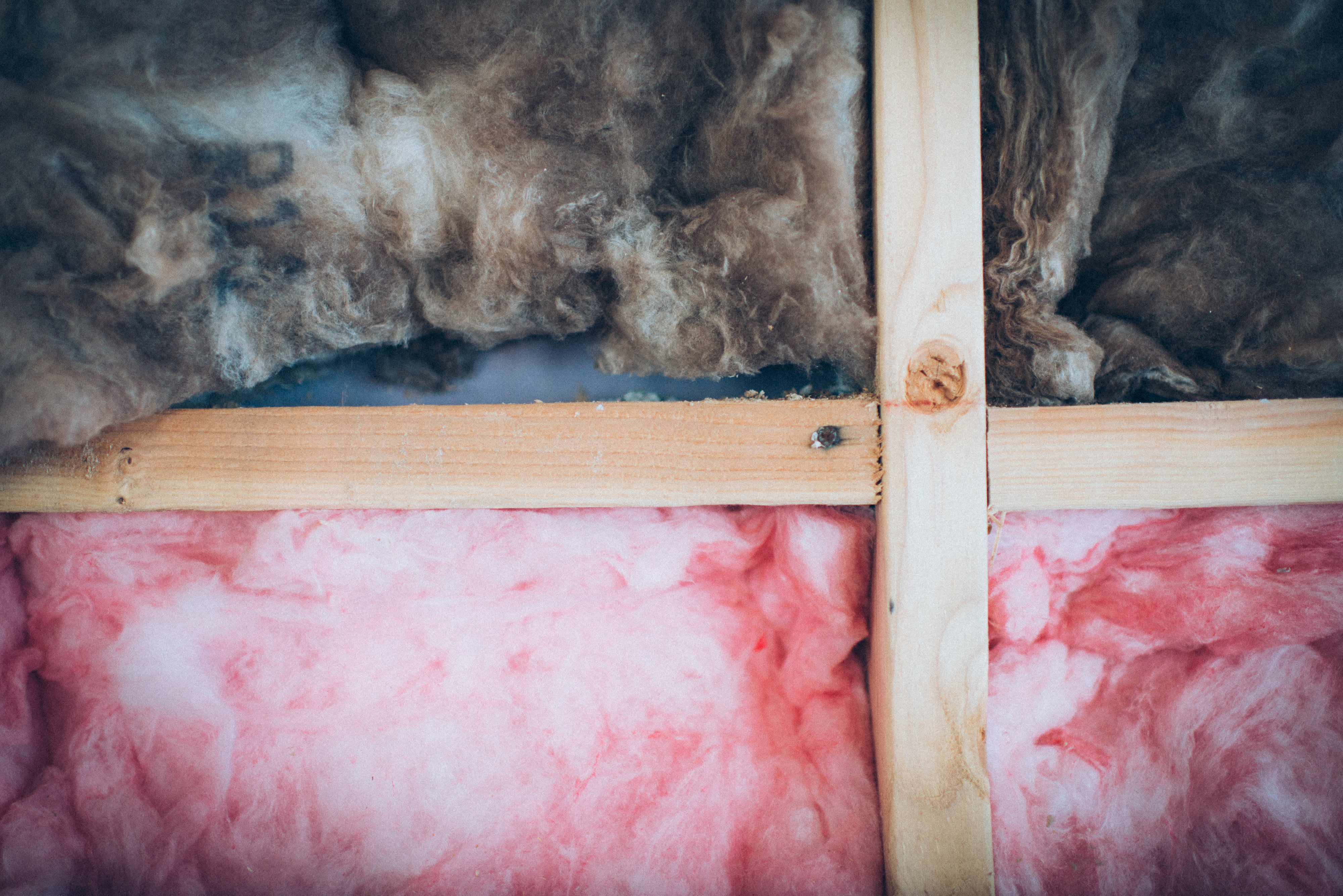
Couches, Clutter & Shared Walls
- Couch cushions, recliners and sofa beds
- Piles of clothes, bags and boxes near the bed
- In apartments, pipes and wiring shared with neighbors
Anywhere people rest can hold bed bugs. In multi-family buildings they can travel between units through wall voids, which is why neighboring apartments sometimes need a look too.
Heat vs. chemical bed bug treatment: the honest comparison
Both of the big approaches can work, and both can fail. Here's what separates them.
Heat treatment
Whole-room heat uses special heaters and fans to bring a room and everything in it up to a temperature that kills bed bugs and their eggs, then holds it there for hours. Done right, it can clear a room in one long visit. The catch is that heat has to get everywhere: inside packed dressers, under heavy furniture, behind baseboards. Cool pockets let bugs survive, and once the room cools there's nothing left behind to stop a bug that wanders back in.
Chemical (targeted) treatment
A licensed technician applies different products to different places — liquid products on frames and furniture, dusts in wall voids and outlets, and materials that keep working for a while after the visit. It doesn't need special equipment, it can reach places heat struggles with, and it leaves some lasting protection. The trade-off: it usually takes more than one visit, because eggs hatch after the first treatment.
Which one is right for you?
It depends on the size of the problem, the type of building, how much clutter there is and who lives there. Many professionals combine methods. What matters is that whoever treats your home inspects first, explains the plan, and comes back to check. Ask us which approach we'd recommend for your home and why — we'll give you a straight answer after we see it.
Why do-it-yourself bed bug treatments usually fail
Foggers scatter them
Bug bombs fill the air but don't get into cracks and seams. Bed bugs that sense the chemical often move deeper into the walls or into the next room.
Resistance is real
Many bed bug populations have grown resistant to the common insecticides sold in stores, so a spray that kills on contact may barely touch the ones hiding.
Sleeping somewhere else
Moving to the couch or a relative's house doesn't starve them out. Bed bugs can wait a long time between meals, and they follow people to the new spot.
Tossing furniture
Dragging an infested mattress through the hallway can spread bugs along the way, and the frame, baseboards and other furniture still have bugs in them.
The one DIY step that always helps: washing and drying clothes and bedding on high heat. For more, read are there over-the-counter treatments for bed bugs?
What an effective bed bug plan looks like, visit by visit
Inspection
We confirm it's bed bugs (not carpet beetles or bat bugs), check beds, furniture and room edges, and tell you which rooms need treatment.
Prep instructions
You get a clear list: what to launder, what to bag, what to move away from the walls. Good prep makes any method work better.
First treatment
Every hiding spot we found gets treated — beds, furniture, cracks, outlets and the edges of the room — and we tell you what to expect over the next days.
Follow-up visit
We come back after eggs have had time to hatch, treat again where needed and check for signs of new activity.
Verify and prevent
When activity has stopped, we go over prevention: encasements, interceptors and what to watch for after travel or guests.
Most homes need more than one visit. Anyone who promises one quick spray will end it for good isn't being straight with you.
Bed bugs in New Jersey apartments and multi-family homes
A lot of North Jersey lives in two- and three-family houses, garden apartments and larger buildings. That changes how bed bugs should be treated:
- Check the neighbors. When one unit has an established problem, the units next to, above and below it should be inspected. Otherwise bugs can move back and forth.
- Coordinate the timing. Treating connected units on the same schedule gives the best results.
- Report it early. Tenants should tell the landlord or manager in writing as soon as they suspect bed bugs. Landlords should act quickly — a small problem in one room is far easier to fix than a building-wide one.
Who has to pay for treatment in a rental depends on the type of building, the lease and local rules, and those rules can change. Check with your town's code enforcement office or the NJ Department of Community Affairs if you're unsure. Our landlord and tenant pest control guide covers this in more detail.
Your part: prep that makes any method work
Launder and bag
Wash bedding and clothes from affected rooms, dry them on high heat, and keep them sealed in clean bags until treatment is done.
Cut the clutter
Bed bugs love piles. Clear the floor, under the bed and around furniture so every edge and crack can be reached.
Pull furniture out
Move beds, dressers and couches a little away from the walls so the technician can treat behind them.
Don't move things room to room
Carrying items from an infested bedroom to a clean one is how a one-room problem becomes a whole-house problem.
The full list is on our bed bug treatment prep checklist. If you're not sure it's bed bugs at all, see carpet beetles vs. bed bugs.
More bed bug help
Ask About Bed Bug Treatment
Tell us where you're seeing signs, how many rooms and whether it's a house or apartment. Call or text and we'll tell you the soonest opening.
Why people reach out to us
- Bites in the morning and small dark spots on the sheets
- A DIY spray or fogger that didn't work
- Bed bugs in an apartment or multi-family building
- Brought something home after a trip or a used-furniture purchase
- Want an honest opinion on heat vs. chemical treatment
Request Service
🔒 Your info stays private · Hablamos español.
Bed Bug Treatment Methods FAQ
What is the most effective way to get rid of bed bugs?
A professional plan that combines inspection, targeted treatment of every hiding spot, household prep and follow-up visits. No single spray or device works on its own.
Is heat treatment better than chemical treatment for bed bugs?
Not always. Heat can kill all life stages in one visit when it reaches every spot, while targeted chemical treatment leaves lasting protection and reaches places heat may miss — the right choice depends on the home.
Do bed bug foggers work?
No. Foggers don't reach the cracks and seams where bed bugs hide, and they can push bugs deeper into walls or into other rooms.
How many treatments does it take to get rid of bed bugs?
Most homes need at least one follow-up after the first treatment, because eggs can survive and hatch afterward. Heavier or multi-unit problems may need more.
Can I get rid of bed bugs myself?
Small steps help — laundering on high heat, vacuuming, encasements and interceptors — but established infestations rarely clear up with store-bought products alone.
Should I throw away my mattress?
Usually not. Bugs in the frame, furniture and baseboards stay behind, and carrying a mattress out can spread them; encasing it after treatment is often the better move.
Why did bed bugs come back after treatment?
Usually because hiding spots were missed, eggs hatched with no follow-up, items were moved between rooms, or neighboring units weren't treated.
Do bed bugs spread between apartments?
Yes. They can travel through wall voids, pipe openings and hallways, so connected units should be inspected when one has an established problem.
Are you licensed to treat bed bugs in New Jersey?
Yes. Silver Bullet Pest Control holds NJ Pesticide License 90568B and is based in Garfield, serving Bergen, Passaic, Essex and Hudson counties.
How soon can someone inspect for bed bugs?
Call or text 973-510-2585 and we'll tell you the soonest opening for your town.
¿Cuál es el mejor tratamiento para chinches?
Un plan completo: inspección, tratamiento de todos los escondites, preparación de la casa y visitas de seguimiento. Hablamos español — llame o mande texto al 973-510-2585.
Bed bug help near you
Based in Garfield, we inspect and treat homes and apartments in these towns and across North Jersey.
Updated October 2026 by the Silver Bullet Pest Control team, Garfield, NJ • NJ License 90568B