
 Silver Bullet Pest Control
Wildlife Damage Repair in NJ — Attic Cleanup, Insulation & Entry-Point Sealing
Raccoons tore up the attic, squirrels chewed through the soffit, or bats left droppings and a smell you can't get rid of? Silver Bullet Pest Control finishes the job after the animal is gone — we seal the way in, clean and deodorize the attic with HEPA equipment, remove and replace damaged insulation, and repair chewed soffits, fascia and trim ourselves.
4.9 stars on Google • NJ License 90568B • Licensed by NJ Fish & Wildlife for wildlife work • 15+ years • Hablamos español
Text photos of the damage — inside and outside — to 973-510-2585 for a free quote.
- ✓ Same-day appointments often available
- ✓ Licensed & insured in NJ
- ✓ Homes & businesses
- ✓ English & Español
What is wildlife damage repair, and who does it in NJ?
Wildlife damage repair in NJ is the work done after squirrels, raccoons, bats or birds are removed: sealing the holes they used, cleaning up droppings and nests, removing the odor, and replacing insulation they ruined. Silver Bullet Pest Control does all of that ourselves across Bergen, Passaic, Essex and Hudson counties, including HEPA cleanup, odor control and attic insulation removal and replacement. Call or text 973-510-2585 for a free quote.
What kind of damage each animal leaves
Different animals break into houses in different ways — and leave different messes behind:
| Animal | Typical way in | Damage we usually find |
|---|---|---|
| Squirrels | Chewed holes at soffit corners, roof edges, gable vents | Chewed wood and vents, nests in insulation, chewed wiring |
| Raccoons | Torn-open roof vents, soffits, chimney tops, loose shingles | Flattened and soiled insulation, latrines, torn ducts, large holes |
| Bats | Tiny gaps at the roofline, behind shutters, around chimneys | Guano piles, staining at entry points, strong odor |
| Birds (sparrows, starlings, pigeons) | Broken vent flaps, gaps under eaves, signs | Nests blocking vents, droppings, mites |
| Mice and rats | Small foundation gaps, pipe and utility openings | Droppings, urine-soaked insulation, chewed wiring |
Not sure who was up there? Our attic noises guide helps you tell squirrels, rats and raccoons apart.
Wildlife damage repair services we do ourselves
Entry-point sealing
- Holes at soffits, fascia, roof edges and vents
- Chimney and gable openings
- Gaps around pipes and utility lines
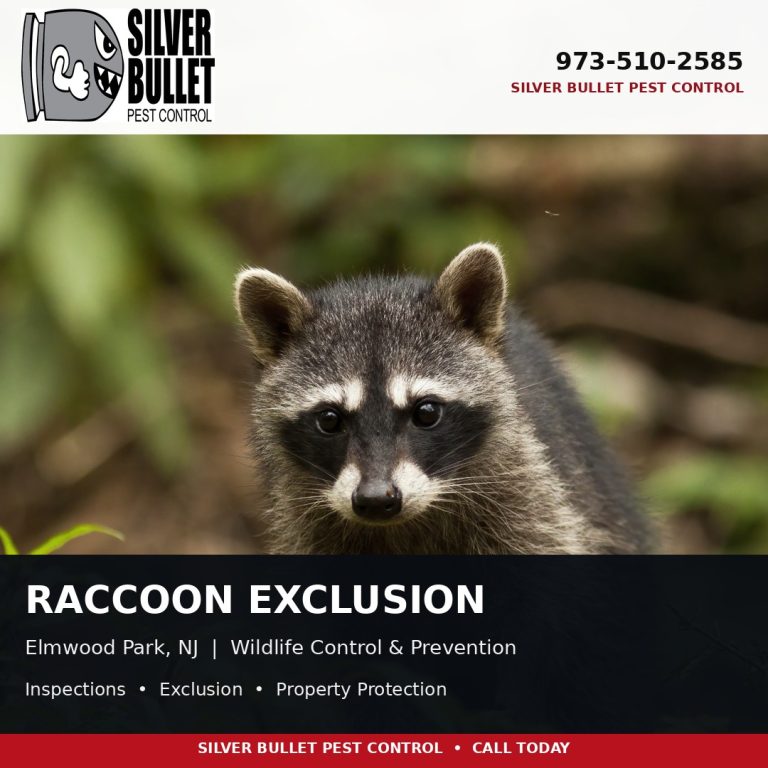
The most important repair is closing the hole. We seal entry points with materials animals can't chew or tear through, and check the rest of the roofline for the next weak spot while we're up there.
Odor control & HEPA cleanup
- Droppings, urine and nest material removed
- HEPA vacuums for fine dust
- Deodorizing treatment of the affected area
Animal waste in an attic smells, stains and can carry disease. We remove it with HEPA equipment, treat the area to control odor, and leave the space clean enough to insulate again.
Attic insulation removal & replacement
- Soiled or flattened insulation removed
- Attic cleaned and treated
- New insulation put back in
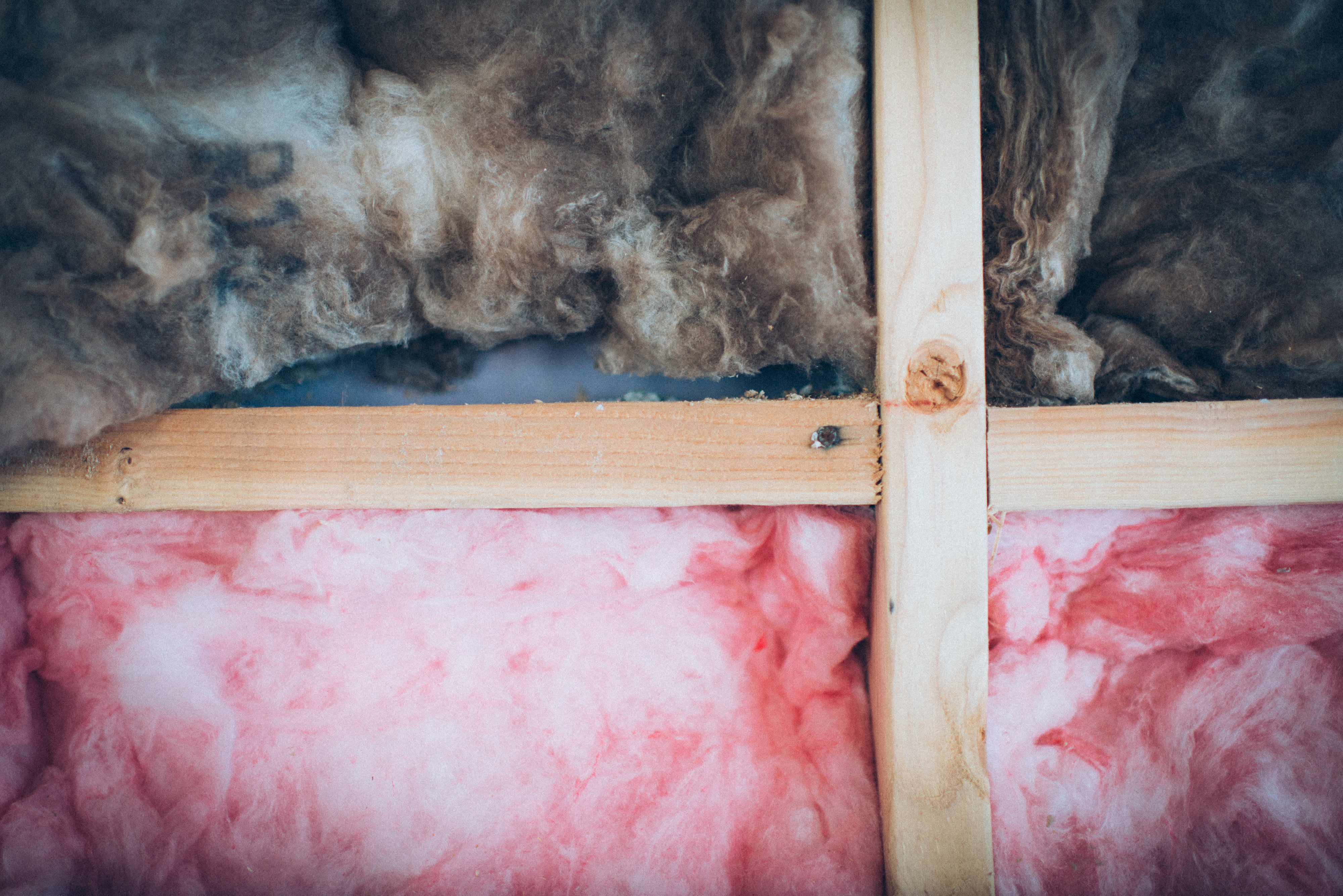
Insulation that's been crushed, nested in or soaked with urine doesn't insulate and keeps smelling. We remove it, clean the attic, and replace it so your heating and cooling work the way they should.
How wildlife damage repair works, step by step
Inspect inside and outside
We go into the attic and around the roofline to find every entry point, see how far the damage goes, and check for animals still inside.
Make sure the animals are out
Squirrels and raccoons leave through one-way doors or are removed; young are handled with care. Bats follow strict NJ timing rules, and we do acoustic bat surveys ourselves.
Seal the entry points
Holes and gaps are closed with chew-proof material so no animal can get back in.
Clean and deodorize
Droppings, nests and soiled material are removed with HEPA equipment and the area is treated for odor.
Replace insulation
Damaged insulation is removed and new insulation is put back so the attic works again.
Need the animal removed first? Start with emergency squirrel removal, raccoon removal or bat exclusion.
When attic insulation needs to be replaced after animals
Not every attic with an animal problem needs all-new insulation. Here's how we decide:
- Small, contained mess: a squirrel nest in one corner, a little nest material. Often the soiled section can be removed and the area cleaned and patched.
- Raccoon latrines or heavy droppings: waste soaks in and spreads. The affected insulation usually has to come out.
- Bat guano across the attic: fine dust and strong odor. Usually a full cleanup and replacement in the affected areas.
- Flattened, tunneled insulation: even without much waste, crushed insulation loses most of its value. Your heating bill shows it.
- Smell that won't go away: almost always means soiled material is still up there.
We show you what we find before recommending how much to replace.
Why animal droppings in the attic shouldn't be ignored
Raccoon latrines
Raccoon droppings can carry roundworm eggs that are dangerous to people. Never sweep or vacuum them with a household vacuum.
Bat guano
Dried guano can grow a fungus that causes lung infections when the dust is breathed in. Bats can also carry rabies.
Bird nests
Droppings and nests bring mites and beetles, and the dry dust can carry fungi and bacteria.
Rodent waste
Mouse and rat urine and droppings soak into insulation and can carry disease. They also attract more rodents.
If a bat was in a room with someone sleeping or with a child, keep the bat (don't release it) and call your local health department about rabies testing.
Why the order of repairs matters
The most common mistake we see is fixing things in the wrong order:
- Sealing before the animals are out traps them inside. They chew a new hole — sometimes into a bedroom — or die in the wall and cause a second, worse odor problem.
- Putting in new insulation before cleanup seals the smell and the waste under fresh material.
- Patching the roofline before checking the whole house leaves the next weak spot open. Squirrels and raccoons test every corner.
The right order is: animals out, entry points sealed, attic cleaned and deodorized, then insulation replaced. That's how we plan every job. If you've already had a roofer or handyman patch a hole and the noise came back, call us — there's usually another way in.
Spring and summer are baby season for squirrels and raccoons, and bats have legal timing windows, so the schedule depends on the animal. See baby squirrel and raccoon season.
What affects the cost of wildlife damage repair
Every attic is different, so we give a free quote after the inspection. These change the price:
| Factor | Smaller job | Bigger job |
|---|---|---|
| Entry points | One hole | Several holes around the roof, chimney and vents |
| Roof access | One story, low pitch | Tall or steep roof, high gables |
| Cleanup | A single nest | Latrines, bat guano or droppings across the attic |
| Insulation | Small section to patch | Whole attic to remove and replace |
| Other damage | Little or none | Chewed wiring, torn ducts, damaged vents or wood |
Insurance coverage for animal damage varies by policy — ask your insurance company what's covered.
DIY cleanup vs. hiring a wildlife damage pro
| Doing it yourself | Professional wildlife repair | |
|---|---|---|
| Finding every entry point | Easy to miss gaps high on the roof | Full roofline and attic inspection |
| Animals still inside | Risk of trapping them | Confirmed out before sealing |
| Droppings and guano | Exposure to dust; household vacuums spread it | HEPA equipment and protective gear |
| Odor | Sprays cover it for a few days | Soiled material removed and area treated |
| Insulation | Heavy, dirty work in a hot attic | Removed and replaced by our crew |
Related wildlife pages
Get a Free Wildlife Damage Repair Quote
Send photos of the damage inside and outside and tell us what animal you think it was. We'll give you a free quote and a plan in the right order.
Why North Jersey calls us after wildlife
- A smell in the attic that won't go away
- Insulation torn up by raccoons or squirrels
- Bat droppings in the attic or by the chimney
- Holes at the soffit, roof edge or vents
- Animals came back after someone else patched the hole
Request Service
🔒 Your info stays private · Hablamos español.
Wildlife Damage Repair Questions
What does wildlife damage repair include?
Wildlife damage repair includes sealing the holes animals used, removing droppings and nests, controlling the odor and replacing damaged attic insulation. We do the sealing, HEPA cleanup, odor control and insulation removal and replacement ourselves, and we repair chewed soffits, fascia and trim ourselves too. Ask us about vent repairs when we inspect.
How do I know if animals damaged my attic?
Common signs are a strong smell, droppings, flattened or tunneled insulation, chewed wires or wood, and daylight showing through the roofline. Outside, look for holes at soffit corners, torn roof vents and stains around gaps. Text us photos and we'll tell you what we see.
Do I need to replace insulation after raccoons or squirrels?
Often, but not always. A small nest can sometimes be cleaned and patched. Raccoon latrines, bat guano, urine-soaked areas or insulation that's been flattened across the attic usually need to come out and be replaced. We show you what we find before recommending how much.
Is it safe to clean up animal droppings myself?
It's risky. Raccoon droppings can carry roundworm eggs and bat guano can grow a fungus that causes lung infections when dust is breathed in. Household vacuums spread the dust. If you must clean a small spot, wet it first and wear gloves and a mask, or let us handle it with HEPA equipment.
How long does wildlife damage repair take?
Sealing and a small cleanup can often be done in a day. A full attic cleanup and insulation replacement takes longer, depending on the attic's size and access. The biggest timing factor is making sure the animals are out first, which can take a few days with one-way doors.
How do you get rid of the smell from animals in the attic?
The smell comes from waste, nests and soiled insulation, so masking sprays don't last. We remove the soiled material with HEPA equipment, treat the area for odor, and replace insulation if needed. If the smell is from an animal that died in a wall, it has to be found and removed.
Can you repair damage before the animals are gone?
No — and you shouldn't. Sealing holes while animals are inside traps them, and they'll chew a new way out or die in the walls. We confirm the animals are out first, then seal, clean and restore. Bats in particular can only be excluded during certain times of year in NJ.
How much does wildlife damage repair cost?
It depends on how many entry points there are, how high and steep the roof is, how much cleanup is needed and how much insulation has to be replaced. We give a free quote after inspecting the attic and roofline rather than guessing a price over the phone.
Does homeowners insurance cover wildlife damage?
It depends on your policy. Some damage may be covered and some may not, and coverage for animals like squirrels or rodents is often treated differently. Call your insurance company and ask before you file. We can show you what we found during the inspection.
Are you licensed for wildlife work?
Yes. Silver Bullet Pest Control is licensed by the NJ Division of Fish and Wildlife for wildlife work and holds NJ pesticide applicator business License 90568B, with over 15 years of experience. We're based in Garfield and serve Bergen, Passaic, Essex and Hudson counties.
¿Reparan daños de animales en el ático en español?
Sí. Hablamos español. Mande fotos del daño al 973-510-2585 y le damos una cotización gratis.
Wildlife damage repair near you
From our base in Garfield we serve Bergen, Passaic, Essex and Hudson counties, including:
Our service area
Bergen County
973-510-2585- Allendale
- Bergenfield
- Bogota
- Carlstadt
- Cliffside Park
- Closter
- Cresskill
- Demarest
- Dumont
- East Rutherford
- Edgewater
- Elmwood Park
- Emerson
- Englewood
- Englewood Cliffs
- Fair Lawn
- Fairview
- Fort Lee
- Franklin Lakes
- Garfield
- Glen Rock
- Hackensack
- Harrington Park
- Hasbrouck Heights
- Haworth
- Hillsdale
- Ho-Ho-Kus
- Leonia
- Little Ferry
- Lodi
- Lyndhurst
- Mahwah
- Maywood
- Midland Park
- Montvale
- Moonachie
- New Milford
- North Arlington
- Northvale
- Norwood
- Oakland
- Old Tappan
- Oradell
- Palisades Park
- Paramus
- Park Ridge
- Ramsey
- Ridgefield
- Ridgefield Park
- Ridgewood
- River Edge
- River Vale
- Rochelle Park
- Rutherford
- Saddle Brook
- Saddle River
- South Hackensack
- Teaneck
- Tenafly
- Teterboro
- Upper Saddle River
- Waldwick
- Wallington
- Washington Township
- Westwood
- Woodcliff Lake
- Wood-Ridge
- Wyckoff
Passaic County
973-510-2585- Bloomingdale
- Clifton
- Haledon
- Hawthorne
- Little Falls
- North Haledon
- Passaic
- Paterson
- Pompton Lakes
- Prospect Park
- Ringwood
- Totowa
- Wanaque
- Wayne
- West Milford
- Woodland Park
Essex County
973-510-2585- Belleville
- Bloomfield
- Caldwell
- Cedar Grove
- East Orange
- Essex Fells
- Fairfield
- Glen Ridge
- Irvington
- Livingston
- Maplewood
- Millburn
- Montclair
- Newark
- North Caldwell
- Nutley
- Orange
- Roseland
- Short Hills
- South Orange
- Verona
- West Caldwell
- West Orange
Hudson County
973-510-2585Union County
973-510-2585- Berkeley Heights
- Clark
- Cranford
- Elizabeth
- Fanwood
- Garwood
- Hillside
- Kenilworth
- Linden
- Mountainside
- New Providence
- Plainfield
- Rahway
- Roselle
- Roselle Park
- Scotch Plains
- Springfield
- Summit
- Union
- Westfield
Morris County
973-510-2585- Boonton
- Butler
- Cedar Knolls
- Chatham
- Denville
- Dover
- East Hanover
- Florham Park
- Hanover
- Kinnelon
- Lincoln Park
- Madison
- Mendham
- Montville
- Morris Plains
- Morristown
- Mountain Lakes
- Parsippany
- Pequannock
- Randolph
- Riverdale
- Rockaway
- Roxbury
- Whippany
Updated November 2026 by the Silver Bullet Pest Control team, Garfield, NJ • NJ License 90568B