How do raccoons get on the roof?
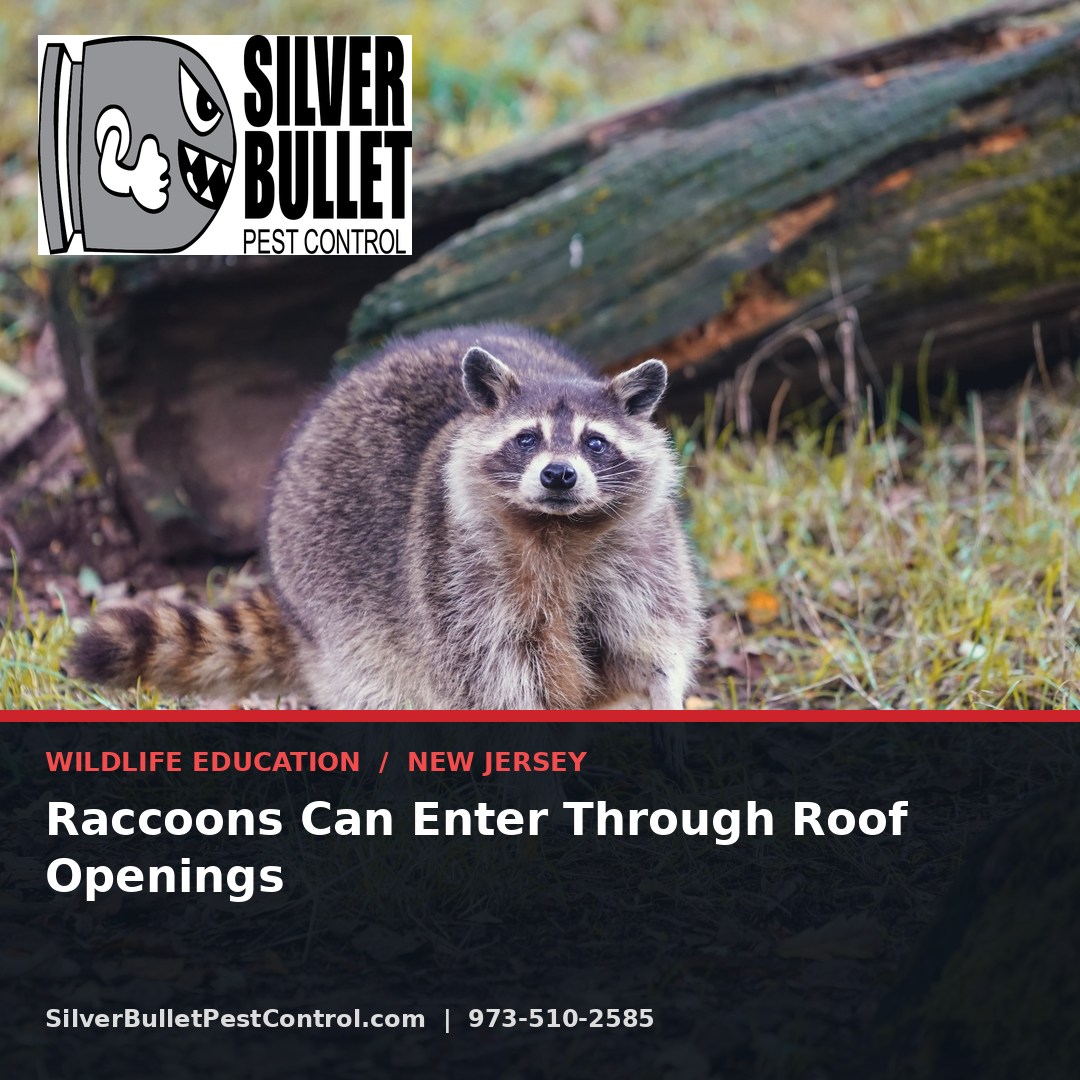
They climb downspouts, trees, corner trim, fences and porch roofs.
Can raccoons rip open roof vents?
Yes. Plastic roof vents are one of the most common entry points.
How can I tell a raccoon from a squirrel in the attic?
Raccoons are heavier and active at night; squirrels are lighter and active in the morning and evening.
Are raccoon droppings dangerous?
They can carry raccoon roundworm. Don't handle or sweep them without protection.
Will a raccoon leave the attic on its own?
Sometimes, but it usually comes back unless the entry is sealed with heavy-duty material.
What if there are baby raccoons?
The family must be removed together before sealing; never shut a mother out.
Do you relocate raccoons?
No. We use exclusion so they can't get back in.
Can I see the entry points you found?
Yes. We show you the openings, and photos when possible, so you know exactly what was sealed.
Will sealing my house trap animals inside?
Not when it's done right. We use one-way doors and check for babies first so nothing is sealed in.
Are squirrels and raccoons dangerous to have in the attic?
They chew wiring, tear insulation and leave droppings and urine. Raccoons can carry rabies and roundworm, so their droppings need careful cleanup.
Can squirrels chew electrical wires?
Yes. Squirrels gnaw constantly, and chewed wiring in an attic is a real fire risk, which is one reason to act quickly.
How much does it cost to get squirrels or raccoons out?
It depends on how many entry points there are, the roof height and whether repairs are needed. Estimates are free: call or text 973-510-2585.
Do you clean up the attic after wildlife?
We can advise on damaged insulation and droppings cleanup after the animals are out and the house is sealed.
How soon can you come?
Call 973-510-2585. We answer 24/7 and can send a tech at any hour for a raccoon inside the house.