Silver Bullet Pest Control logoSilver Bullet Pest Control
Wasps, Hornets, Yellow Jackets & Bees Β· Glen Ridge Β· Essex County

Bee, Wasp & Hornet Removal in Glen Ridge, NJ

Paper wasps under the porch ceiling, yellow jackets pouring out of a gap in the clapboard, or a gray hornet nest hanging in the maple out front? Silver Bullet Pest Control removes wasp, hornet and yellow jacket nests from Glen Ridge homes and small businesses, and helps you figure out what to do about bees without harming them.

4.9 stars on Google β€’ NJ License 90568B β€’ 15+ years β€’ Same-day visits often available β€’ Hablamos espaΓ±ol

Not sure what's buzzing? Text a photo of the insect or nest to 973-510-2585 and we'll tell you what it is.

  • βœ“ Same-day appointments often available
  • βœ“ Licensed & insured in NJ
  • βœ“ Homes & businesses
  • βœ“ English & EspaΓ±ol

Who removes wasp and hornet nests in Glen Ridge, NJ?

Silver Bullet Pest Control removes wasp, hornet and yellow jacket nests in Glen Ridge, including nests hidden inside walls, under porches and in the ground. A licensed technician identifies the insect, treats the nest in protective gear, takes down exposed nests once they're inactive, and checks the rest of the house for more. Same-day visits are often available in season. NJ License 90568B, 4.9 stars on Google. Call or text 973-510-2585.

Which stinging insect do you have?

Glen Ridge calls almost always turn out to be one of these three. Each one is handled a little differently:

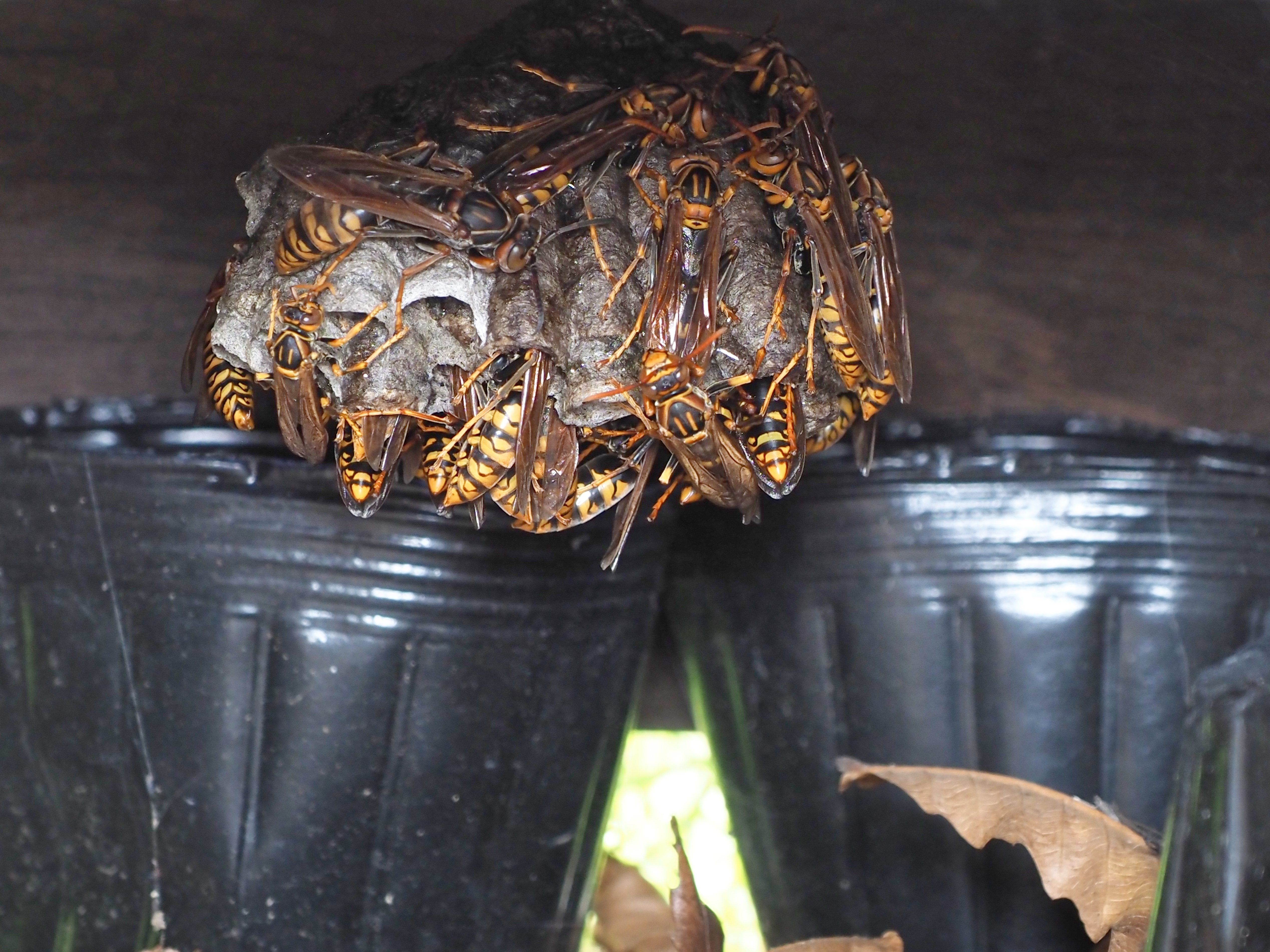
Paper wasps on an open paper comb nest
Most common on porches

Paper wasps

  • Slim body, long legs hanging down in flight
  • Open, upside-down umbrella comb
  • Under porch ceilings, eaves, shutters and railings

Paper wasps build small open nests in sheltered spots on the outside of the house. They aren't usually aggressive away from the nest, but a nest beside a front door, a mailbox or a porch swing gets bumped, and that's when people get stung.

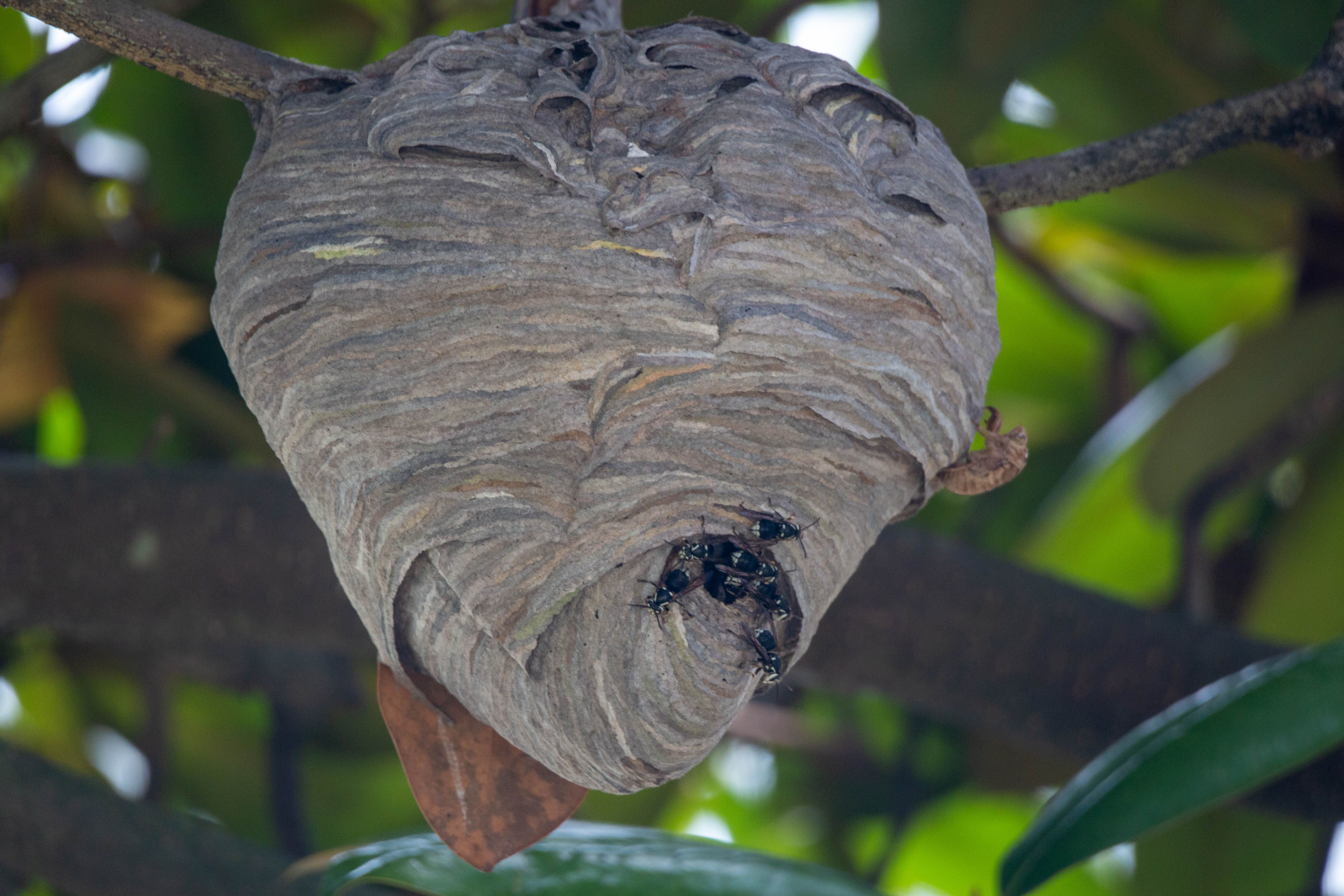
Gray paper hornet nest on a tree branch
Biggest nests

Bald-faced hornets

  • Black and white, larger than a yellow jacket
  • Football-sized gray paper nest
  • In trees, shrubs, under deep eaves

Bald-faced hornets hang their nests in trees and hedges, and Glen Ridge's big street trees and mature yards give them plenty of options. Nests often go unnoticed until fall, when the leaves drop and you see one the size of a basketball over the driveway.

Close-up of wasps on a paper nest
Most aggressive

Yellow jackets

  • Short, stocky, bright yellow and black
  • Steady traffic in and out of one small hole
  • In the ground, in walls, behind siding

Yellow jackets hide their nests in the ground, in old rodent holes, and in hollow spaces inside walls. You usually see a line of insects flying in and out of one gap rather than the nest itself. They defend the nest hard and can sting more than once.

Why Glen Ridge houses give wasps so many places to build

Glen Ridge is a small, leafy borough with a lot of older homes: Victorians, Tudors, colonials and foursquares, many with wide front porches, deep eaves, wood trim, shutters and decorative brackets. That character is a big part of why people love living here, and it's also why stinging insects find so many sheltered corners.

  • Porch ceilings and beadboard: the classic paper wasp spot. Look up when you come home; nests start the size of a walnut.
  • Eaves, cornices and gable vents: gaps in old trim let yellow jackets into the space behind the siding or into the attic.
  • Shutters and window boxes: wasps tuck nests behind shutters that haven't been opened in years.
  • Stone and brick walls and old steps: yellow jackets use cracks and hollows at ground level.
  • Mature trees and hedges: bald-faced hornets favor the big street trees and shrubs that line Glen Ridge's blocks.
  • Detached garages and sheds: rafters and window frames in older garages are easy nesting sites.

The low ground along Toney's Brook and the parks also has soft soil and old burrows that yellow jackets move into in summer. If you see a stream of insects at a single hole in the lawn, mark it from a distance and keep the mower away.

Buzzing inside a wall or ceiling

A yellow jacket nest inside a wall is the job most worth calling a pro for. The nest can be much bigger than the small opening you see from outside, and the insects can chew through drywall or plaster and come out inside a bedroom, closet or light fixture.

Don't seal the hole. Caulking or taping the entrance shut traps the colony inside the wall, and the insects look for another way out β€” often into the house. Leave it open, keep people away from that side of the house, and call or text 973-510-2585.

Signs a nest is inside the house structure:

  • Steady traffic at a gap in siding, trim, a vent, or where a pipe or wire enters.
  • A papery rustling or buzzing sound in the wall on warm afternoons.
  • A warm or soft spot in a plaster or drywall ceiling.
  • Wasps showing up indoors, especially near windows, light fixtures or an attic hatch.

We treat the void through the entrance the insects are using, then come back or advise you when it's safe to seal the gap so a new queen doesn't use it next spring. For sealing gaps, see entry point sealing.

How we remove a wasp or hornet nest

1

Find every nest

We confirm the insect and walk the property β€” porches, eaves, garage, trees, lawn and walls. There is often more than one nest.

2

Treat it safely

A licensed technician in protective gear treats the nest at the entrance, including nests in walls, soil or high eaves.

3

Take down what we can reach

Exposed paper nests under porches and eaves are removed once the activity stops, so they don't attract attention or leave a mess.

4

Advise on prevention

We point out gaps and favorite nesting spots so you know what to check next spring and what to seal once the nest is dead.

Most people notice activity drop sharply within a day. Insects returning from foraging may hang around the old spot for a short while β€” that's normal.

Bees are a different story

Not everything that stings is a pest. Honey bees and bumble bees are important pollinators, and Glen Ridge gardens attract a lot of them. Before anything is treated, we identify what you have:

  • Honey bee swarm hanging in a cluster on a branch: usually temporary while the swarm looks for a new home. Keep your distance and call us before anyone sprays it β€” we work with a local beekeeper to relocate them.
  • Honey bees living inside a wall: a bigger issue, because the comb and honey stay behind. Call us β€” we work with a local beekeeper to relocate them rather than kill them.
  • Bumble bees nesting in the ground or an old bird box: often left alone if they're out of the way.
  • Carpenter bees drilling round holes in porch rails, fascia and pergolas: they can damage untreated or weathered wood over time, and we can help with that.

Text us a photo first. It only takes a minute, and it tells us right away whether it's a wasp problem or a bee situation.

Stinging insects through the year in Glen Ridge

🌱

April – May

Queens wake up and start small nests alone. A nest the size of a golf ball under the porch is the easiest and cheapest one you'll ever deal with.

β˜€οΈ

June – July

Workers hatch and nests grow quickly. Paper wasps spread across porches; yellow jackets fill wall voids and ground holes.

πŸ‚

August – October

Yellow jacket and hornet colonies hit their peak. They crash backyard dinners, trash cans and soda cans and are the most defensive now.

❄️

November – March

Colonies die off and old nests aren't reused. It's a good time to repair trim and seal the gaps they used.

What affects the price of stinging insect removal

Every quote is free. These are the things that make the job smaller or bigger:

FactorSimpler jobMore involved job
Number of nestsOne nestSeveral nests around the property
HeightPorch ceiling or low eaveThird-floor gable, high cornice, tall tree
LocationHanging in the openInside a wall, ceiling, attic or the ground
InsectPaper waspsYellow jackets in a wall or a large hornet nest
Time of yearEarly season, small nestLate summer, large active colony

Call or text 973-510-2585 with a photo and where the nest is, and we'll tell you what to expect.

Common mistakes that lead to stings

🧯

Spraying up close

Store sprays only reach the outside of the nest. Standing under it on a ladder is how most bad stinging incidents happen.

πŸ”₯

Fire or gasoline

Never. It's dangerous for you and the house, and it rarely kills the colony.

πŸ’§

Hosing it down

Water just scatters angry insects, and they rebuild nearby.

πŸšͺ

Sealing the entrance

Traps yellow jackets in the wall and pushes them toward the inside of the house.

If anyone in the house is allergic to stings, don't take chances β€” have the nest handled by a professional. Trouble breathing or swelling of the face or throat after a sting is an emergency: call 911.

Get a Free Stinging Insect Quote in Glen Ridge

Tell us what you see, where the nest is, and send a photo if you can do it safely. We'll identify the insect and give you a free quote.

Why Glen Ridge calls us

  • Wasps nesting in the porch ceiling
  • Yellow jackets coming out of the siding
  • A hornet nest in a front-yard tree
  • Buzzing inside a wall or ceiling
  • Someone in the house is allergic
πŸ“ž Call 973-510-2585

Request Service

πŸ”’ Your info stays private Β· Hablamos espaΓ±ol.

What's bugging you? - Step 1 of 3

Stinging Insect Questions from Glen Ridge

How fast can you come out for a wasp nest in Glen Ridge?

Same-day visits are often available during the season, especially for nests near doors or where someone is allergic. Call or text 973-510-2585 to check today's schedule.

Is it a wasp, hornet or yellow jacket?

Paper wasps are slim with dangling legs and open combs; yellow jackets are stocky and nest in hidden holes; bald-faced hornets are black and white with large gray paper nests. Text us a photo and we'll tell you.

Can I just spray the nest myself?

Small, early paper wasp nests are sometimes handled by homeowners, but nests in walls, the ground or high eaves are where people get hurt. Store sprays don't reach the inside of those nests.

Should I plug the hole yellow jackets are using?

No. Sealing it can force them into the house through the inside wall. Leave it open until the nest has been treated.

Do you remove the nest after treating it?

Yes, exposed nests we can reach are taken down once they're inactive. Nests inside walls are usually left in place because they dry out and aren't reused.

Will the wasps come back next year?

Old nests aren't reused, but new queens look for the same kind of sheltered spots. Sealing gaps and checking the porch in spring keeps it from becoming a yearly problem.

Do you kill honey bees?

No. We identify the insect first, and for honey bees we work with a local beekeeper to relocate them instead of killing them.

What about carpenter bees in my porch rail?

Carpenter bees drill round holes in weathered wood. We can treat the holes and explain how painting or sealing the wood helps keep them away.

Are you licensed in New Jersey?

Yes. Silver Bullet is licensed under NJ License 90568B, with over 15 years of experience, based in Garfield and serving Essex County.

ΒΏHablan espaΓ±ol?

SΓ­. Hablamos espaΓ±ol. Llame o mande un texto con una foto del nido al 973-510-2585.

Wasp and stinging insect control near Glen Ridge

We serve Glen Ridge and the surrounding Essex County towns from our base in Garfield.

Updated November 2026 by the Silver Bullet Pest Control team, Garfield, NJ β€’ NJ License 90568B

Scroll to Top