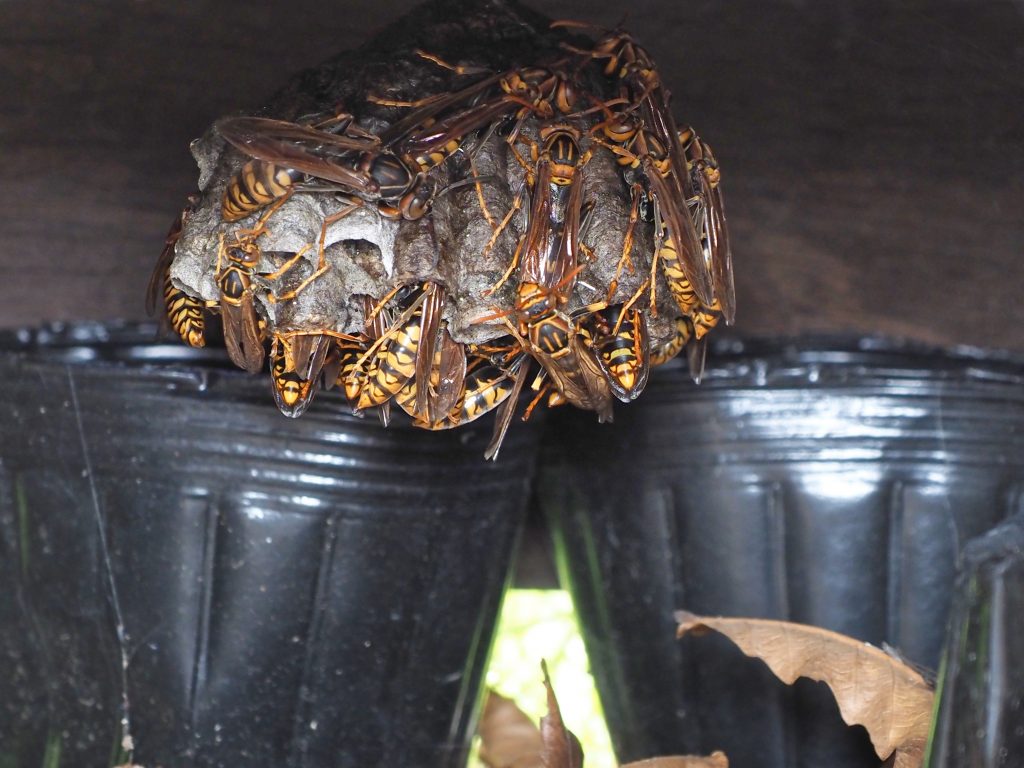
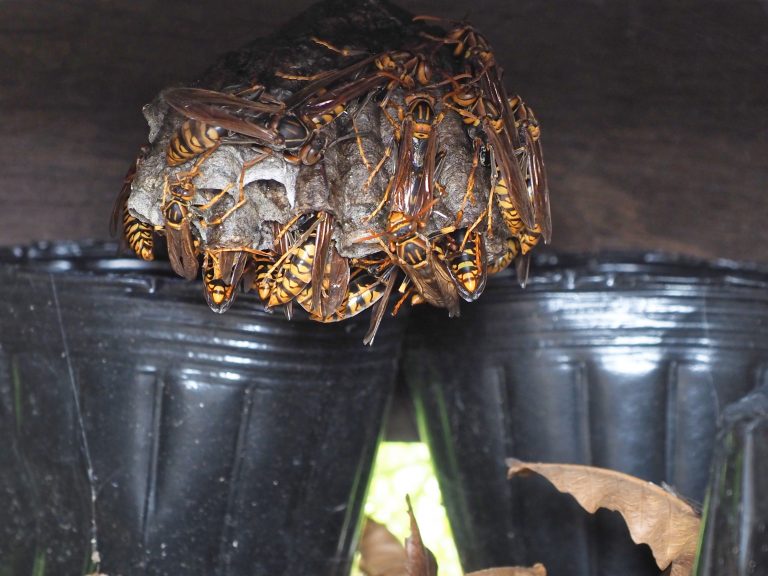
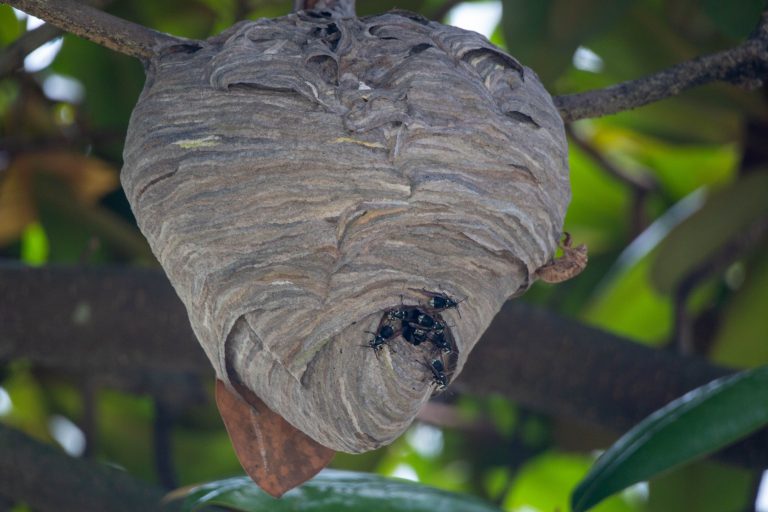
| Looks like | Small, fuzzy, often dark; many look like little honey bees | Shiny, bright yellow and black, no fuzz | Very large wasp, black or rust with pale yellow bands | Big, round, fuzzy, black and yellow |
|---|
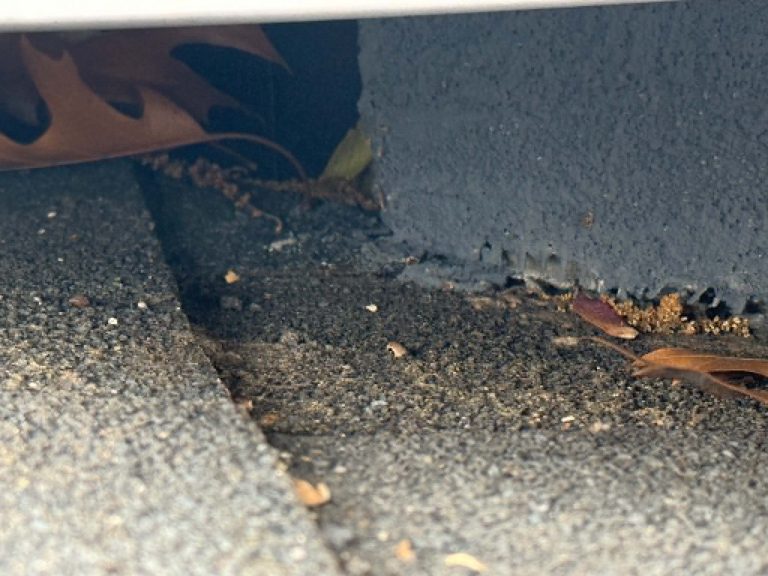
| The hole | Many small holes, each with a little soil mound, in thin or bare grass | One busy hole with a steady stream of insects going in and out | Single holes with a spray of loose soil, often near walks and patios | Usually one entrance, often an old rodent hole or under a shed or deck |
|---|
| When | Early spring, gone within weeks | Late spring through first frost; worst in August and September | Mid to late summer | Spring through summer |
|---|
| Sting risk | Very low; they rarely sting | High; they defend the nest and sting repeatedly | Low; males buzz people but can't sting | Low unless the nest is disturbed |
|---|
| Usual answer | Often no treatment needed | Treat the nest | Usually tolerate; treat if they're by a busy walkway | Leave alone if possible; treat only if it's a real safety issue |
|---|