
 Silver Bullet Pest Control
How Do Those Big Roaches Get in My House? Entry Points and How to Stop Them
A two-inch roach on the bathroom floor at midnight, a shiny black one by the basement drain? Those big roaches almost never come from a dirty kitchen. They come up from drains, sewers and damp spaces under and around the house. Here's how they get in, why they show up when they do, and how to close the doors they use.
4.9 stars on Google • NJ License 90568B • 15+ years • Based in Garfield • Hablamos español
Not sure which roach it is? Text a photo to 973-510-2585 and we'll tell you where it probably came from.
- ✓ Same-day appointments often available
- ✓ Licensed & insured in NJ
- ✓ Homes & businesses
- ✓ English & Español
How do big roaches get in my house?
Big roaches get in your house mostly from below and outside: up through floor drains and sewer connections, through dry drain traps in unused sinks and tubs, and through gaps under doors, around pipes and in basement walls. In North Jersey these are usually American or Oriental cockroaches, which live in sewers, drains, crawl spaces and damp soil, and wander inside looking for water or when the weather changes. Seeing one doesn't mean your home is dirty; it means there's an opening.
Which big roach is in your house?
Two large roaches cause almost all of these calls in North Jersey, and the third card is the one to worry about more:
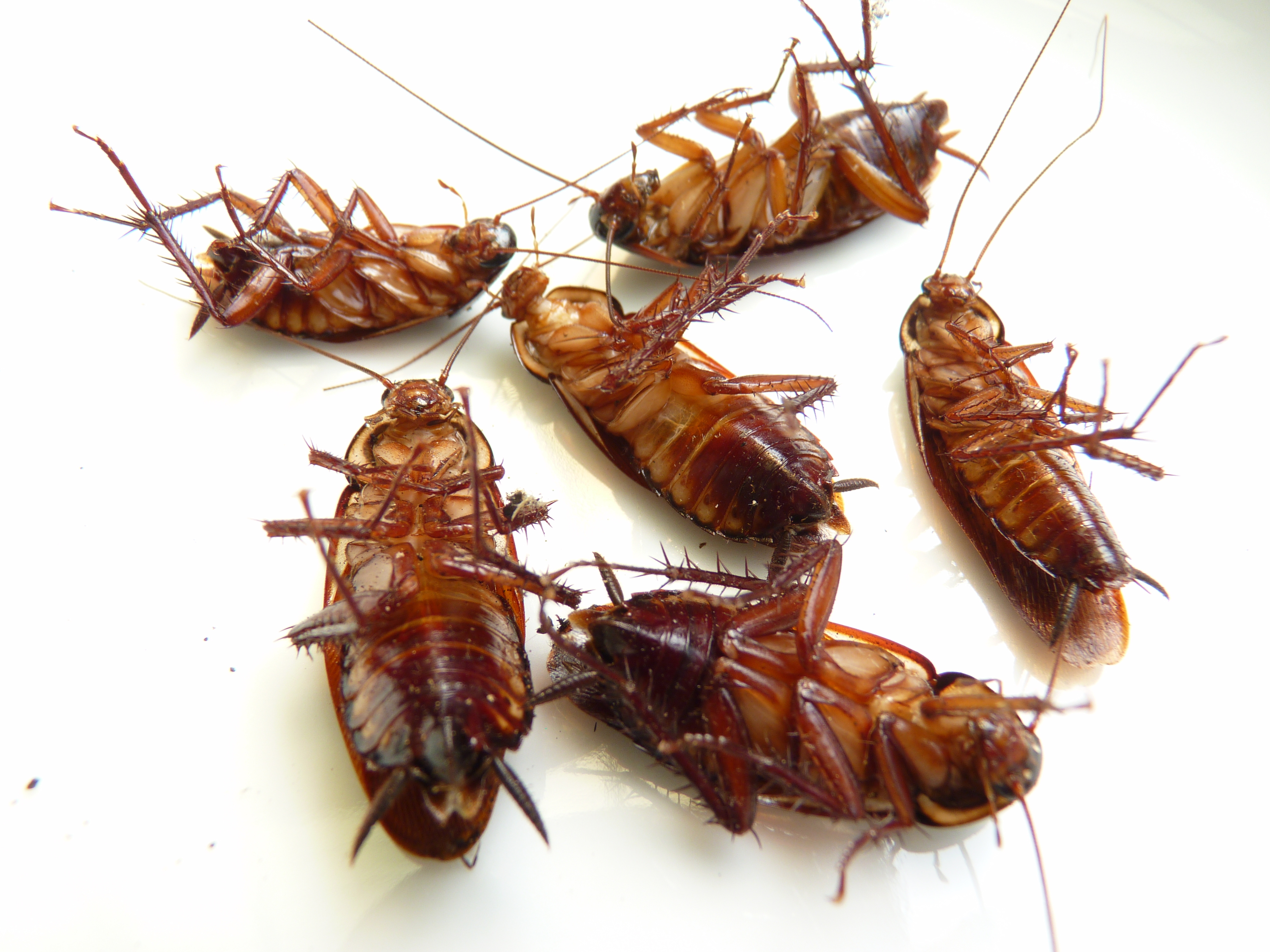
American cockroach
- About 1.5 to 2 inches long
- Reddish-brown with a lighter band behind the head
- Fast runners; can glide short distances in warm weather
American cockroaches live in sewers, storm drains, steam tunnels and basements. They're the roaches people call palmetto bugs or waterbugs, and they often appear in bathrooms and basements after coming up through drain lines.
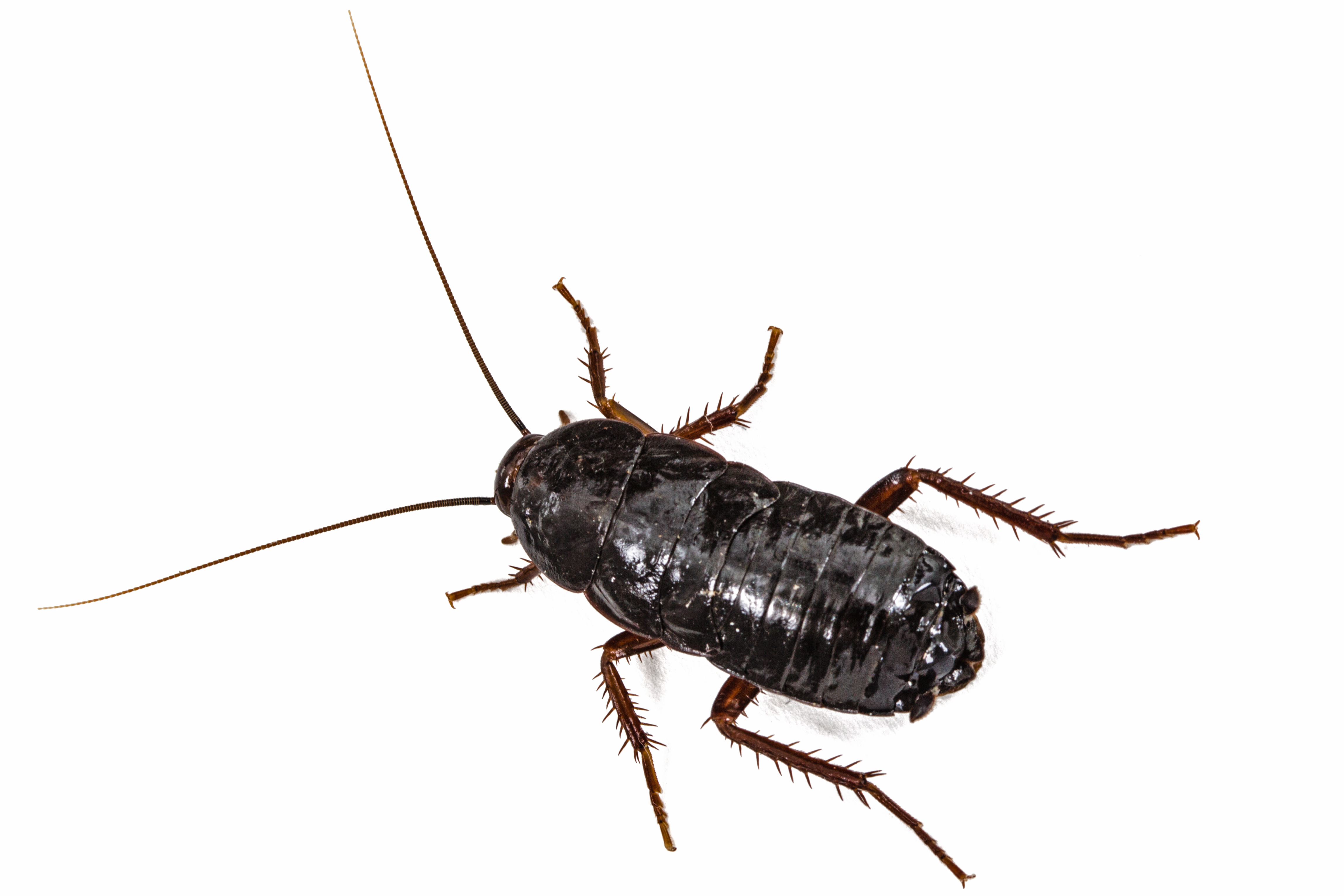
Oriental cockroach
- About 1 inch long
- Shiny black or very dark brown
- Slow; females have tiny wing stubs, males have short wings
Oriental cockroaches love cool, damp places: floor drains, crawl spaces, under mulch and leaf piles, and around leaky basement pipes. They have trouble climbing smooth surfaces, so they're usually found on floors, in tubs and in basements.
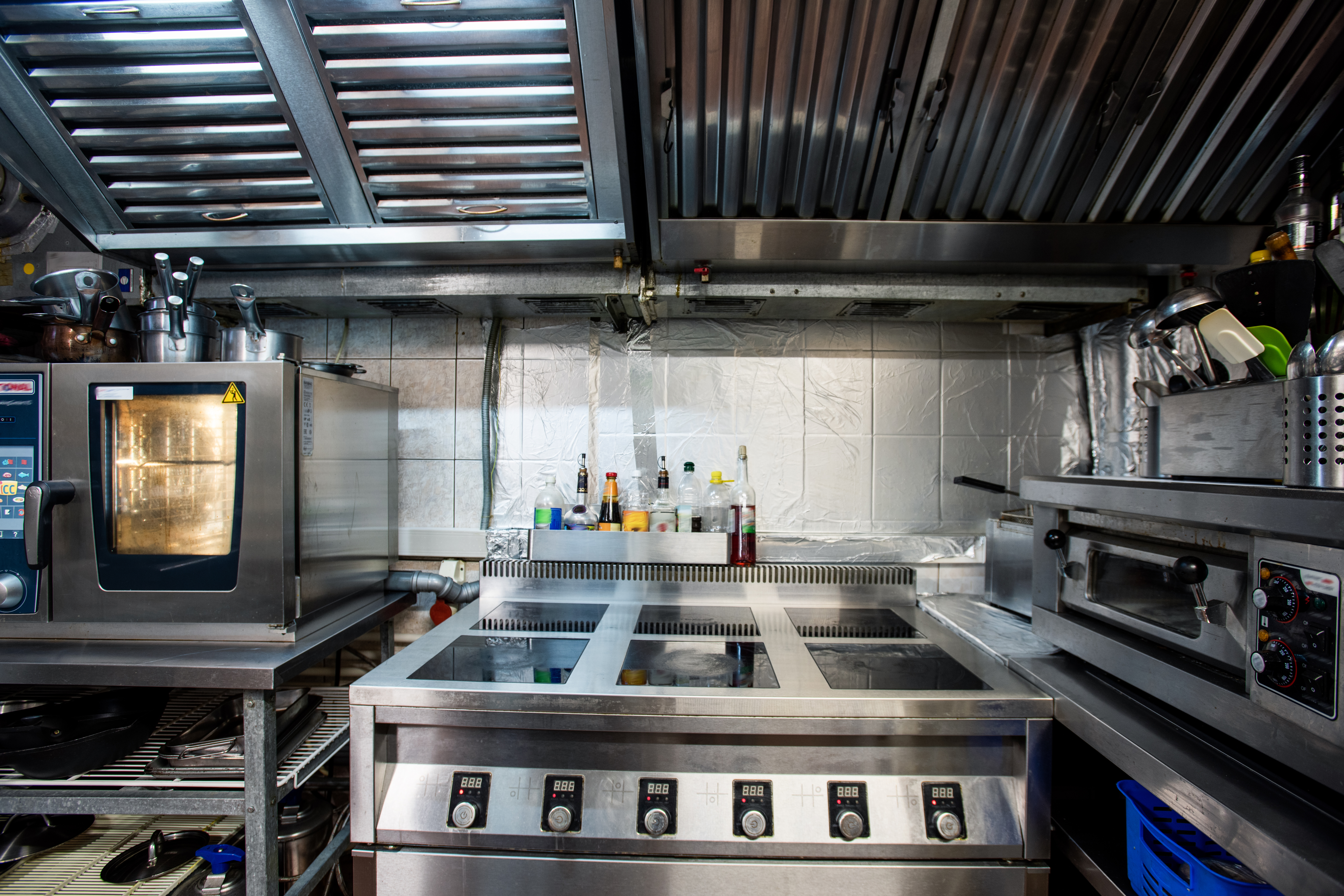
German cockroach
- Small, about half an inch
- Tan with two dark stripes behind the head
- Seen in kitchens and bathrooms, often in daylight if numbers are high
If the roaches are small and in the kitchen, it's a different story. German roaches breed indoors, usually arrive in boxes, bags or used appliances, and multiply fast. They need a treatment inside the home, not just sealing.
How big roaches get into a house
Large roaches aren't usually living in your kitchen cabinets. They live outside the house or below it, in sewer lines, storm drains, crawl spaces, damp soil, mulch and leaf litter, and they come in through openings that connect those places to your rooms.
The most common ways in:
- Floor drains. Basement and laundry-room floor drains connect directly to the sewer system. If the drain trap is dry or the cover is loose, roaches walk right up.
- Dry drain traps. Every sink, tub and shower has a trap that holds water and blocks the sewer line. In a guest bathroom or basement sink that's rarely used, the water evaporates and the barrier disappears.
- Cracked or open sewer connections. Old cast-iron pipes, cleanouts with missing caps and gaps where pipes go through the foundation all give roaches a path.
- Gaps under doors. Exterior doors, basement doors and garage doors without a tight sweep let roaches in from the yard, especially at night.
- Utility openings. Spaces around water lines, gas lines, AC lines, dryer vents and cables where they pass through walls.
- Foundation cracks and basement windows. Gaps around old basement windows and cracks in the wall or slab.
Many older North Jersey homes and apartment buildings have original plumbing, block or stone foundations, and basements that stay damp, which is exactly the setup these roaches prefer.
Where you saw it, and where it likely came from
| Where you found it | Likely way in | What to check |
|---|---|---|
| Basement floor, near a drain | Floor drain from the sewer line | Drain cover, water in the trap, cleanout caps |
| In the bathtub or shower | Tub or shower drain, or gaps around pipes behind the wall | Run water; seal gaps around pipes under the sink and behind access panels |
| Guest bathroom or unused sink | Dry P-trap | Run water in every drain regularly |
| By an exterior door at night | Gap under the door | Door sweep and threshold |
| Laundry room | Floor drain, washer standpipe, dryer vent | Drain cover, gaps around the standpipe and vent |
| Kitchen, near the sink | Gaps around plumbing under the sink | Seal around pipes where they enter the wall or floor |
| Upper floor of an apartment building | Pipe chases and wall voids from other units | Seal around pipes; talk to the building owner |
Is it actually a waterbug? Many people use the word for any big roach. Read waterbug vs. cockroach for the difference.
Why you're suddenly seeing big roaches
After heavy rain
Rain floods sewers, storm drains and outdoor hiding spots, pushing roaches up and out, often into basements and bathrooms.
During hot spells
Summer heat drives American roaches up from warm sewer lines, and they're most active on hot, humid nights.
When it turns cold
Oriental roaches and others move toward warmer, damp spaces like basements and crawl spaces in fall.
After plumbing work
Opening up drain lines, replacing fixtures or leaving a cleanout uncapped can open a direct path from the sewer.
One big roach after a storm isn't unusual. Several a week, or roaches in more than one room, means they've found a reliable way in, or are living in a damp spot inside.
Big roaches in apartments and multi-family homes
In two-family houses and apartment buildings, roaches have more ways to travel. Shared sewer lines, pipe chases that run floor to floor, trash rooms, and basements shared by every unit all connect your apartment to the rest of the building.
- Tenants: keep drains covered, run water in unused drains, and seal gaps around pipes under sinks with caulk or escutcheon plates. Report repeated sightings to your landlord in writing.
- Owners and landlords: big roaches in several units usually point to the basement, sewer cleanouts, floor drains or the trash area. Treating one apartment rarely solves it; the building's common areas need attention too.
Rules about who handles pest control in rentals depend on the building and can change, so check with your town's code enforcement office or the NJ Department of Community Affairs if you're unsure. For buildings, see apartment building pest control.
How to keep big roaches out of your house
Keep every drain trap full
Run water for a few seconds in unused sinks, tubs, showers and floor drains every week or two so the trap stays sealed.
Cover floor drains
Use a fitted drain cover or screen, and make sure sewer cleanout caps are on tight.
Seal pipe openings
Caulk or patch gaps around pipes under sinks, behind toilets and where lines pass through basement walls.
Add door sweeps
Install tight sweeps on exterior, basement and garage doors so roaches can't walk in from the yard at night.
Dry things out
Fix leaks, run a dehumidifier in damp basements and keep gutters and downspouts draining away from the house.
Clean up the outside
Pull mulch, leaf piles and firewood back from the foundation, and keep trash cans closed and away from doors.
Sprays and foggers won't stop roaches that keep coming in from the sewer. Closing the openings is what makes the difference. For home-remedy questions, see does boric acid work on roaches.
Big roaches or small roaches? Why it changes the plan
| Big roaches (American, Oriental) | Small roaches (German) | |
|---|---|---|
| Where they live | Sewers, drains, crawl spaces, damp soil outdoors | Inside the home: kitchens, bathrooms, appliances |
| How they get in | Drains, sewer lines, door gaps, utility openings | Carried in on boxes, bags, furniture and used appliances |
| How many you see | Usually one or a few at a time | Often many, and more over time |
| Main fix | Seal entry points, fix moisture, treat where they enter and harbor | Targeted indoor treatment where they breed, plus follow-up |
| How urgent | Worth handling soon | Handle right away; they multiply quickly indoors |
Not sure which you have? Text a photo to 973-510-2585. If they're German roaches, see cockroach control.
How we get rid of big roaches for good
When sealing and drain care aren't enough, or you're seeing roaches every week, a professional treatment goes after where they're living and how they're getting in.
- Inspection. We identify the roach and trace the likely path: floor drains, cleanouts, pipe openings, door gaps, damp basement corners and the outside of the foundation.
- Targeted treatment. Our method is gel bait plus an insect growth regulator (IGR), placed where roaches travel and hide, along with treatment at entry points and harborage areas where it makes sense.
- Sealing advice and exclusion. We point out the openings and moisture problems that keep drawing roaches in and explain how to close them.
- Follow-up visit. We come back to check results and treat again where needed.
Roach treatment carries a 90-day warranty, and recurring service comes with a 100% satisfaction guarantee. Same-day appointments are often available; for urgent situations see emergency cockroach service.
Roaches coming up from a drain in a restaurant or food business? Call or text 973-510-2585. See commercial pest control.
Get a Free Quote for Big Roaches
Tell us where you're seeing them and how often, and send a photo if you can. We'll tell you which roach it is and how it's getting in.
Why people call us about big roaches
- A big roach in the bathtub or shower
- Roaches coming up the basement floor drain
- Shiny black roaches in a damp basement
- Big roaches in several apartments in one building
- A restaurant or shop with roaches near drains
Request Service
🔒 Your info stays private · Hablamos español.
Big Roach Questions
Why do I have big roaches if my house is clean?
Because big roaches like American and Oriental cockroaches don't come for crumbs; they come from sewers, drains and damp soil outside. A clean home can still have dry drain traps, gaps under doors or openings around pipes. Seeing one means there's a way in, not that your home is dirty.
Can roaches come up through the drain?
Yes. American and Oriental cockroaches live in sewer and drain lines and can crawl up through floor drains and through sinks, tubs and showers if the water in the drain trap has dried out. Keeping traps full and covering floor drains blocks this route.
Are big roaches the same as waterbugs?
Usually, yes, in everyday use. Most people who say waterbug mean an American or Oriental cockroach found near water. True water bugs are a different insect that lives in ponds and rarely comes indoors. If it's in your basement or bathroom, it's almost certainly a roach.
Does one big roach mean an infestation?
Not necessarily. One large roach after heavy rain or a hot spell can be a wanderer from outside or the sewer. Seeing several a week, finding them in more than one room, or seeing small young ones means they're getting in regularly or living somewhere damp inside, and it's time for treatment.
Why do big roaches come out at night?
Cockroaches are nocturnal. They hide in dark, damp places during the day and come out at night to look for water and food. That's why most people see big roaches in the bathroom or kitchen when they turn on the light late at night.
Can big roaches fly?
American cockroaches have full wings and can glide or fly short distances, mostly in hot weather. Oriental cockroaches can't fly: females have tiny wing stubs and males have short wings. Most of the time, both get around by running.
How do I stop roaches from coming up the bathtub drain?
Run water regularly to keep the trap full, use a drain stopper or cover at night if you see them often, and seal gaps around the pipes behind the access panel or under the sink. If they keep appearing, the drain line or the pipe openings in the wall may need a professional look.
Will bug spray keep big roaches out?
Not for long. Spray kills the roach you hit but doesn't stop new ones coming in from the sewer or yard, and it can push roaches into walls. Closing entry points, fixing moisture and a targeted professional treatment work far better.
Are big roaches dangerous?
They don't bite people in normal situations, but roaches that travel through sewers can carry bacteria onto surfaces, and roach droppings and shed skins can trigger allergies and asthma in some people. It's worth keeping them out, especially in kitchens and food areas.
How do you get rid of big roaches?
We inspect to find where they're coming from, treat with gel bait plus an insect growth regulator where they travel and hide, address entry points and moisture, and come back for a follow-up visit. Roach treatment carries a 90-day warranty.
¿Cómo entran las cucarachas grandes a la casa?
Normalmente suben por los desagües, el alcantarillado y por espacios debajo de las puertas o alrededor de los tubos. Llame o mande texto al 973-510-2585 y le ayudamos.
Cockroach control near you
Roach pages for some of the North Jersey towns we serve from Garfield:
Our service area
Bergen County
973-510-2585- Allendale
- Bergenfield
- Bogota
- Carlstadt
- Cliffside Park
- Closter
- Cresskill
- Demarest
- Dumont
- East Rutherford
- Edgewater
- Elmwood Park
- Emerson
- Englewood
- Englewood Cliffs
- Fair Lawn
- Fairview
- Fort Lee
- Franklin Lakes
- Garfield
- Glen Rock
- Hackensack
- Harrington Park
- Hasbrouck Heights
- Haworth
- Hillsdale
- Ho-Ho-Kus
- Leonia
- Little Ferry
- Lodi
- Lyndhurst
- Mahwah
- Maywood
- Midland Park
- Montvale
- Moonachie
- New Milford
- North Arlington
- Northvale
- Norwood
- Oakland
- Old Tappan
- Oradell
- Palisades Park
- Paramus
- Park Ridge
- Ramsey
- Ridgefield
- Ridgefield Park
- Ridgewood
- River Edge
- River Vale
- Rochelle Park
- Rutherford
- Saddle Brook
- Saddle River
- South Hackensack
- Teaneck
- Tenafly
- Teterboro
- Upper Saddle River
- Waldwick
- Wallington
- Washington Township
- Westwood
- Woodcliff Lake
- Wood-Ridge
- Wyckoff
Passaic County
973-510-2585- Bloomingdale
- Clifton
- Haledon
- Hawthorne
- Little Falls
- North Haledon
- Passaic
- Paterson
- Pompton Lakes
- Prospect Park
- Ringwood
- Totowa
- Wanaque
- Wayne
- West Milford
- Woodland Park
Essex County
973-510-2585- Belleville
- Bloomfield
- Caldwell
- Cedar Grove
- East Orange
- Essex Fells
- Fairfield
- Glen Ridge
- Irvington
- Livingston
- Maplewood
- Millburn
- Montclair
- Newark
- North Caldwell
- Nutley
- Orange
- Roseland
- Short Hills
- South Orange
- Verona
- West Caldwell
- West Orange
Hudson County
973-510-2585Union County
973-510-2585- Berkeley Heights
- Clark
- Cranford
- Elizabeth
- Fanwood
- Garwood
- Hillside
- Kenilworth
- Linden
- Mountainside
- New Providence
- Plainfield
- Rahway
- Roselle
- Roselle Park
- Scotch Plains
- Springfield
- Summit
- Union
- Westfield
Morris County
973-510-2585- Boonton
- Butler
- Cedar Knolls
- Chatham
- Denville
- Dover
- East Hanover
- Florham Park
- Hanover
- Kinnelon
- Lincoln Park
- Madison
- Mendham
- Montville
- Morris Plains
- Morristown
- Mountain Lakes
- Parsippany
- Pequannock
- Randolph
- Riverdale
- Rockaway
- Roxbury
- Whippany
Updated November 2026 by the Silver Bullet Pest Control team, Garfield, NJ • NJ License 90568B