
 Silver Bullet Pest Control
Tiny Red Bugs, Boxelder Bugs and Stink Bugs: Fall Invaders in NJ Homes
Tiny red bugs on the windowsill, black-and-red bugs all over the siding, ladybugs in the bedroom, stink bugs on the lamp? Every fall, a handful of outdoor insects try to move into New Jersey homes for the winter. This guide from Silver Bullet Pest Control helps you figure out which one you have, whether it's a problem, and how to keep them out.
Featured on Telemundo 47 • EPA Pesticide Safety Certified • 4.9 Stars on Google • NJ License 90568B
Text us a photo of the bug on the windowsill — we'll tell you what it is.
- ✓ Same-day appointments often available
- ✓ Licensed & insured in NJ
- ✓ Homes & businesses
- ✓ English & Español
What are the tiny red bugs on my windowsill in the fall?
Tiny bright-red bugs crawling on a sunny windowsill in New Jersey in fall or spring are almost always clover mites — harmless plant-feeding mites, smaller than a pinhead, that wander in from the lawn and leave a red smear if you crush them. They don't bite people or pets, don't damage the house and die quickly indoors. Other common fall invaders are boxelder bugs (black with red lines), brown marmorated stink bugs, multicolored Asian lady beetles and cluster flies. All of them come inside through small gaps to get away from the cold, so sealing the outside of the house before fall is the best fix. Need help? Call Silver Bullet Pest Control at 973-510-2585.
Why so many bugs come inside in the fall
In September and October, the nights in North Jersey get cold while the afternoons are still warm. Insects that spend the winter as adults go looking for a sheltered place to wait it out. In nature that's under tree bark or in rock piles. Next to a warm, sunny house full of cracks, it's your walls, attic and window frames.
These bugs are called overwintering pests or fall invaders. They gather on the south and west sides of buildings, where the sun warms the siding, then crawl into any gap they find. Some stay hidden in wall voids until spring. Others wander into living spaces when the heat comes on or on a warm winter day — which is why people often see them on windows, lamps and ceilings in January.
The good news: none of the common fall invaders breed inside your home, eat your food or damage wood. The bad news: they can show up in the hundreds, some smell, some stain, and they come back every year until the gaps are closed.
Where fall invaders gather and get in
Watch these three spots in late summer and fall:
South- and West-Facing Walls
- Bugs clustered on warm siding in the afternoon
- Groups around window and door frames
- Light-colored walls draw ladybugs most
Stink bugs, boxelder bugs and lady beetles all land on the warmest walls first. If you see them gathering, the gaps nearby are where they're heading.

Foundation Edges and Cracks
- Tiny red specks moving along the foundation
- Bugs entering at basement windows
- Cracks where siding meets the foundation
Clover mites come from the lawn and climb the foundation to windows. Grass growing right up to the house gives them a short trip inside.
Attics, Soffits and Wall Voids
- Dead or slow bugs on attic floors
- Bugs coming from light fixtures and fans
- Sluggish flies at upstairs windows
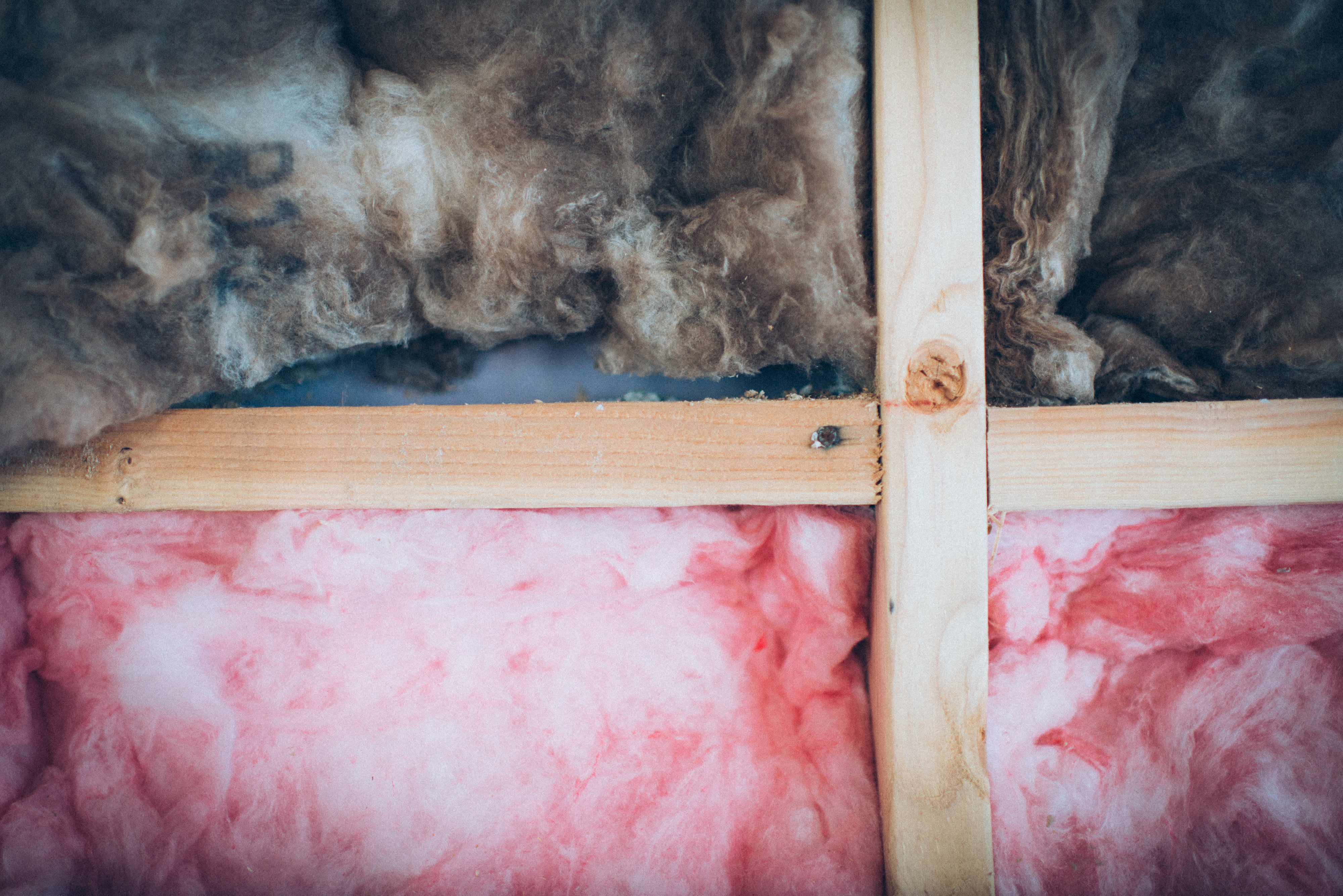
Cluster flies, stink bugs and lady beetles hide in attics and walls for the winter, then show up inside when the house warms up.
Fall invader ID table
Match what you're seeing — or text a photo to 973-510-2585.
| Bug | Size & look | When you see it | Harmful? | Watch out for |
|---|---|---|---|---|
| Clover mite | Smaller than a pinhead, bright red to reddish-brown, long front legs | Spring and fall, on sunny windowsills and walls | No — doesn't bite people or pets | Red smear when crushed |
| Boxelder bug | About 1/2 inch, black with red or orange lines; young ones are bright red | Fall on sunny walls; spring as they leave | No, harmless | Can stain light surfaces |
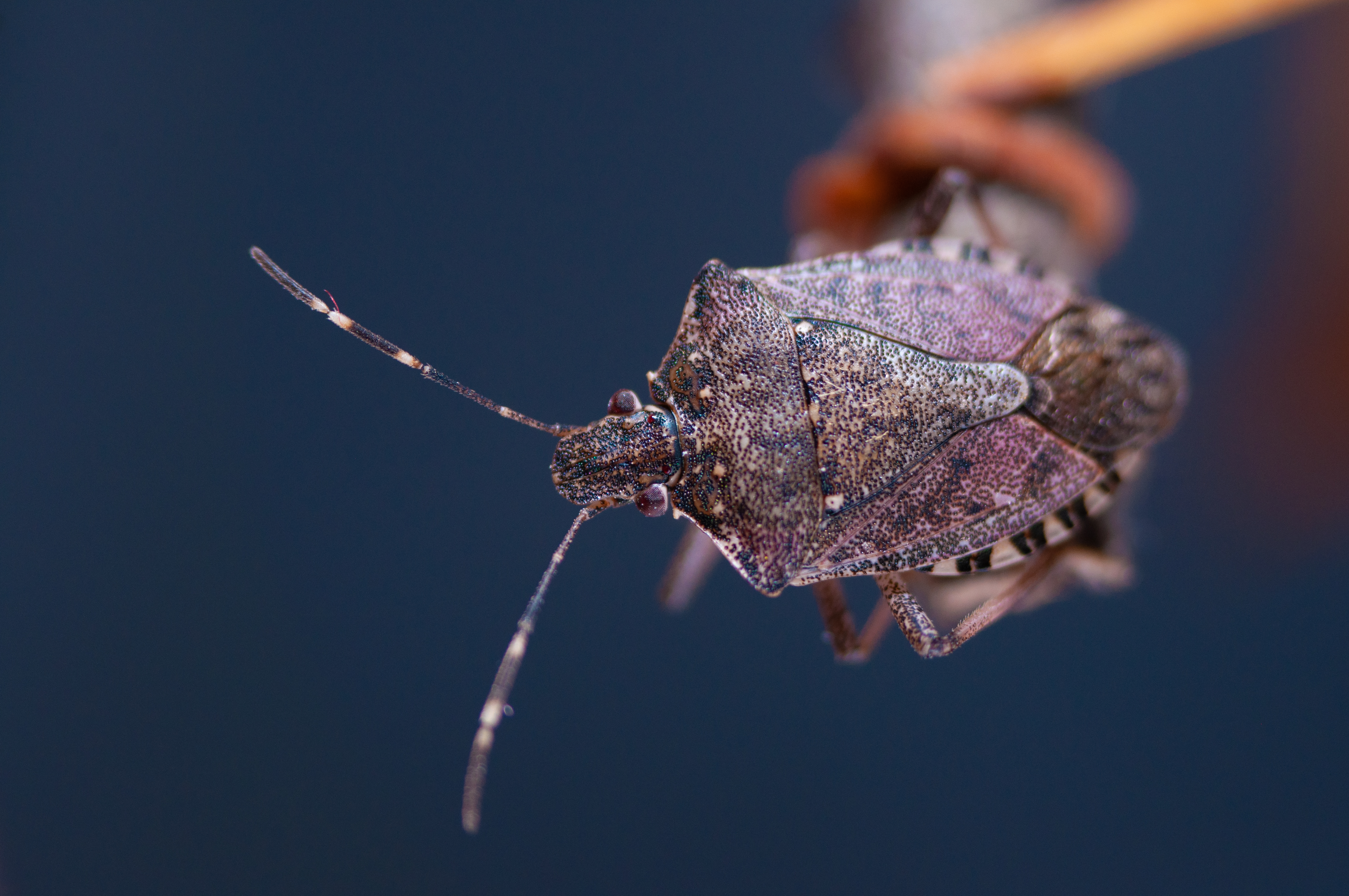
| Brown marmorated stink bug | A little over 1/2 inch, brown shield shape, banded antennae | Fall going in; winter and spring indoors | No bite or damage | Strong smell when crushed |
| Multicolored Asian lady beetle ("ladybug") | About 1/4 inch, orange to red with or without spots, black "M" mark behind the head | Fall swarms on light-colored walls; winter indoors | Can give a small pinch | Yellow fluid that smells and stains |
| Cluster fly | A bit bigger than a house fly, slow, golden hairs on the back | Late fall and warm winter days, at upstairs windows | No | Dead flies piling up in attics and sills |
If what you're seeing is fast, shiny and in the kitchen, it's probably not a fall invader — it could be ants or roaches. If it's a big, humpbacked cricket in the basement, see spider crickets.
Tiny red bugs on the windowsill: clover mites
Clover mites are the answer to one of the most common questions we get: "What are these tiny red bugs on my windows?" They're about the size of a period at the end of a sentence, bright red, and they move slowly across sills, walls and curtains — usually on the sunny side of the house.
- Where they come from: they feed on lawn grass, clover and other plants, and they're often worst in homes with thick, well-fertilized lawns right up to the foundation.
- When: mostly in spring and again in fall, on mild sunny days. They usually disappear when it gets hot.
- Harmless: they don't bite people or pets and don't infest food or furniture. They dry out and die inside within a short time.
- The catch: crushing them leaves a red stain on paint, curtains and carpet.
What to do: vacuum them up with a crevice tool or wipe them gently with a damp cloth instead of smashing them. Outside, a strip of bare soil, gravel or mulch about 18 to 24 inches wide between the lawn and the foundation makes it much harder for them to reach the walls. Sealing gaps around the windows on the sunny sides helps too.
Not a clover mite? Young boxelder bugs are also bright red, but they're bigger — closer to the size of a grain of rice — and shaped like a small bug, not a speck.
Meet the other fall invaders
Boxelder bugs
Black with red-orange lines, they feed on boxelder and some maple trees and mass on sunny walls in fall. Harmless, but their droppings can spot light curtains and siding. Homes near boxelder trees get the most.
Stink bugs
The brown marmorated stink bug squeezes behind siding and into attics in September and October. Don't crush them — vacuum or use soapy water. Full guide: stink bug control.
Asian lady beetles
The "ladybugs" that swarm houses in October are usually multicolored Asian lady beetles, not native ladybugs. They like light-colored walls, can pinch, and leave a smelly yellow stain when disturbed.
Cluster flies
Slow, big flies at upstairs windows on warm winter days. They spend summer outside — their young develop in earthworms in the soil — and hide in attics and walls for winter.
How to keep fall invaders out
Start in August
Do this before bugs start gathering in September. Once they're inside the walls, sealing only helps for next year.
Focus on sunny sides
Inspect the south and west walls first: window frames, door trim, siding joints, fascia and where siding meets the foundation.
Caulk and seal
Seal cracks and gaps with exterior caulk. Fill openings around pipes, wires, cable and AC lines.
Screens, vents and sweeps
Repair torn window screens, screen attic and soffit vents, and replace worn weatherstripping and door sweeps.
Make a bare strip
Pull grass and thick plants back from the foundation to slow clover mites, and trim branches touching the house.
Treat the outside
An exterior treatment on the landing spots in late summer or early fall stops many bugs before they find the gaps. Inside the walls, it's too late.
Already inside? What to do (and what not to)
- Vacuum, don't squash. Crushing stink bugs, lady beetles, boxelder bugs and clover mites releases smells or stains. Use a vacuum you keep for bugs, or put a knee-high stocking in the hose and toss it afterward.
- Close inside gaps. Seal around window trim, ceiling light fixtures and outlets on outside walls so fewer bugs wander from the walls into rooms.
- Skip the bug bomb. Foggers don't reach bugs inside wall voids, and they put insecticide on every surface in the room.
- Don't spray into walls. Dead fall invaders left in wall voids and attics can attract carpet beetles and other scavengers.
- Clean stains quickly. Blot lady beetle and boxelder stains with mild soap and water before they set.
Most of what's inside will try to leave in spring. To stop the cycle, seal and treat the outside before next fall. See why there are so many ladybugs and pests in October for more.
When to call a pest control company
A few bugs on the windowsill don't need a professional. Call when:
- You're seeing dozens or hundreds of bugs on the siding or inside every fall.
- Bugs are coming out of light fixtures, ceiling fans or the attic.
- The gaps are high up — soffits, rooflines, gable vents — and you don't want to be on a ladder.
- You're not sure what the bug is and want to rule out something that does damage, like termites or carpenter ants.
Silver Bullet Pest Control inspects the outside of the house, seals the gaps that matter, and times exterior treatment for late summer and early fall. We're licensed in New Jersey and based in Garfield. Call 973-510-2585 or text a photo to 973-510-2585.
Bugs Moving In? Get a Quote
Tell us what bug you're seeing, where, and how many. A photo helps us identify it fast.
Why homeowners call us in the fall
- Tiny red bugs on every windowsill
- Boxelder bugs or ladybugs covering the siding
- Stink bugs in the attic or coming out of lights
- Gaps too high to reach safely
- They want next fall to be different
Request Service
🔒 Your info stays private · Hablamos español.
Fall Invaders FAQ
What are the tiny red bugs on my windowsill?
Most likely clover mites — tiny, bright-red, harmless mites that come in from the lawn in spring and fall. Wipe or vacuum them instead of crushing them, which leaves a red stain.
Do clover mites bite?
No. Clover mites feed on plants and don't bite people or pets.
Why do I have a boxelder bug infestation?
Boxelder bugs feed on boxelder and some maple trees, and in fall they gather on warm walls and squeeze into gaps to spend the winter. Homes near those trees see the most.
Are boxelder bugs harmful?
No. They don't bite or damage the house, but their droppings can stain light-colored surfaces.
Why are there ladybugs in my house in fall?
They're usually multicolored Asian lady beetles looking for a place to spend the winter. They gather on sunny, light-colored walls in October and slip in through gaps.
Are stink bugs a problem in NJ?
Yes, the brown marmorated stink bug is one of the most common fall invaders in New Jersey. They're harmless to people but can come in by the hundreds and smell when crushed.
Why do I see bugs on my windowsill in the fall and winter?
Insects hiding in your walls and attic for the winter head toward light and warmth on sunny days or when the heat comes on, so they end up on windows.
Do fall invaders lay eggs in my house?
No, the common ones don't breed indoors over the winter. They wait for spring and go back outside.
When is the best time to keep fall invaders out?
Late summer, before they start gathering in September. That's when sealing gaps and exterior treatment work best.
Should I spray inside my walls for fall bugs?
No. Spray doesn't reach most of them, and dead bugs in wall voids can attract other pests. Vacuum the ones you see and seal the outside.
¿Qué son los bichitos rojos en mi ventana?
Casi siempre son ácaros del trébol. Son inofensivos; límpielos con un paño húmedo o la aspiradora, sin aplastarlos. Para ayuda, llame o mande texto al 973-510-2585.
Fall pest help near you
Based in Garfield, we help homeowners in these towns and across Bergen, Passaic and Essex counties.
Our service area
Bergen County
973-510-2585- Allendale
- Bergenfield
- Bogota
- Carlstadt
- Cliffside Park
- Closter
- Cresskill
- Demarest
- Dumont
- East Rutherford
- Edgewater
- Elmwood Park
- Emerson
- Englewood
- Englewood Cliffs
- Fair Lawn
- Fairview
- Fort Lee
- Franklin Lakes
- Garfield
- Glen Rock
- Hackensack
- Harrington Park
- Hasbrouck Heights
- Haworth
- Hillsdale
- Ho-Ho-Kus
- Leonia
- Little Ferry
- Lodi
- Lyndhurst
- Mahwah
- Maywood
- Midland Park
- Montvale
- Moonachie
- New Milford
- North Arlington
- Northvale
- Norwood
- Oakland
- Old Tappan
- Oradell
- Palisades Park
- Paramus
- Park Ridge
- Ramsey
- Ridgefield
- Ridgefield Park
- Ridgewood
- River Edge
- River Vale
- Rochelle Park
- Rutherford
- Saddle Brook
- Saddle River
- South Hackensack
- Teaneck
- Tenafly
- Teterboro
- Upper Saddle River
- Waldwick
- Wallington
- Washington Township
- Westwood
- Woodcliff Lake
- Wood-Ridge
- Wyckoff
Passaic County
973-510-2585- Bloomingdale
- Clifton
- Haledon
- Hawthorne
- Little Falls
- North Haledon
- Passaic
- Paterson
- Pompton Lakes
- Prospect Park
- Ringwood
- Totowa
- Wanaque
- Wayne
- West Milford
- Woodland Park
Essex County
973-510-2585- Belleville
- Bloomfield
- Caldwell
- Cedar Grove
- East Orange
- Essex Fells
- Fairfield
- Glen Ridge
- Irvington
- Livingston
- Maplewood
- Millburn
- Montclair
- Newark
- North Caldwell
- Nutley
- Orange
- Roseland
- Short Hills
- South Orange
- Verona
- West Caldwell
- West Orange
Hudson County
973-510-2585Union County
973-510-2585- Berkeley Heights
- Clark
- Cranford
- Elizabeth
- Fanwood
- Garwood
- Hillside
- Kenilworth
- Linden
- Mountainside
- New Providence
- Plainfield
- Rahway
- Roselle
- Roselle Park
- Scotch Plains
- Springfield
- Summit
- Union
- Westfield
Morris County
973-510-2585- Boonton
- Butler
- Cedar Knolls
- Chatham
- Denville
- Dover
- East Hanover
- Florham Park
- Hanover
- Kinnelon
- Lincoln Park
- Madison
- Mendham
- Montville
- Morris Plains
- Morristown
- Mountain Lakes
- Parsippany
- Pequannock
- Randolph
- Riverdale
- Rockaway
- Roxbury
- Whippany
Updated October 2026 by the Silver Bullet Pest Control team, Garfield, NJ • NJ License 90568B