
 Silver Bullet Pest Control
Do Ultrasonic Pest Repellers Work on Mice and Rats?
You plugged in a mouse repeller — and you're still finding droppings. You're not alone. This guide from our rodent team explains what plug-in ultrasonic repellers actually do, why they so often disappoint, and what really gets mice and rats out of a New Jersey home.
Featured on Telemundo 47 • EPA Pesticide Safety Certified • 5-Star Google Rated • NJ License 90568B
Text us a photo of droppings or a gap — we'll tell you what we see.
- ✓ Same-day appointments often available
- ✓ Licensed & insured in NJ
- ✓ Homes & businesses
- ✓ English & Español
Do ultrasonic pest repellers work on mice and rats?
Not reliably: research on plug-in ultrasonic repellers has found little or no lasting effect on mice and rats, and where there is an effect it usually fades within days as the rodents get used to the sound. Ultrasound also can't pass through walls, cabinets or furniture, and it fades quickly with distance, so it doesn't reach the wall voids, ceilings and spaces behind appliances where mice actually nest. The best way to get rid of mice is to trap the ones already inside, seal the gaps they use to get in with materials they can't chew, and take away easy food. If mice keep coming back, call Silver Bullet Pest Control at 973-510-2585.
How plug-in mouse repellers are supposed to work
An ultrasonic pest repeller is a small box you plug into a wall outlet. It gives off high-pitched sound, above the range most adults can hear, that is meant to be unpleasant enough to drive mice, rats and insects away. Some models switch frequencies or add flashing lights; others claim to send an "electromagnetic" signal through the home's wiring.
The idea isn't crazy. Mice and rats do hear ultrasound — they use it to communicate — and a sudden loud noise will startle them. The trouble is what happens after the first few days, and where the sound actually goes.
The box on the package usually promises to cover a large area, keep a house pest-free and be safe for kids and pets. Real homes, with walls, closets, cabinets and furniture everywhere, look very different from an empty test room.
Why ultrasonic repellers usually fall short
Rodents get used to it
Studies over the years have found that rodents may avoid the sound at first, then return to normal behavior within days. A food source and a warm nest matter more to a mouse than an annoying noise.
Sound doesn't pass through walls
Ultrasound is blocked by walls, floors, cabinets and furniture and bounces off hard surfaces. A unit in the kitchen outlet does nothing for the mice inside the wall behind it.
It fades fast with distance
High-frequency sound loses strength quickly. By the far side of a room — or behind the couch — there may be little left to bother a rodent.
It ignores how mice got in
Even if a repeller moved some mice, the gap under the door, around the pipes or at the roofline is still open. New mice walk right back in.
Repellers vs. methods that work
Here's how plug-in repellers compare with what pest control professionals actually rely on:
| Method | Does it work? | Notes |
|---|---|---|
| Ultrasonic plug-in repeller | Weak, short-term at best | Rodents habituate; sound blocked by walls and furniture |
| Electromagnetic repeller | No good evidence | Claims to work through wiring; not supported by solid research |
| Peppermint oil, mothballs, dryer sheets | Weak | Smell fades quickly; mothballs indoors are a health concern |
| Snap traps placed correctly | Yes | Fast and reliable for mice already inside, when set along walls where they travel |
| Professional bait stations | Yes, when used properly | Locked, tamper-resistant stations placed where kids and pets can't reach |
| Sealing entry points (exclusion) | Yes — the long-term fix | Steel mesh, hardware cloth, metal and sealant over gaps bigger than about a quarter inch |
| Removing food and clutter | Yes, as support | Sealed food, no pet food or bird seed left out, less clutter in basements and garages |
The Federal Trade Commission has warned sellers of ultrasonic pest devices in the past about advertising claims they couldn't back up. That's a good reason to be skeptical of "whole-house" promises on the box.
Signs your mouse repeller isn't working
If any of these show up after you've plugged a repeller in, the mice haven't left:
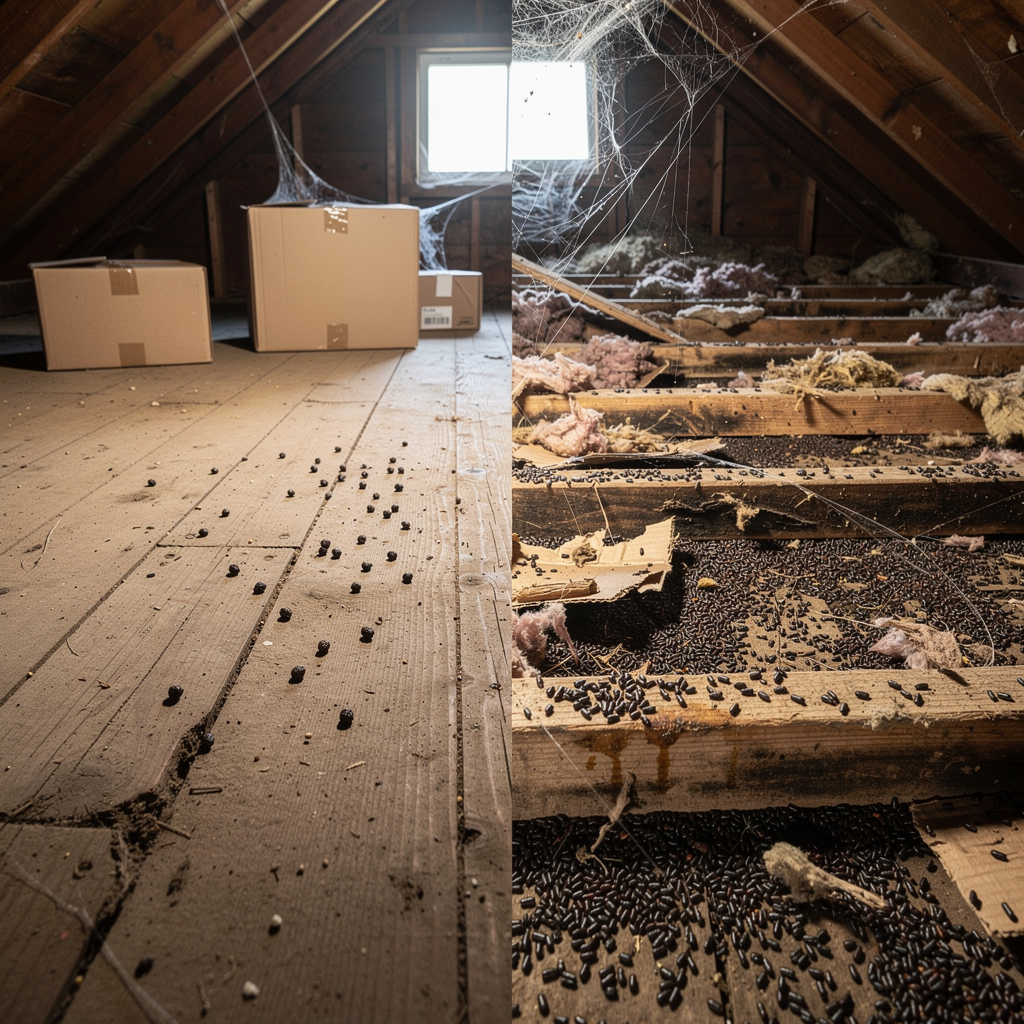
Fresh Droppings
- New droppings in drawers, cabinets or under the sink
- Droppings along baseboards and behind appliances
- More droppings each week instead of fewer
Fresh droppings are dark and soft; old ones are dry and gray. Clean up an area and check it again in a day or two — if new ones appear, mice are active.
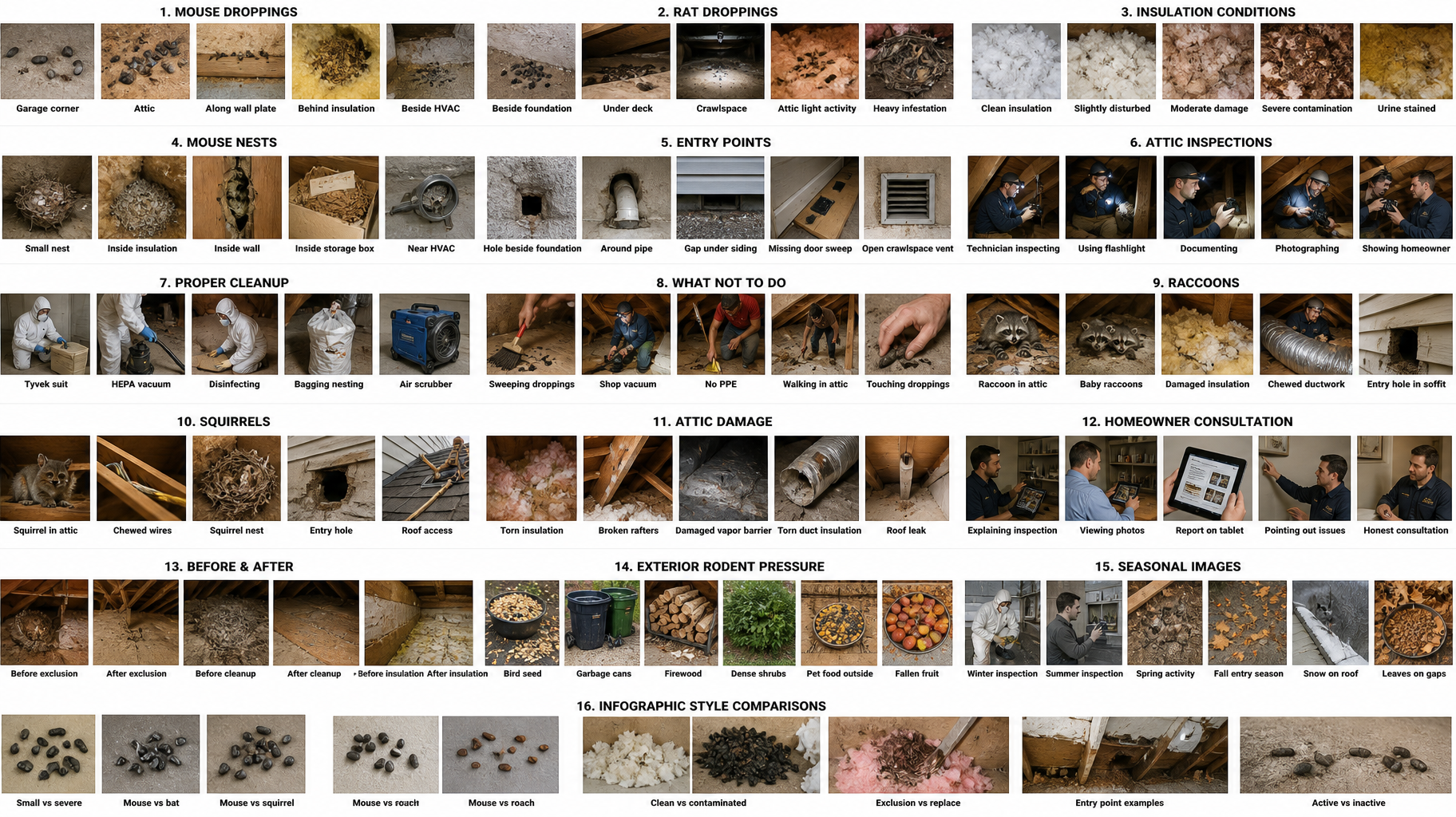
Gaps With Activity
- Droppings or rub marks by pipes and vents
- Gnawed edges on doors, siding or garage seals
- Gaps under doors you can fit a pencil through
Mice can squeeze through a gap about the size of a dime. Where you see droppings bunched up near an opening, that's often how they're getting in.

Nests and Night Noise
- Shredded paper, fabric or insulation in hidden corners
- Scratching in walls or ceilings at night
- Chewed food packages in the pantry
Mice nest in quiet, hidden spaces — exactly the places an ultrasonic repeller can't reach. Night scratching means they're living in the walls.
The best way to get rid of mice — what actually works
Find out how big the problem is
Look for droppings, chewed packaging and nests. A few droppings in one spot is a small problem; droppings in several rooms or on more than one floor is a bigger one.
Trap the mice already inside
Set snap traps along walls, behind appliances and under sinks, where mice travel. Use several traps, not one, and check them daily. Keep traps where kids and pets can't reach.
Seal the way in
Close gaps around pipes, wires, vents, garage doors, foundation cracks and the roofline with steel mesh, hardware cloth and metal flashing. Mice chew through foam, rubber and wood.
Take away food and shelter
Store food, pet food and bird seed in sealed containers, clean up crumbs and clear clutter off basement and garage floors.
Watch and follow up
Keep checking for fresh droppings for a few weeks. If new activity keeps showing up, there's still an open entry point.
When it's time to call a professional
A single mouse in the fall can sometimes be handled with a few traps and some steel wool. Call a pro when:
- You're catching mice every week and they keep coming.
- You see droppings in more than one room or on more than one floor.
- You hear scratching in the walls or ceiling at night.
- You think you have rats, not mice — bigger droppings, gnawed holes, burrows outside.
- You can't find how they're getting in.
- You run a food business or rent out units and need it handled fast.
Our mice and rat service removes the rodents inside and seals the openings they use. The One-Time Mouse Service is 100% guaranteed, and our mice and rodent service includes 90 days of coverage with unlimited free service calls in that time. For a step-by-step homeowner checklist, read how to keep mice out of your house.
Have pet hamsters, gerbils, guinea pigs or rats? They can hear ultrasonic repellers too, and the constant noise may stress them. Unplug the device or keep it away from their room.
Related rodent help
Get Help With Mice or Rats
Tell us where you're seeing droppings or hearing noises, and send a photo if you can — we'll get back to you quickly.
Why people call us after trying a repeller
- Droppings keep showing up with the repeller plugged in
- Scratching in the walls or ceiling at night
- Mice caught every week with no end in sight
- Signs of rats in the basement or garage
- Can't find where they're getting in
Request Service
🔒 Your info stays private · Hablamos español.
Ultrasonic Pest Repeller FAQ
Do ultrasonic pest repellers work on mice?
Not reliably. Mice may avoid the sound for a short time, but they usually get used to it within days, and the sound can't reach mice inside walls or behind furniture.
Do rodent repellers work on rats?
No better than on mice. Rats habituate to the sound too, and repellers do nothing about the gaps and food that bring rats into a building.
Do plug-in mouse repellers go through walls?
No. Ultrasound is blocked by walls, floors, cabinets and furniture, so a plug-in unit only affects the open air in the room where it sits.
Are electromagnetic pest repellers any better?
There's no good evidence they are. Claims that they send a signal through the home's wiring to drive rodents out aren't backed by solid research.
What is the best way to get rid of mice?
Trap the mice already inside, seal every gap bigger than about a quarter inch with steel mesh, hardware cloth or metal, and keep food sealed up. If they keep coming back, call a professional.
Can ultrasonic repellers bother my pets?
They can bother pet rodents like hamsters, gerbils and guinea pigs, which hear ultrasound. Dogs and cats hear some high frequencies too, so watch how your pets react.
Does peppermint oil keep mice away?
Not for long. The smell fades quickly and mice will put up with it if there's food and shelter nearby.
How long does it take to get rid of mice?
A small problem can be cleared in a week or two with good trapping. Larger infestations take longer, and they won't stay gone until the entry points are sealed.
Do you use ultrasonic repellers?
We rely on trapping, bait stations where appropriate and sealing entry points, because those are the methods that work. Silver Bullet Pest Control holds NJ Pesticide License 90568B.
Is your mouse service guaranteed?
Yes. Our One-Time Mouse Service is 100% guaranteed, and our mice and rodent service includes 90 days of coverage with unlimited free service calls.
¿Funcionan los repelentes ultrasónicos para ratones?
No de forma confiable. Los ratones se acostumbran al sonido y el sonido no pasa por las paredes. Para ayuda, llame o mande texto al 973-510-2585 — hablamos español.
Mouse and rat control near you
Based in Garfield, we help homeowners and businesses get rid of mice and rats in these towns and across Bergen, Passaic and Essex counties.
Updated October 2026 by the Silver Bullet Pest Control team, Garfield, NJ • NJ License 90568B