Book now
Bee Removal in Madison, Morris County NJ
Bee Removal in Madison, Morris County NJ
Live removal and safe relocation when possible for honey bees, with targeted wasp and hornet nest removal and entry-point sealing. Licensed and insured – NJ #90568B.
Landmarks in Madison
- Madison City Hall
- Madison Public Library
- Madison High School
- Madison Community Park
What we do
- Honey bee swarm capture and relocation when feasible
- Carpenter bee treatment and wood surface protection
- Ground and cavity-nesting bee identification and treatment
- Discreet, kid-and-pet-conscious protocols
- Warranty options depending on the case
4-step process
- Inspect: Locate the nest and confirm which insect is involved.
- Plan the approach: Weigh live removal against targeted treatment.
- Resolve the nest: Perform the extraction or treatment with care.
- Prevent recurrence: Seal gaps and reduce what attracted the nest.
Map – Madison, NJ
FAQs
Can you save the honey bees?
We relocate honey bees whenever safe and practical. Wasps and hornets are treated/removed.
Do you offer same-day service?
Yes, depending on availability. Call 973-510-2585.
Is it safe for kids and pets?
We use careful methods and provide clear re-entry guidance.
Recent jobs
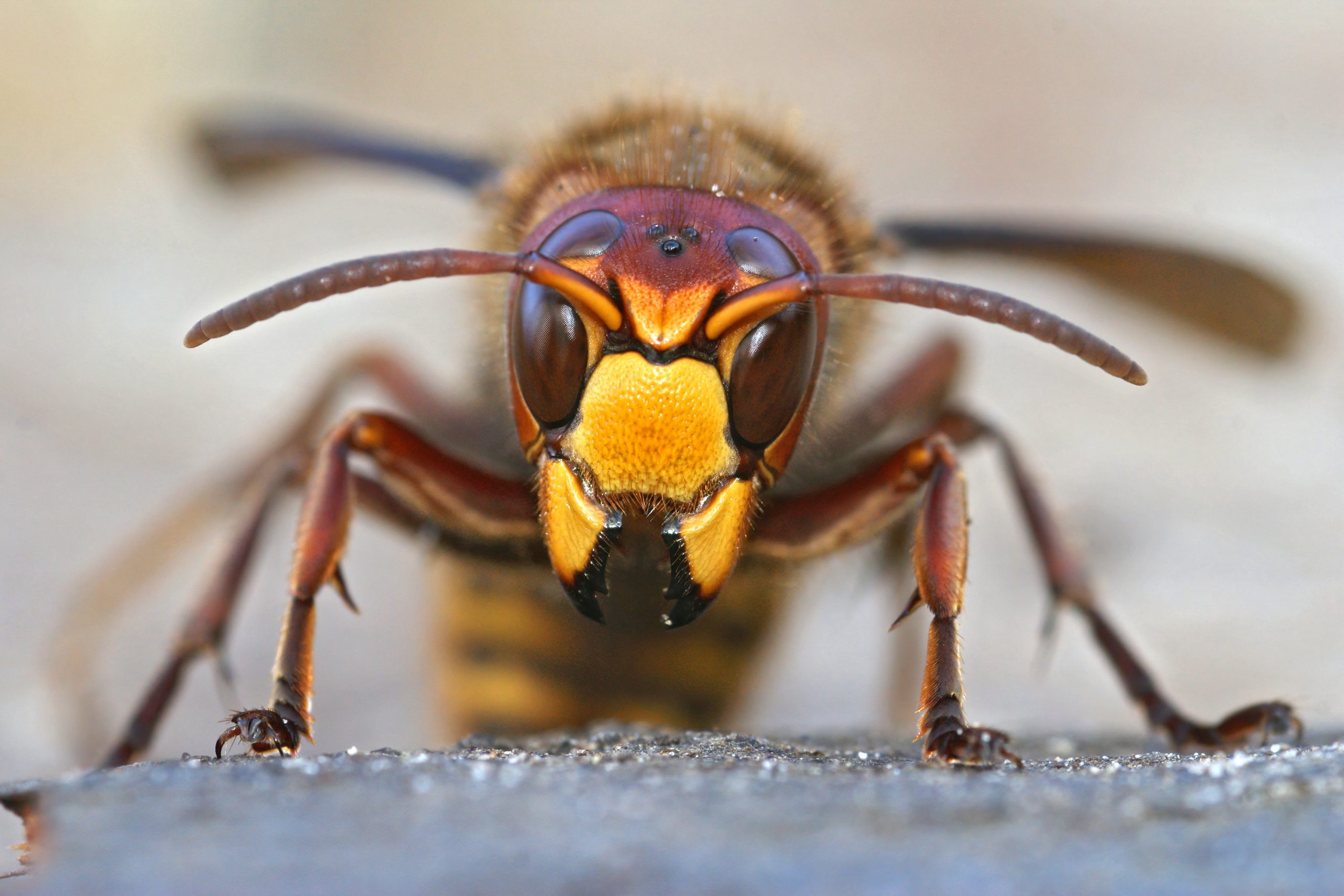
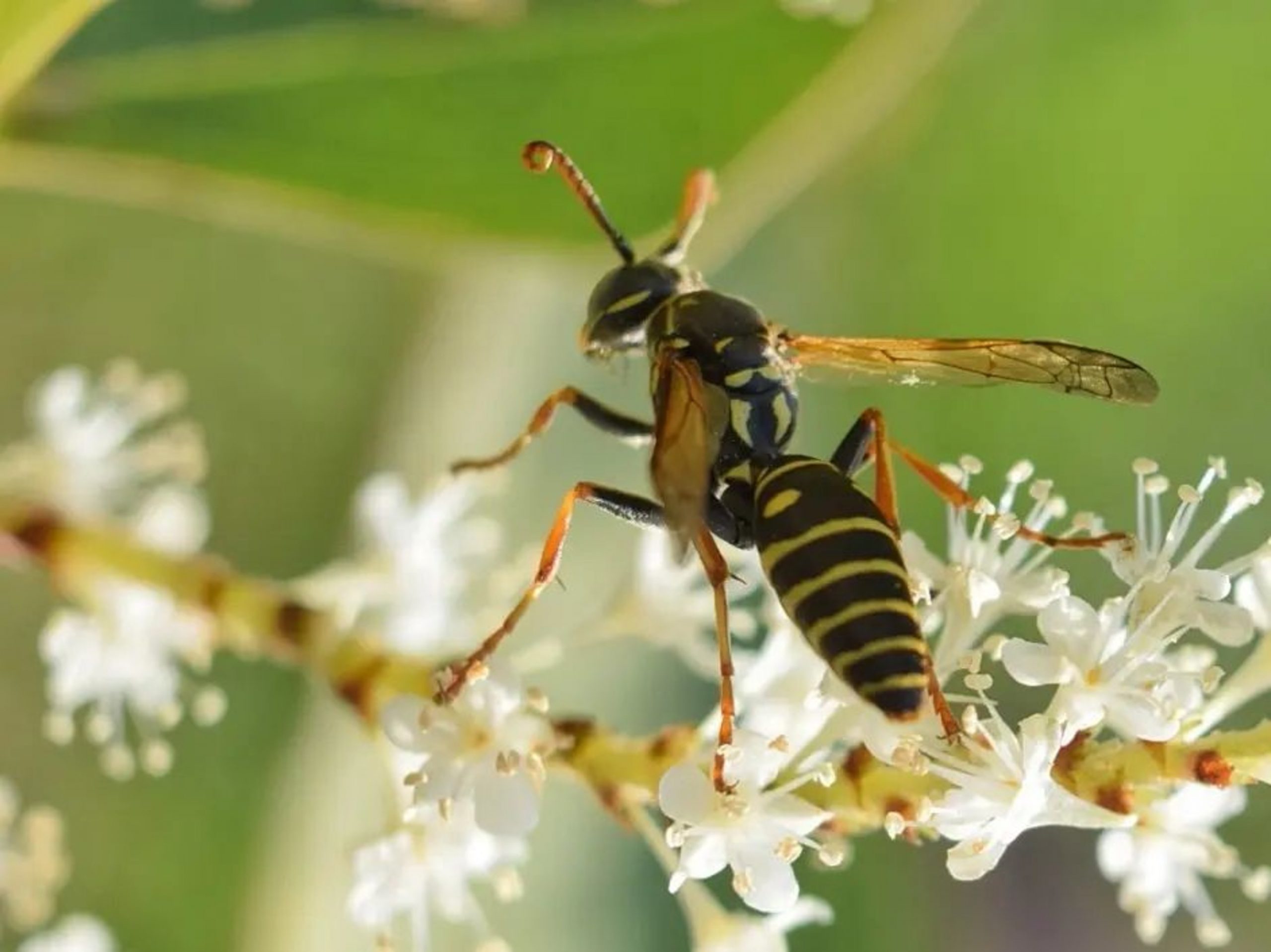

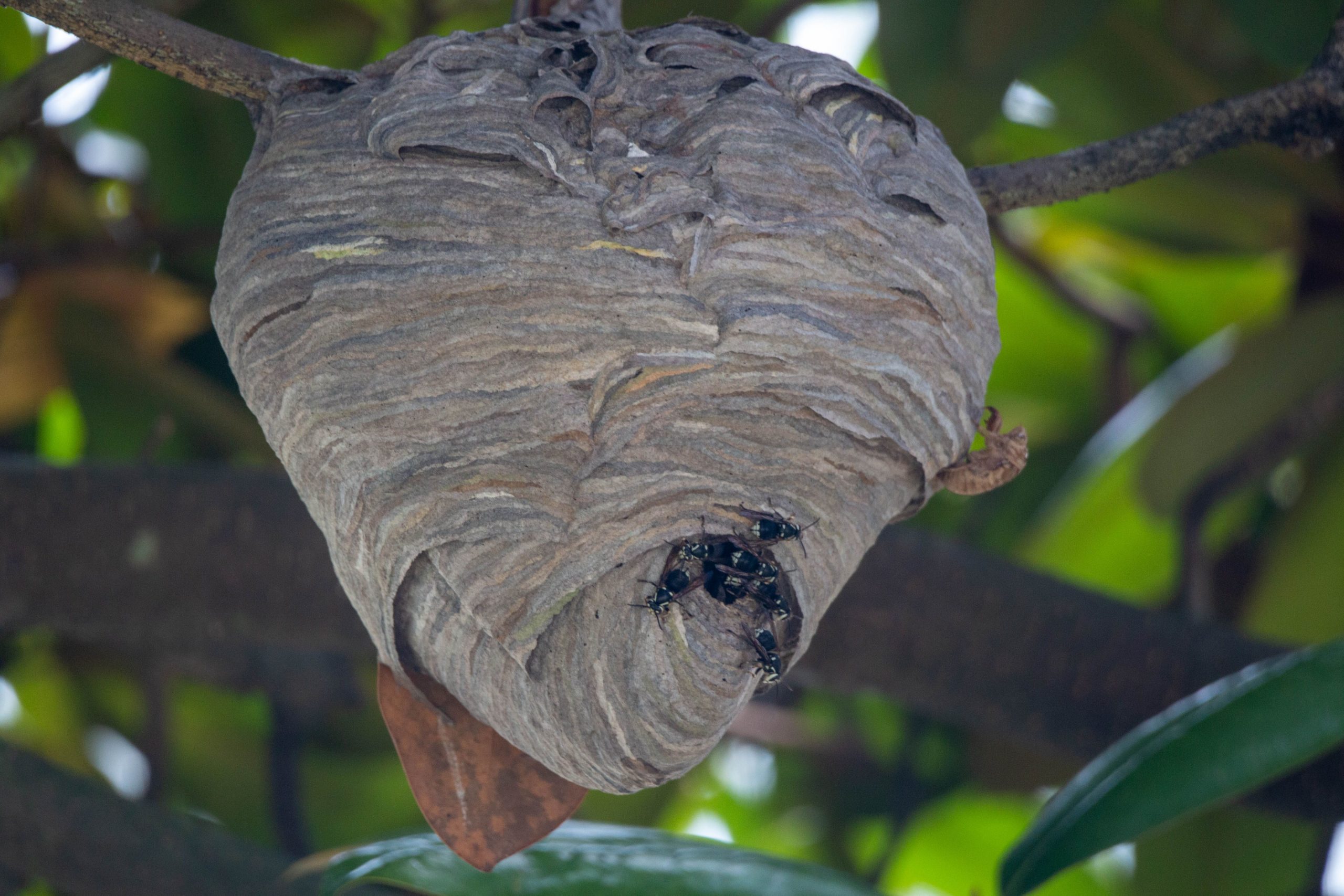
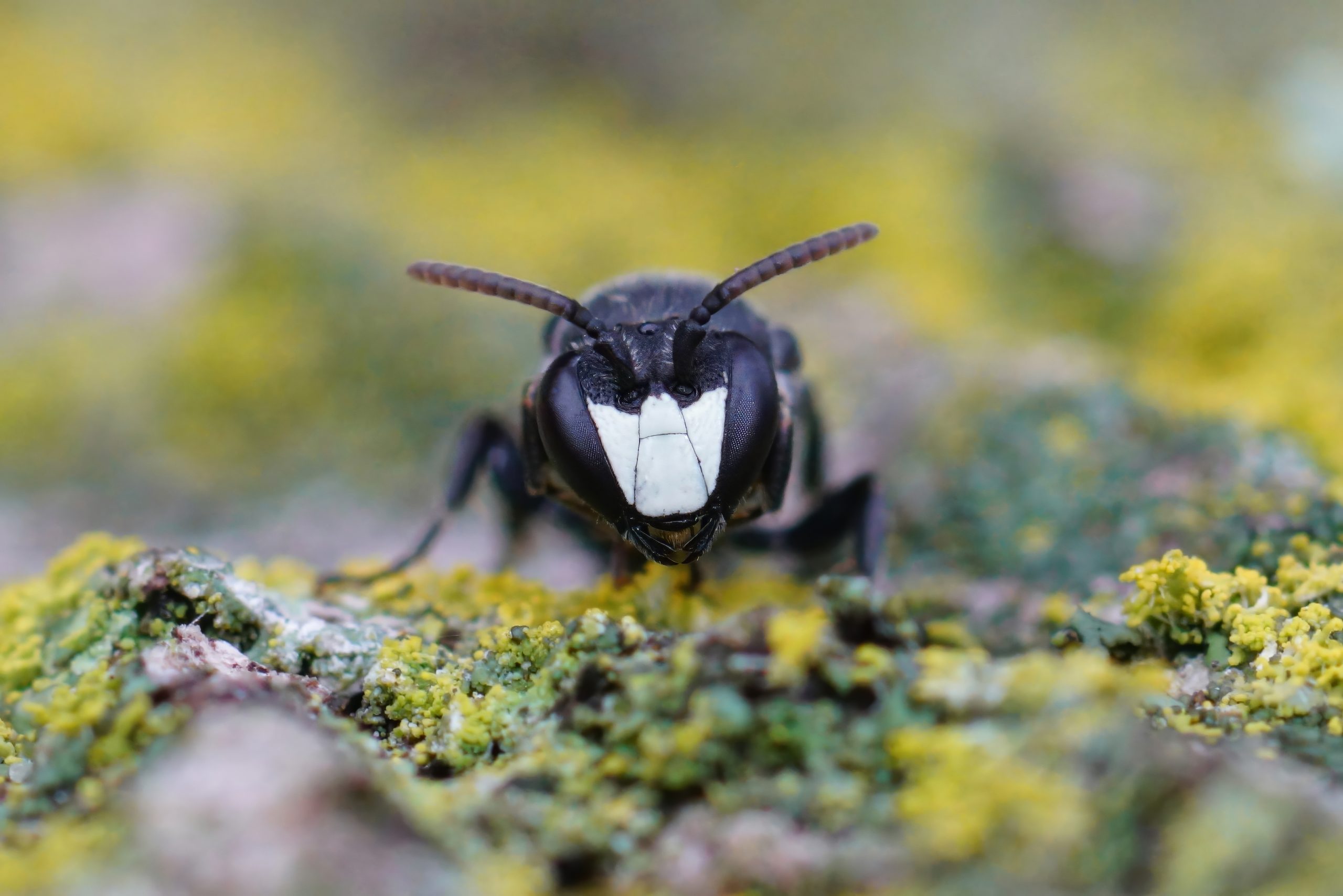
Nearby cities in Morris County
- Bee Removal in Boonton
- Boonton – bee removal
- Bee Removal in Chatham
- Chatham – bee removal
- Bee Removal in Denville
- Denville – bee removal
- Bee Removal in Dover
- Dover – bee removal
- Bee Removal in Florham Park
- Florham Park – bee removal
- Bee Removal in Hanover Township
- Hanover Township – bee removal
- Bee Removal in Mendham
- Mendham – bee removal
- Bee Removal in Montville
- Montville – bee removal
- Bee Removal in Morristown
- Morristown – bee removal
- Bee Removal in Mountain Lakes
- Mountain Lakes – bee removal
- Bee Removal in Parsippany
- Parsippany – bee removal
- Bee Removal in Randolph
- Randolph – bee removal
- Bee Removal in Rockaway
- Rockaway – bee removal
Silver Bullet Pest Control proudly serves Madison, NJ homeowners and businesses with friendly, careful service for families and pets. Call 973-510-2585 to schedule.
Bee Removal – Identification in Madison, NJ
Proper identification is the first step in safe bee removal. Honey bees, carpenter bees, bumble bees and mason bees all nest differently and call for different handling. Silver Bullet Pest Control evaluates the insect, the nest location, the risk to people nearby and whether structural damage may be involved before recommending a treatment plan.
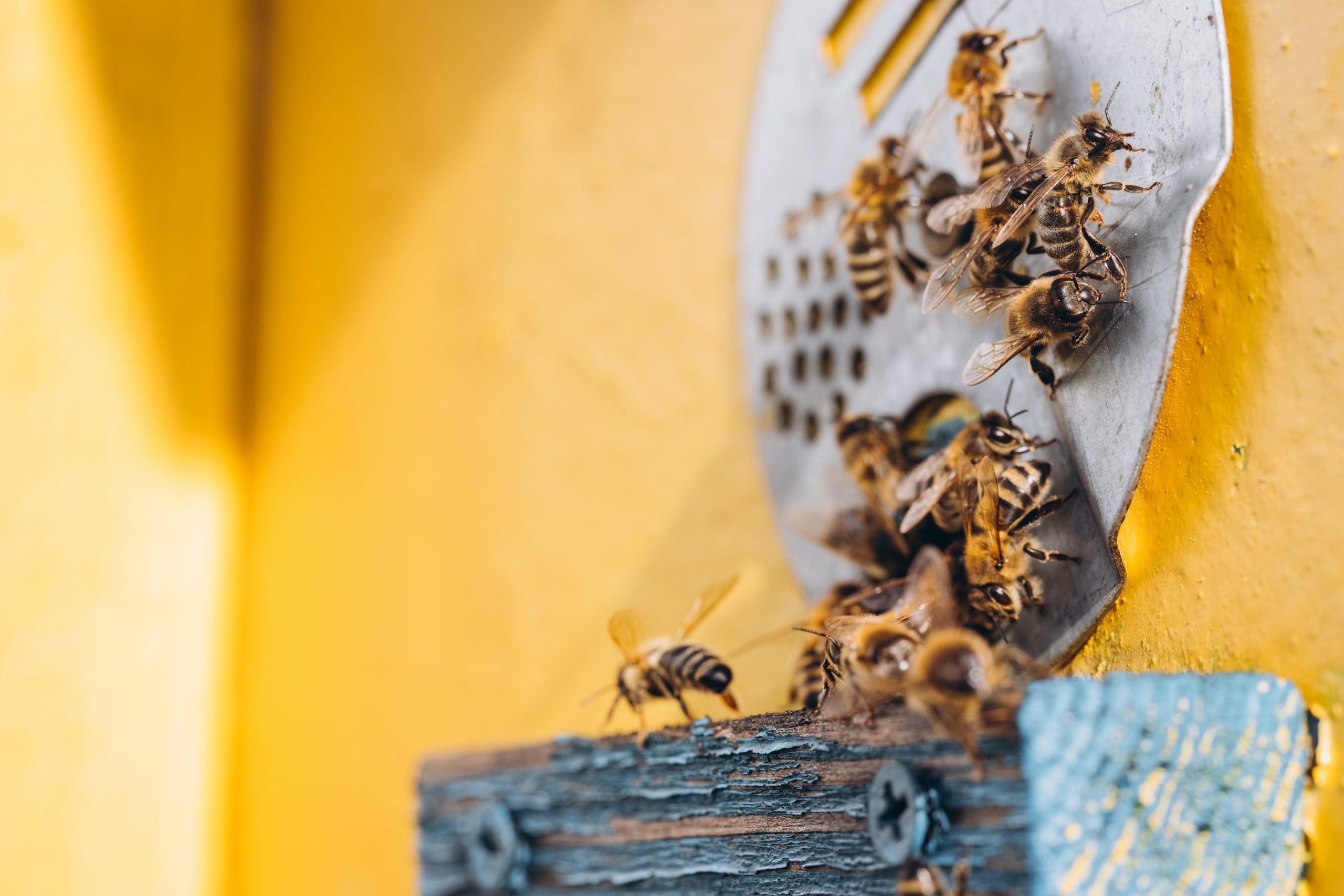
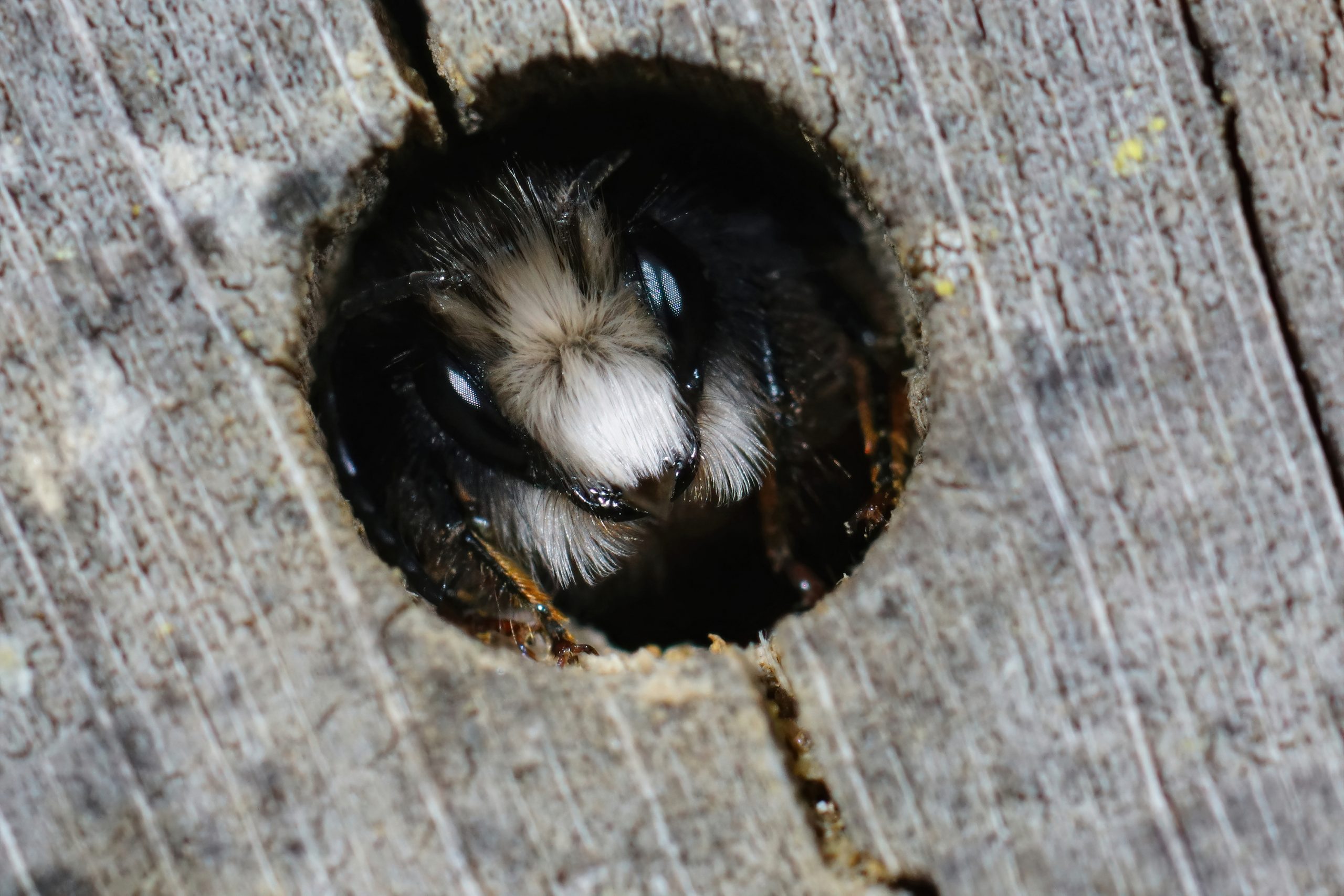
Types Found Around New Jersey Homes
- Honey bee colonies: valuable pollinators that may establish nests in trees, wall cavities or structural voids.
- Carpenter bees: wood-nesting bees that tunnel into exposed fascia, trim, railings and decks.
- Bumble bees: ground- or cavity-nesting pollinators, generally less aggressive than wasps.
- Mason bees and other solitary bees: typically calm species that still need correct identification.
- Wasps, hornets and yellow jackets: more defensive stinging insects often requiring faster response near entrances or patios.
Bee Removal vs. Extermination
Not every bee problem calls for the same solution. Honey bees are often good candidates for live relocation when the colony is accessible and the timing works. Other situations – nests deep inside a wall void, a large or aggressive colony, or a location with heavy foot traffic – may call for treatment instead. Species, location and colony size all factor into the recommendation.
Signs You May Have a Problem
- Heavy bee traffic entering a wall, soffit, roofline or tree cavity
- Buzzing sounds inside a wall, ceiling or attic
- Visible swarms or large groups clustered in one area
- Round carpenter bee holes or sawdust-like debris on wood
- Bees near doors, patios, playgrounds or public walkways
Common Nesting Locations
Around Madison, common nesting spots include eaves and roof returns, tree branches and shrubs, shed and deck framing, porch ceilings, fence posts, ground cavities and gaps around commercial exteriors. Confirming whether the nest is active – and whether it’s inside a structure – shapes the treatment and any follow-up sealing.
Structural Concerns
Carpenter bees are less about stinging and more about structural wear over time – repeated tunneling can weaken fascia boards, trim, railings and decking. Woodpeckers drawn to the larvae inside can make the damage worse. Once the bees are treated, exposed wood can be checked for spots that need sealing or repair.
Seasonal Activity in New Jersey
Nest-building tends to ramp up in spring, activity peaks through the summer months, and fall can bring more defensive behavior as colonies compete for shrinking food sources. Once winter arrives, visible activity drops off, though any repair or prevention work is easier to schedule before spring returns.
Commercial Services
Property managers, restaurants, schools and retail centers all rely on fast, discreet stinging insect service, since a visible nest near an entrance or patio can affect customers and staff alike. Commercial scheduling is available for these situations.
Related Pest Control Services in Madison
For additional protection, homeowners and property managers can also review pest control in Madison, organic pest control options, commercial pest control, and wildlife damage repair when structural areas have been affected.
Bee Removal FAQ
Can bumble bees be relocated too?
Bumble bee colonies are typically smaller and less aggressive, and options depend on the exact nest location.
Are ground bees dangerous?
Ground-nesting bees are generally less aggressive than wasps, but nests should still be identified and handled carefully, especially around children and pets.
How long does bee removal take?
Most jobs are completed in a single visit, though larger or hard-to-reach colonies may take longer.
How much does bee removal cost?
Cost depends on the species, nest location, height, accessibility, colony size and whether wall, soffit or wood damage is involved.
Are honey bees protected?
Honey bees are valuable pollinators, so identification matters. When practical, live removal or relocation may be considered.
Can carpenter bees damage wood?
Yes. Carpenter bees tunnel into exposed wood and can cause repeat damage to fascia, soffits, decks, trim and railings.
What attracts bees to a home?
Flowers, water sources, sheltered nesting areas, exposed untreated wood, wall voids and gaps around siding or trim.
Can you save the honey bees?
We relocate honey bees whenever it’s safe and practical. Other stinging insects are typically treated or removed.
Do you offer same-day service?
Yes, depending on availability. Call 973-510-2585 to check current scheduling.
Is it safe for kids and pets?
We use careful methods and provide clear re-entry guidance for the treated area.
How do I know if it’s honey bees or wasps?
Honey bees are fuzzy and golden-brown with a rounder body; wasps are smoother, slimmer and often more brightly striped. An inspection can confirm the species.
Will the bees come back after treatment?
Sealing entry points after treatment significantly reduces the chance of the same spot being reused.