
Roaches & bed bugs
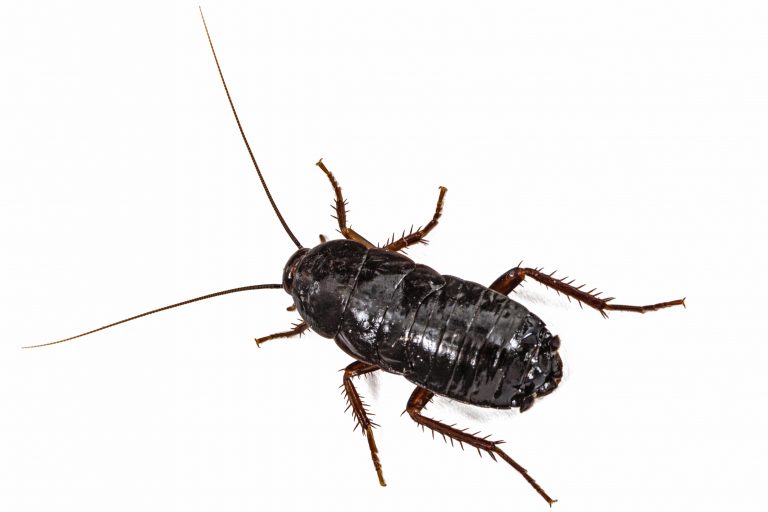
Oriental cockroachCucaracha oriental
When: Year-round; most active in summer
Large dark roaches, often called water bugs, that live in damp basements, drains and crawl spaces.
Photos and quick facts for 44 pests we deal with across Bergen, Passaic and Essex County, with their Spanish names and when each one is most active. Not sure what you found? Text us a photo.
Telemundo 47 • EPA Pesticide Safety Certified • 5-Star Google Rated • NJ License 90568B
When: Year-round; most active in summer
Large dark roaches, often called water bugs, that live in damp basements, drains and crawl spaces.
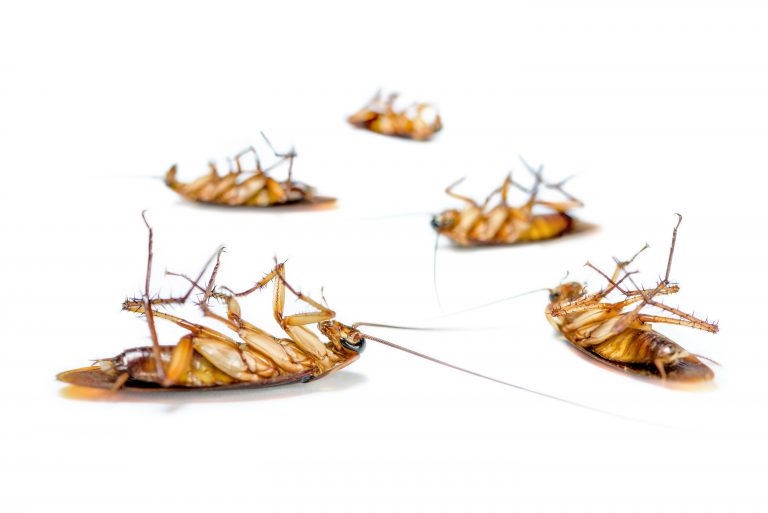
When: Year-round indoors
German roaches spread fast in kitchens and apartments; American roaches come up from basements and sewers.
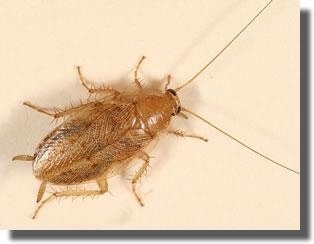
When: Late spring and summer
Outdoor roaches that live under bark and leaf litter. Males fly to porch lights and wander inside, but they don’t breed indoors.
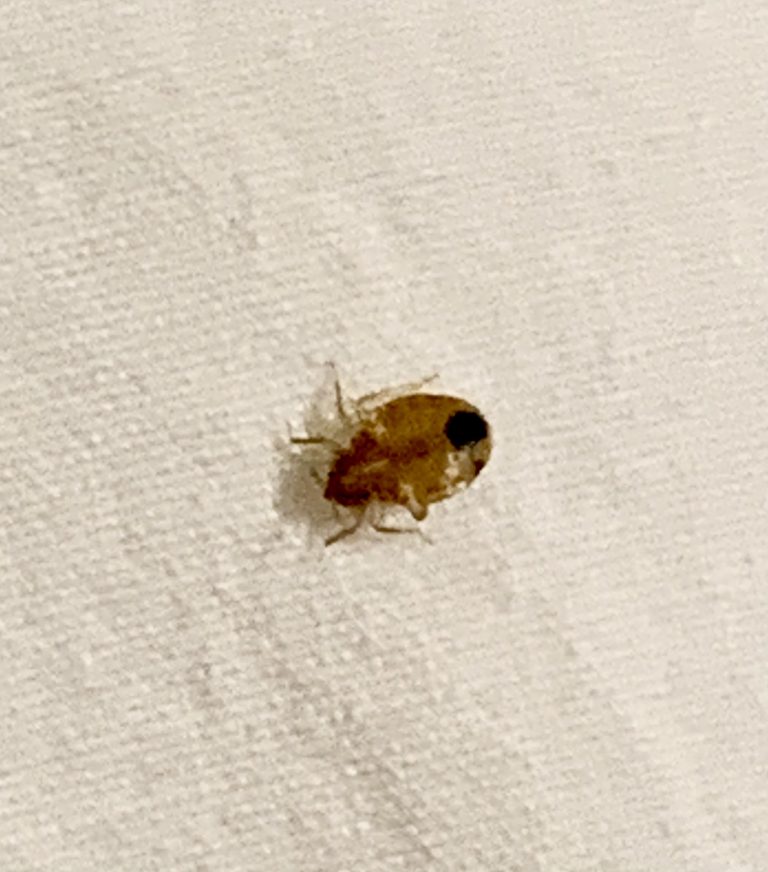
When: Year-round
Small blood-feeding bugs that hide in mattress seams and furniture. Bites and blood spots on sheets are common signs.
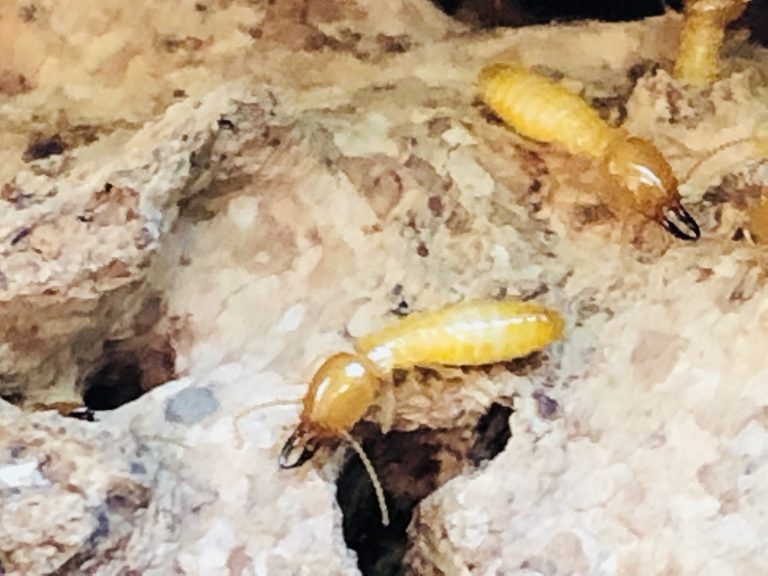
When: Swarm in spring; feed year-round
They build mud tubes up foundations and eat wood from the inside. Swarms of winged insects in spring are a warning sign.
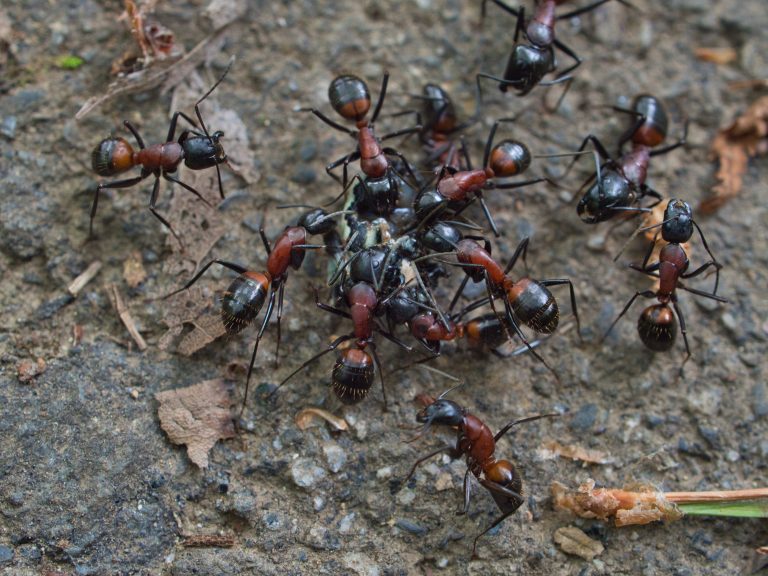
When: Spring through fall
Large black ants that nest in damp or damaged wood. Piles of sawdust-like shavings mean a nest is nearby.
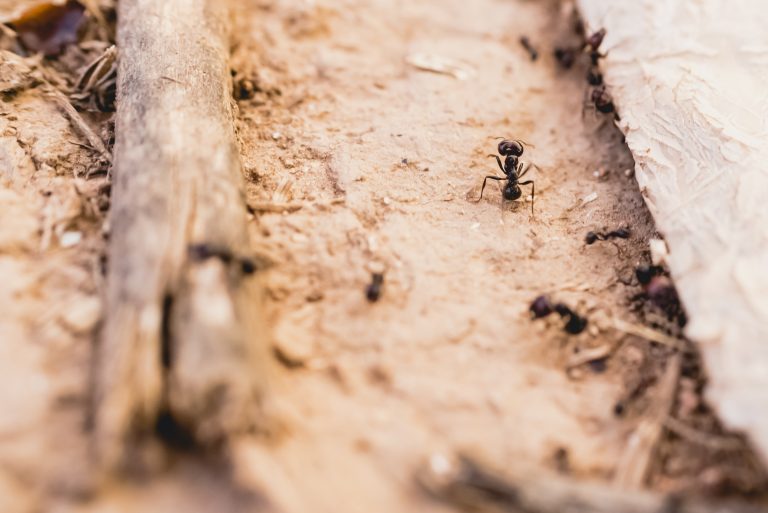
When: Spring through fall
Pavement and odorous house ants follow scent trails to food in kitchens and bathrooms.
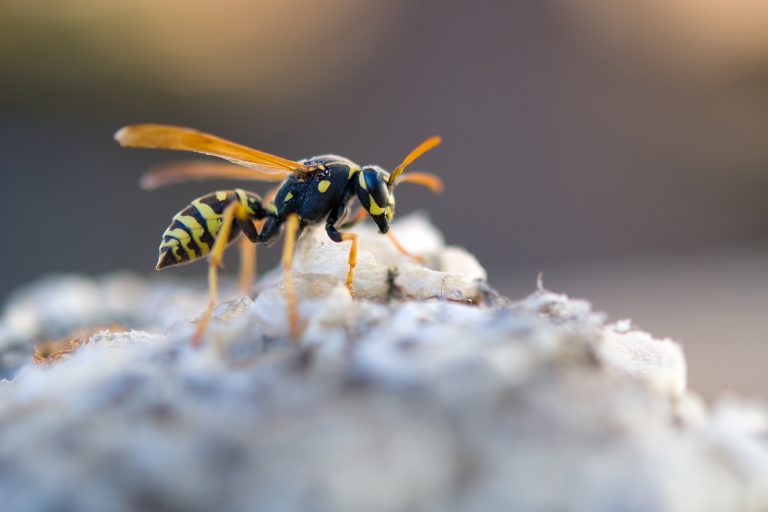
When: Late summer and fall peak
Aggressive stinging wasps that nest in the ground, walls and eaves. Colonies are largest in late summer.
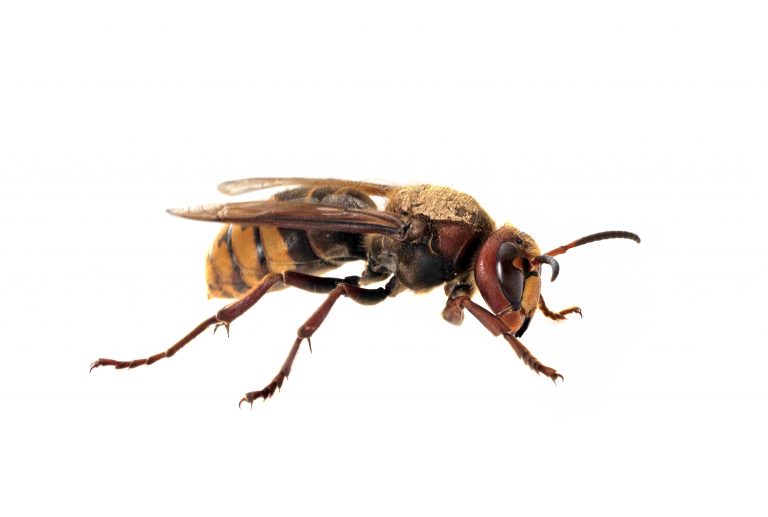
When: Summer through fall
Large hornets that nest in hollow trees, walls and attics, and fly at night toward lights.
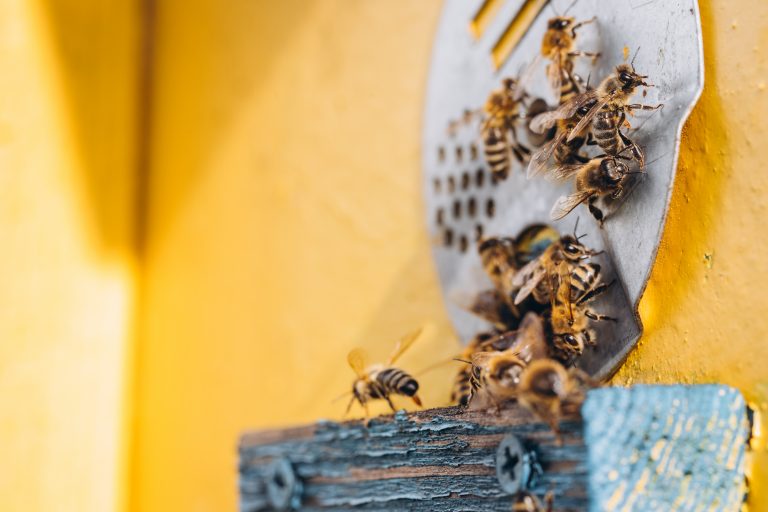
When: Spring through fall
Important pollinators that sometimes build hives inside walls. A hive in a wall should be handled by a professional.
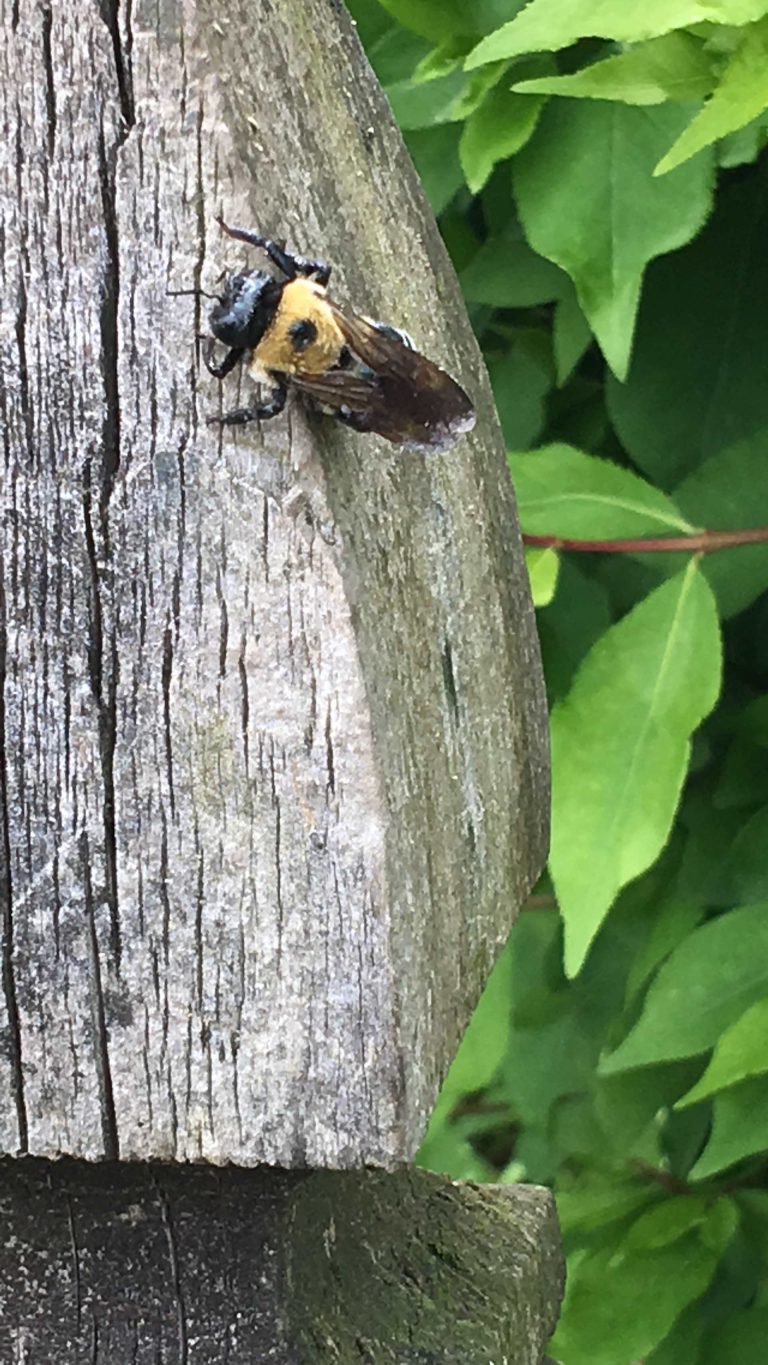
When: Spring
Large bees that bore round holes into decks, fascia and wooden siding to lay eggs.
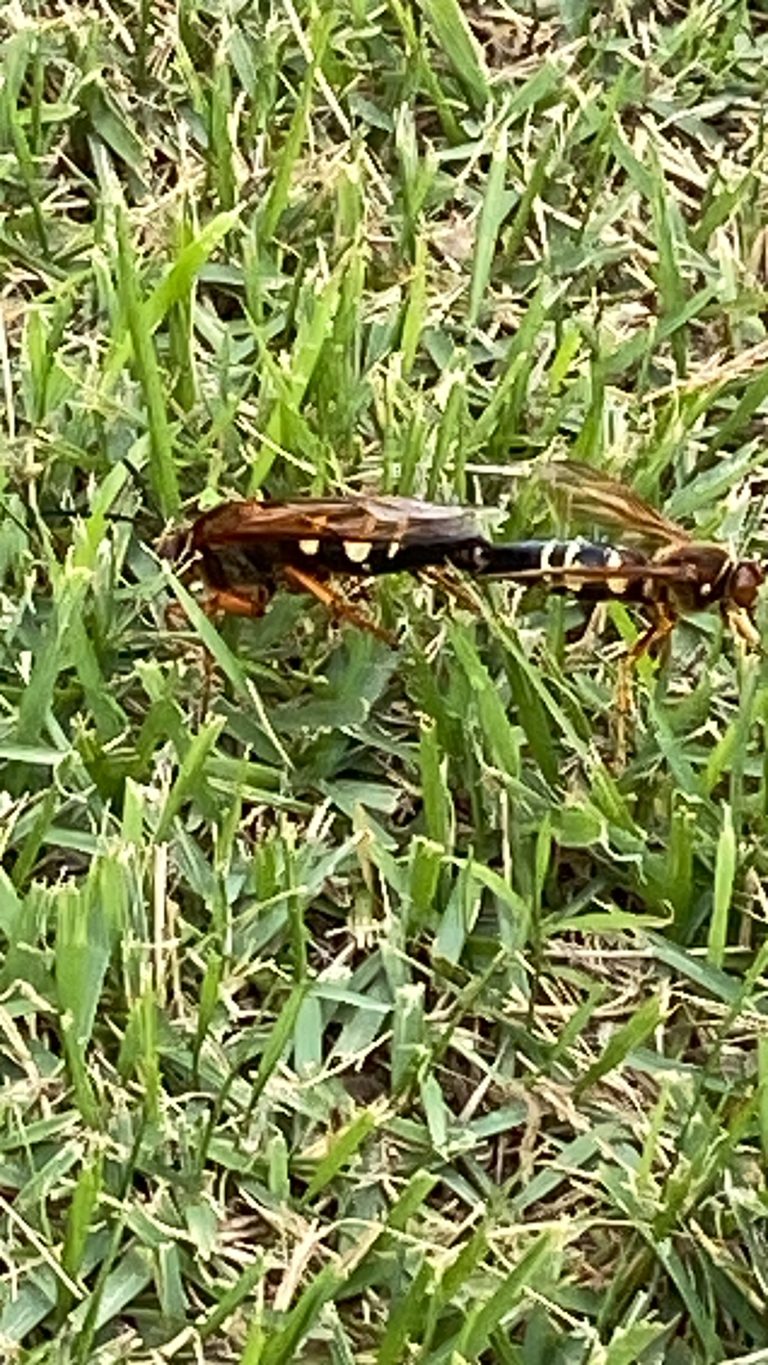
When: July and August
Very large wasps that dig holes in lawns and sandy soil. They look scary, but the males can’t sting.
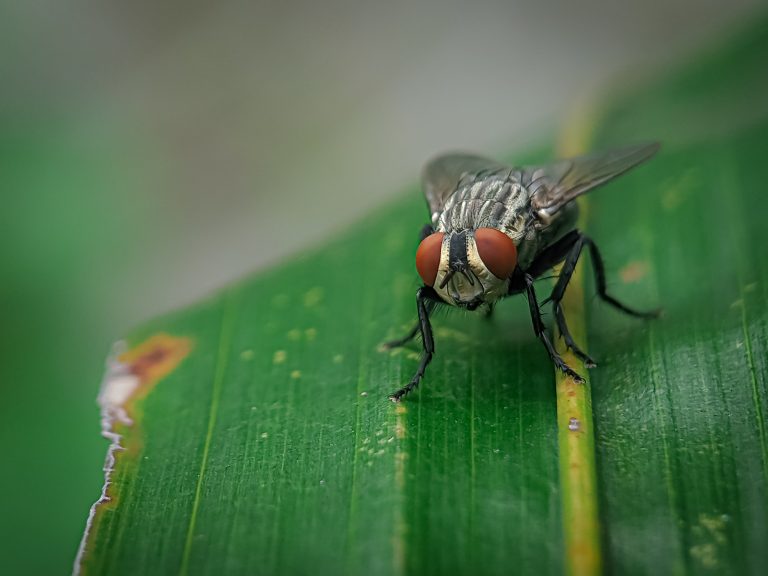
When: Summer peak
Common flies that breed in garbage and spread bacteria onto food and counters.
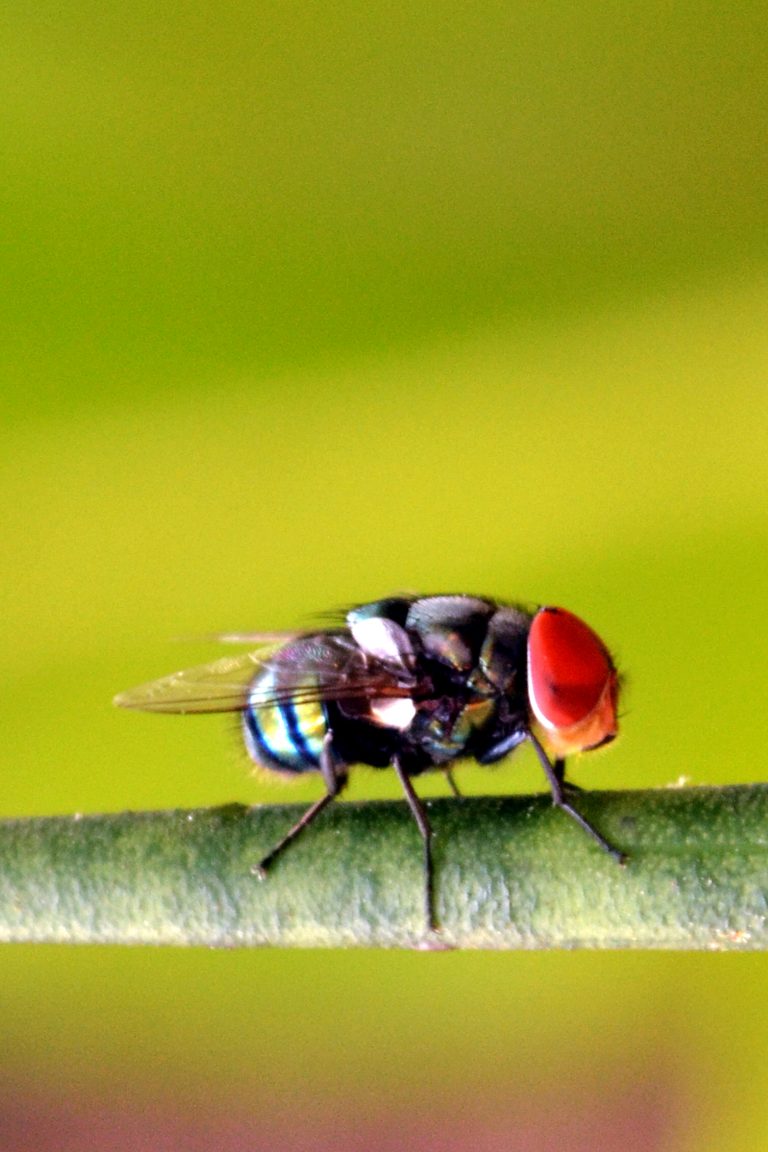
When: Year-round indoors
Tiny flies with red eyes that breed in overripe fruit, drains and recycling.
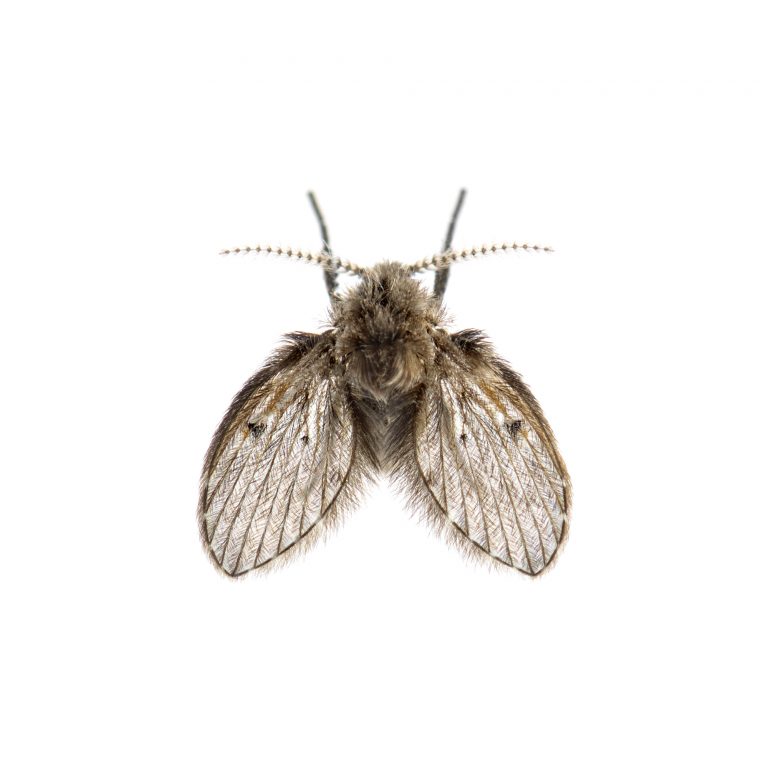
When: Year-round
Small fuzzy moth-like flies that breed in the slime inside sink, tub and floor drains.
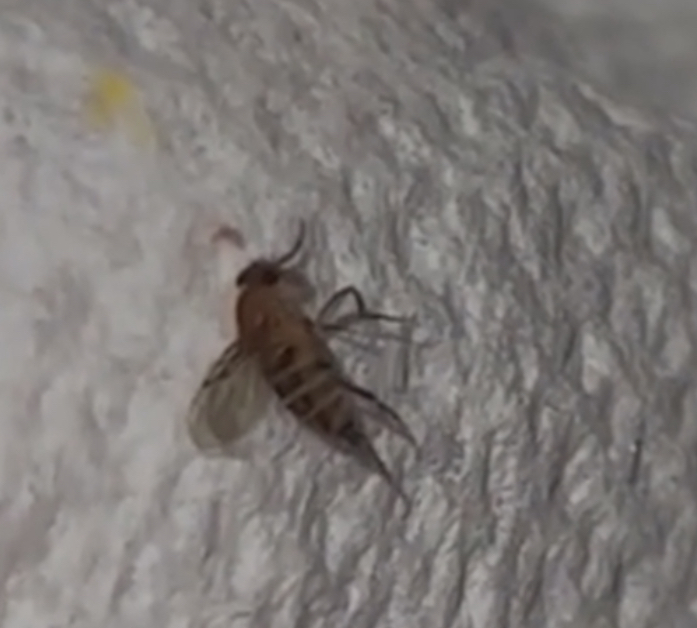
When: Year-round indoors
Small humpbacked flies that breed in drains, garbage and broken sewer lines. They often run across surfaces before flying.
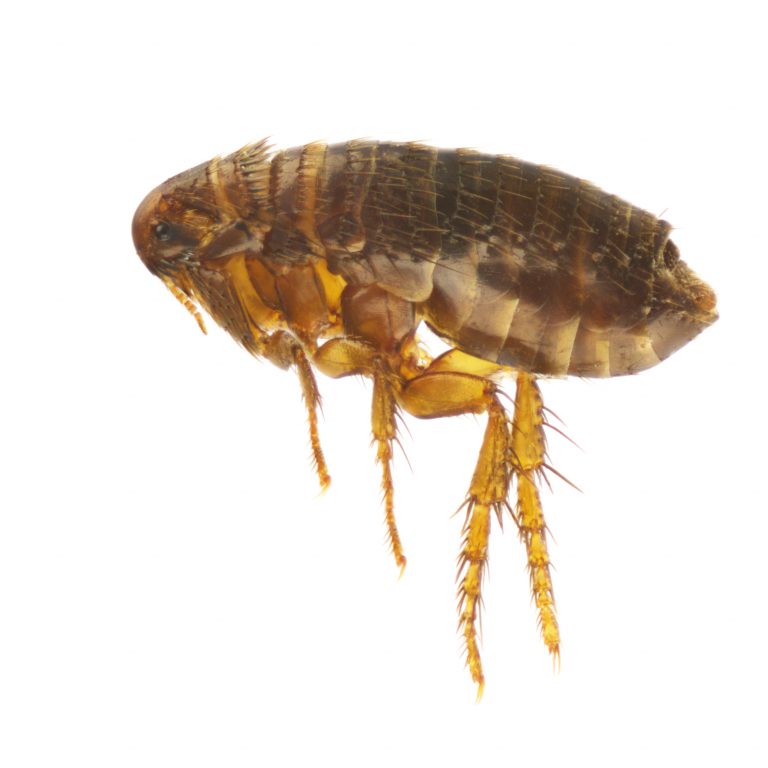
When: Summer peak; year-round indoors
Tiny jumping insects that ride in on pets and lay eggs in carpets and pet bedding.
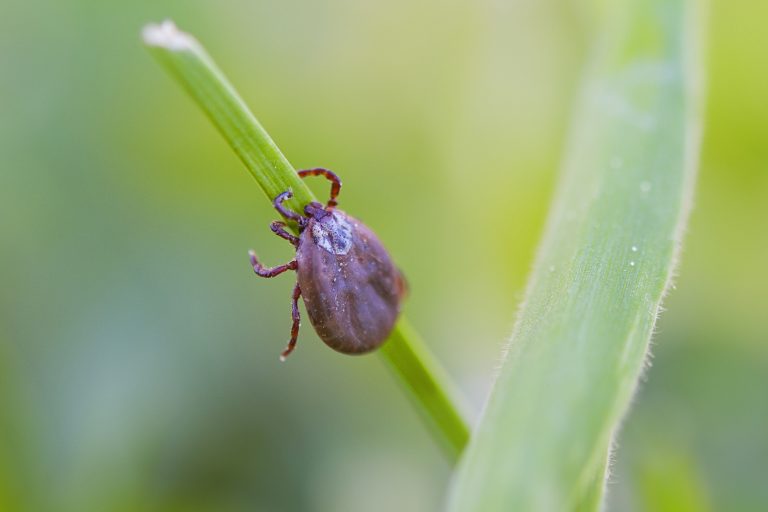
When: Spring through fall
Ticks that can carry Lyme disease. They wait in tall grass and leaf litter for people and pets.
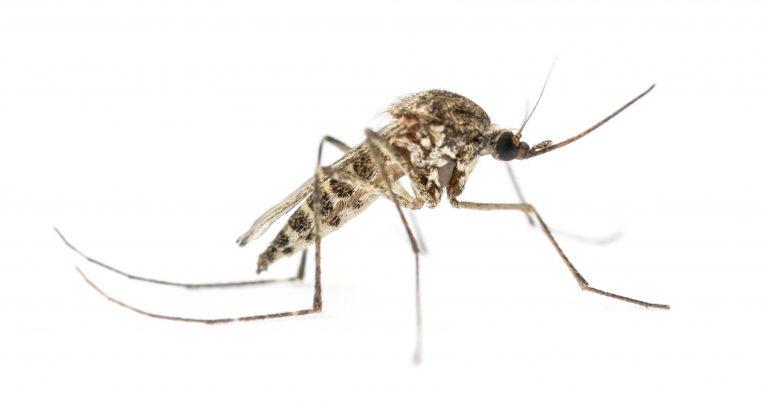
When: Late spring through fall
Striped mosquitoes that bite during the day and breed in small amounts of standing water.
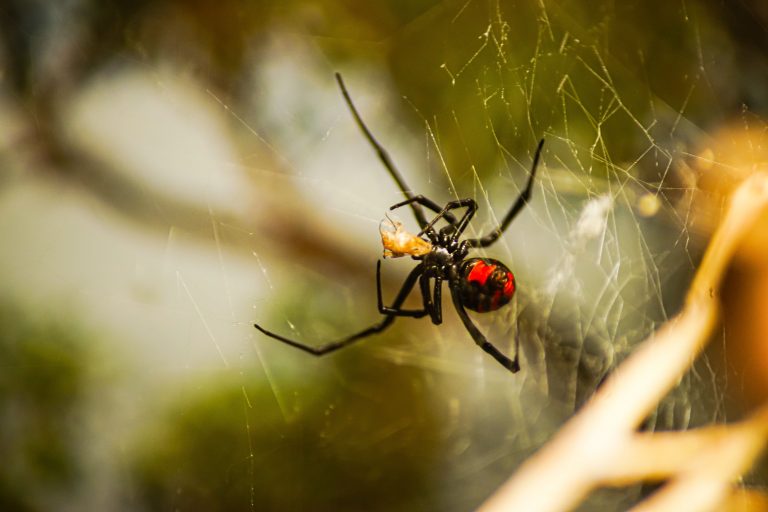
When: Year-round in sheltered spots
Venomous spiders with a red hourglass mark. They hide in garages, woodpiles and crawl spaces.
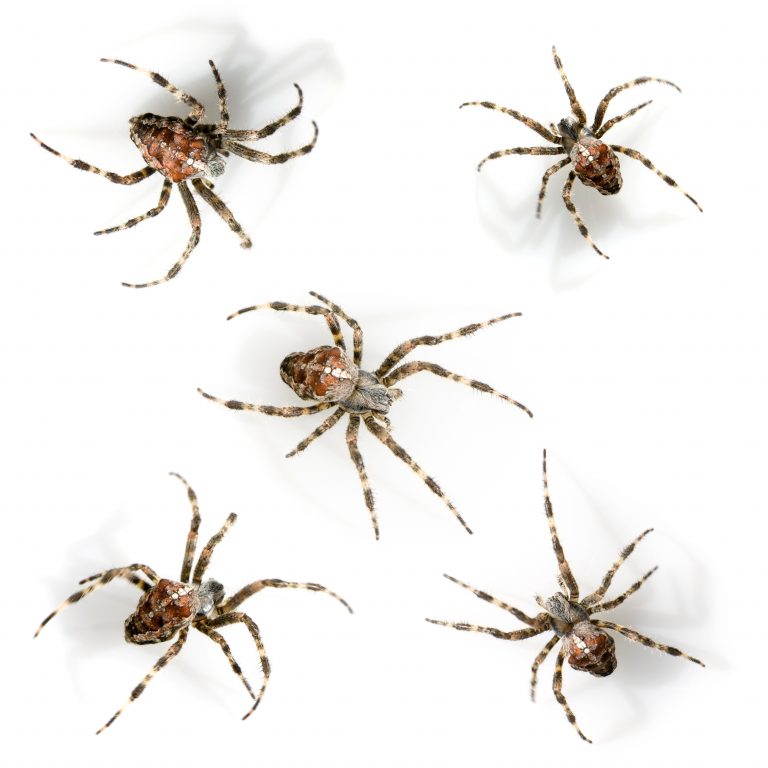
When: Year-round
Mostly harmless spiders that build webs in corners, basements and windows.
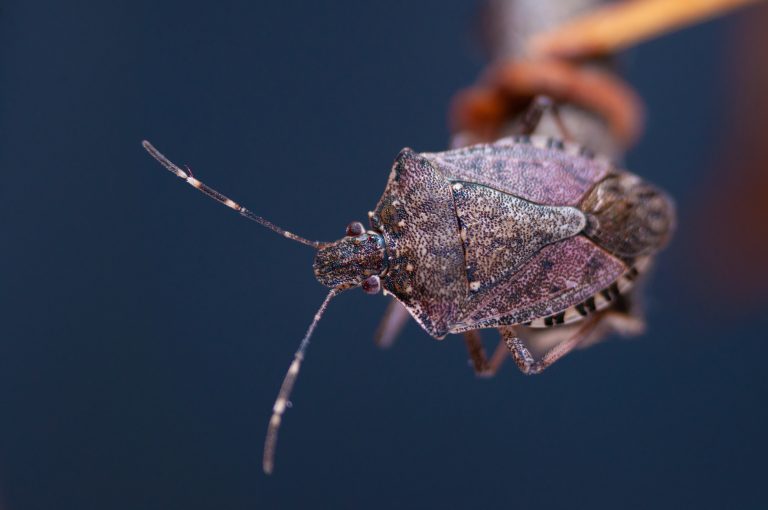
When: Fall, as they move indoors
Shield-shaped bugs that crowd into walls and attics in fall and smell when crushed.
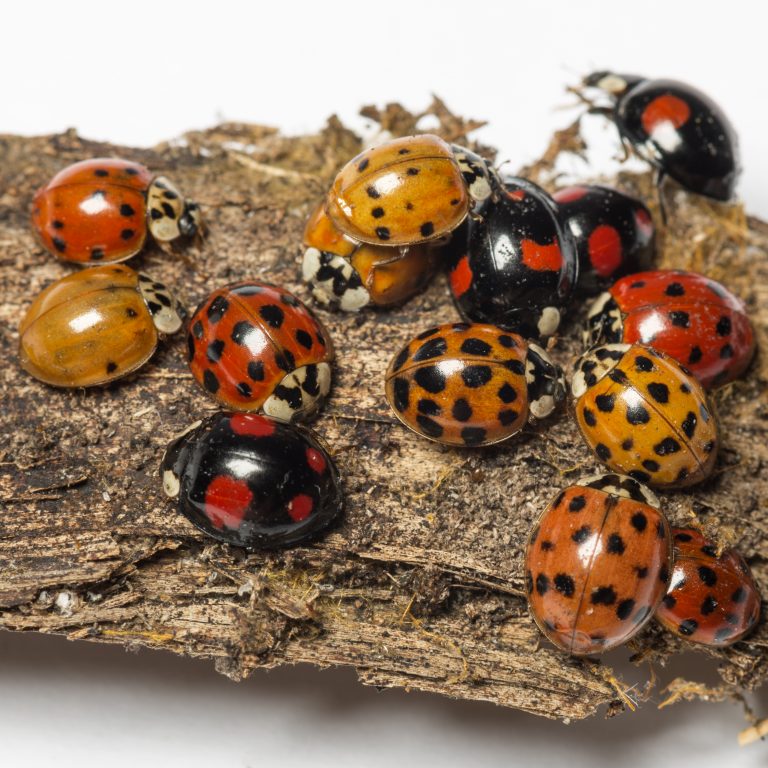
When: Fall and early spring
They gather on sunny walls in fall and overwinter indoors. They can bite and stain surfaces.
When: Year-round indoors
Small moths whose larvae infest flour, cereal, rice and pet food in kitchen cabinets.
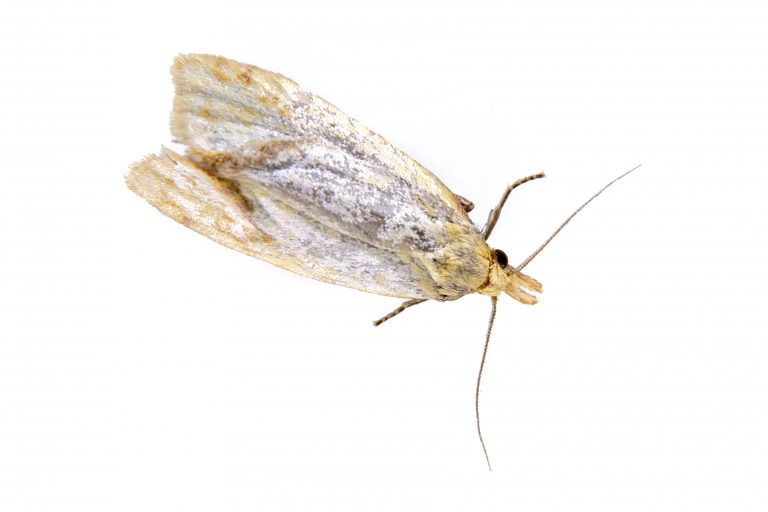
When: Year-round indoors
Their larvae eat wool, silk, fur and other natural fibers in closets and stored clothing.
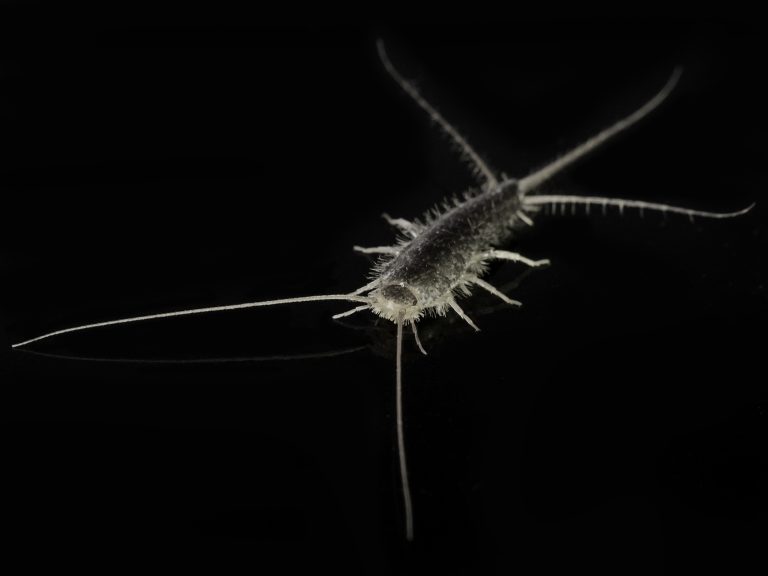
When: Year-round
Fast, silver insects that live in damp bathrooms and basements and feed on paper and starch.
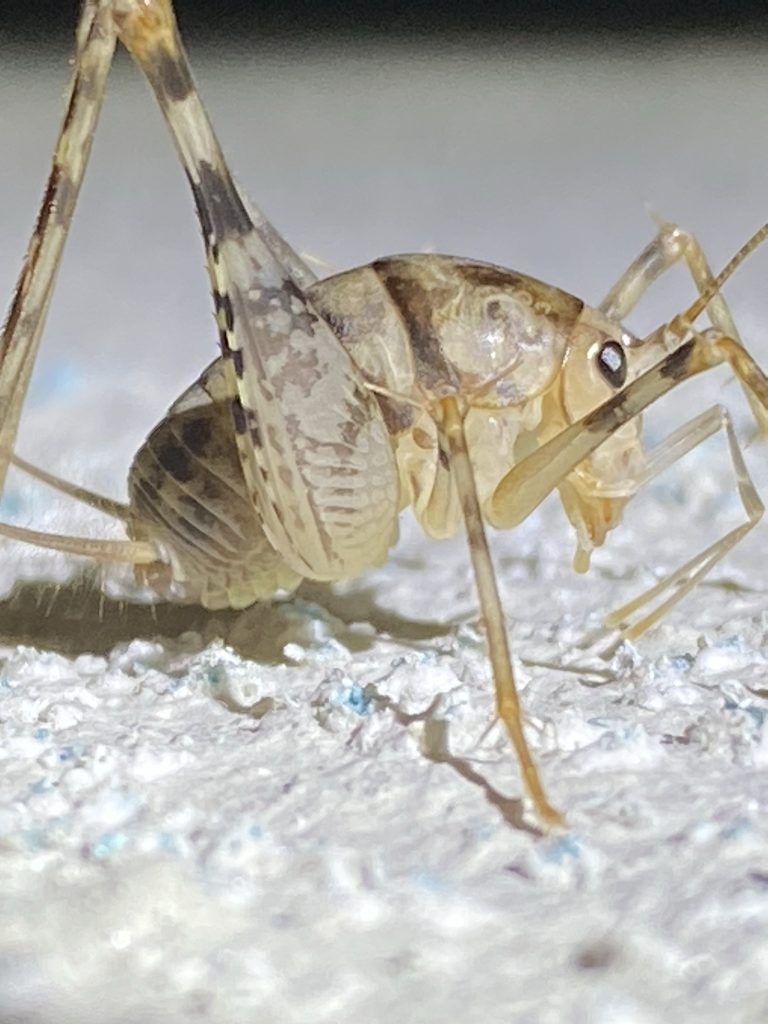
When: Late summer and fall
Humpbacked, jumping crickets that gather in damp basements and garages.
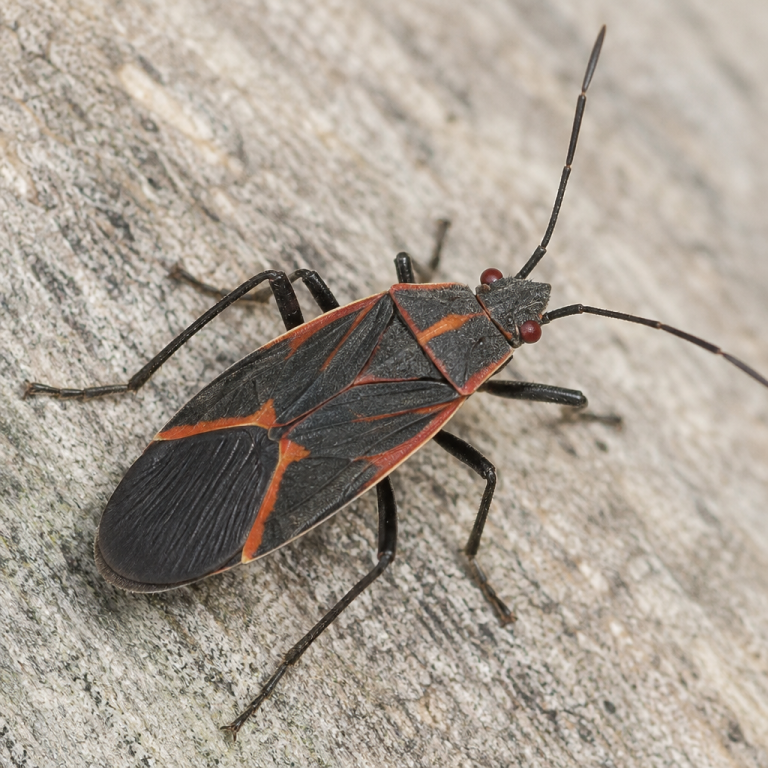
When: Fall
Black and red bugs that gather on sunny walls in fall and slip inside to spend the winter.
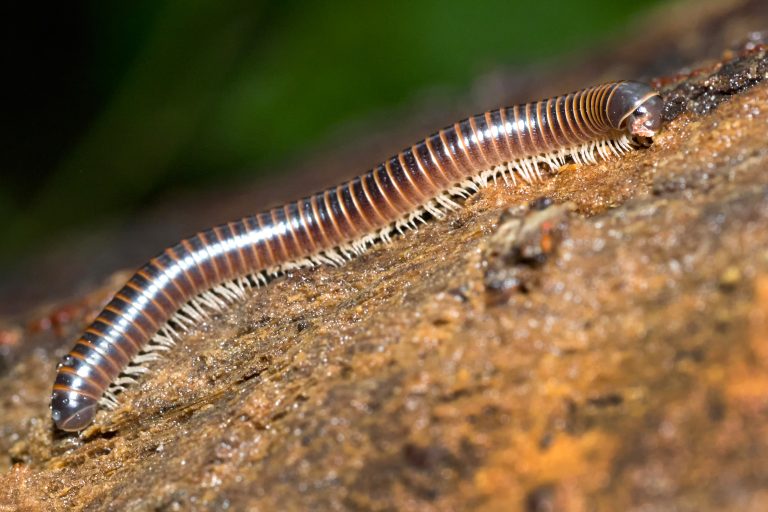
When: Late summer and fall, after heavy rain
They crawl in under doors and through basements after heavy rain, then die quickly indoors.
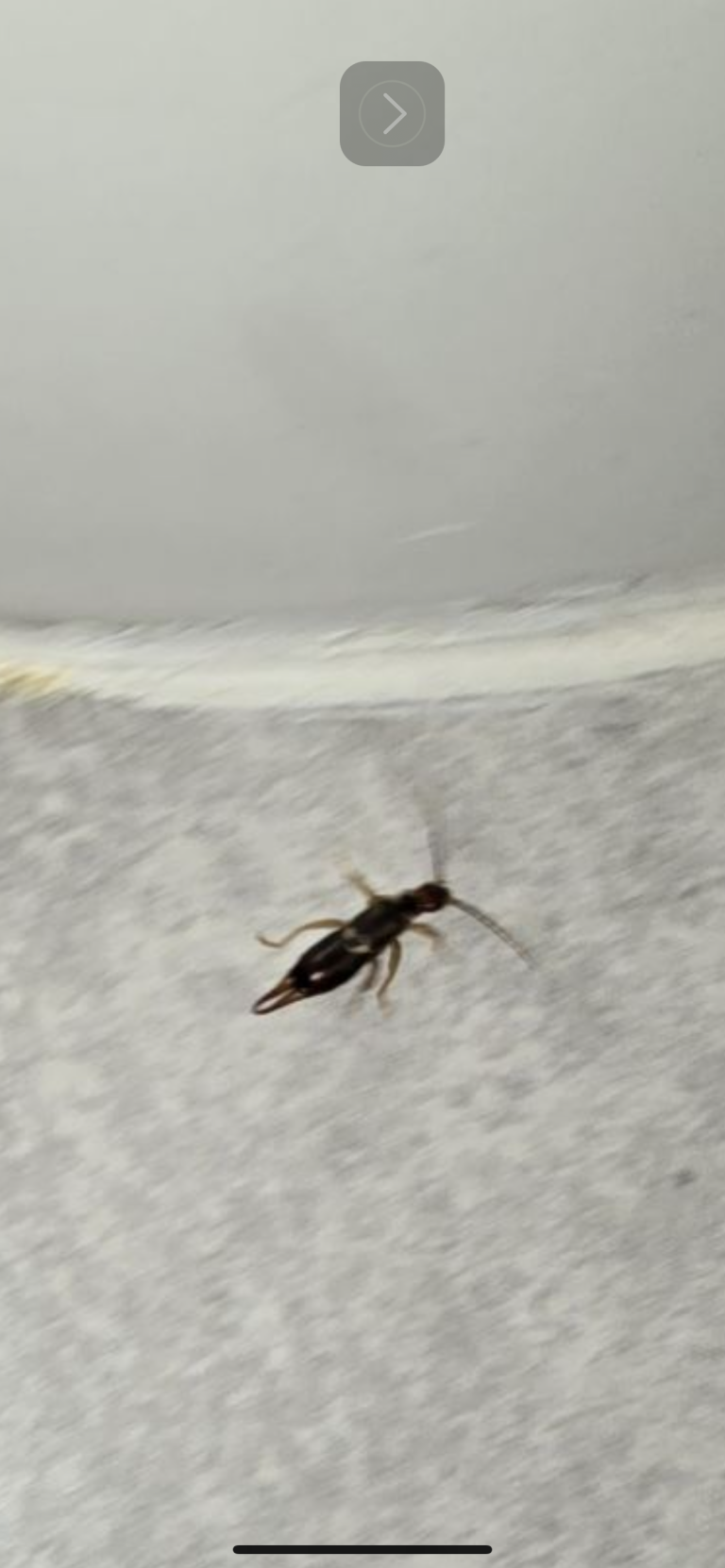
When: Summer
Insects with rear pincers that hide in damp mulch and come into bathrooms and basements.
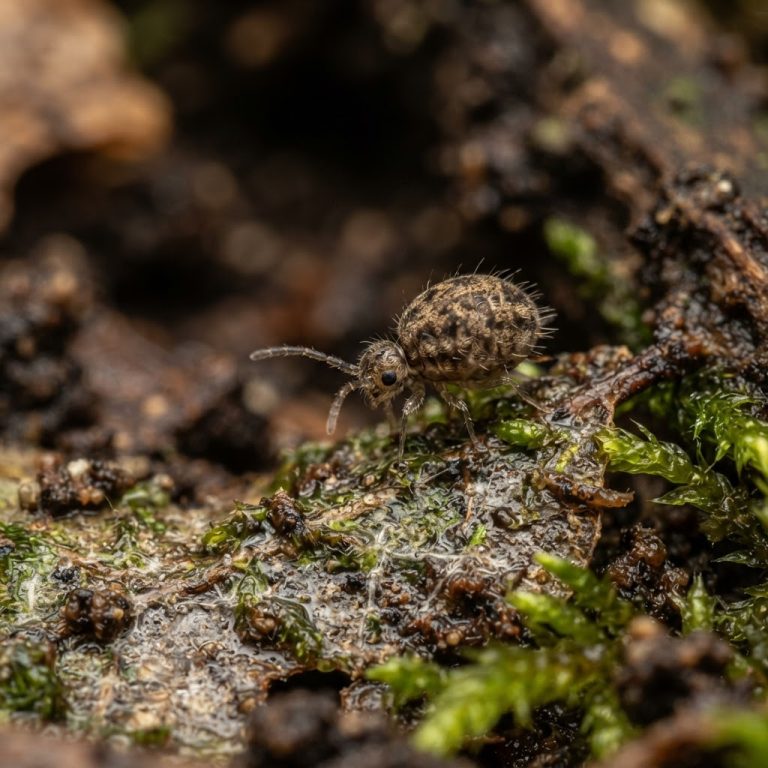
When: Spring through fall in damp spots
Tiny jumping insects that gather in damp basements, bathrooms, potted plants and new construction.

When: Fall and winter peak
Mice slip in through gaps about the width of a dime as the weather cools, then nest in walls and attics.
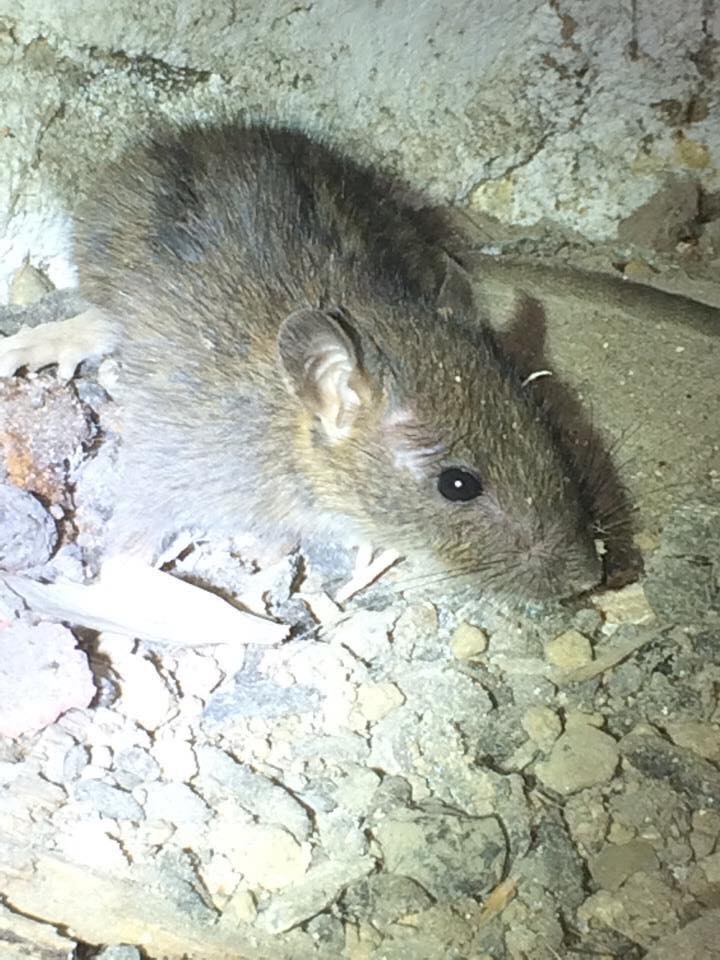
When: Year-round
Large rats that burrow along foundations and get in through gaps around pipes and doors.
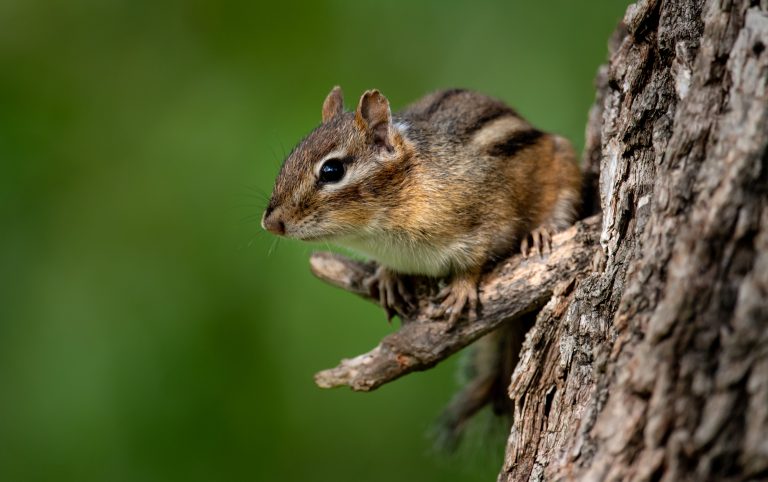
When: Spring through fall
They burrow next to foundations, patios and walkways and can get into garages and sheds.
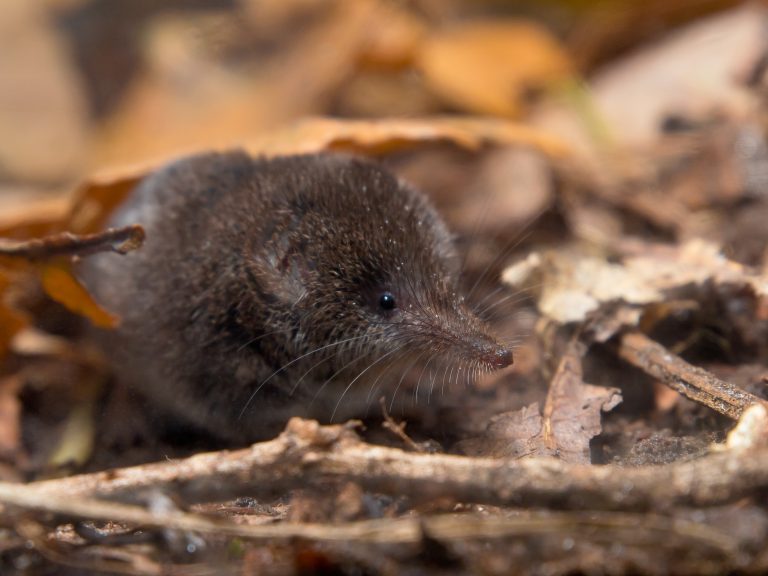
When: Year-round; damage shows in spring
Small mouse-like rodents that tunnel through lawns and gardens and chew roots and bark.
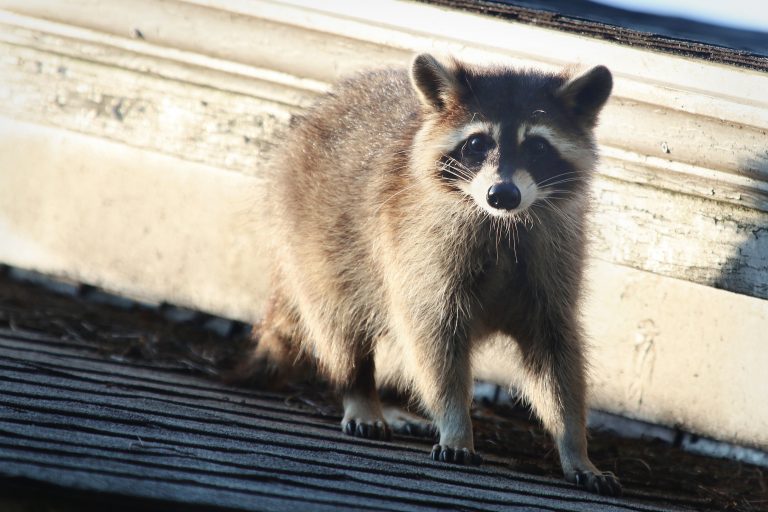
When: Year-round; den in spring
Strong climbers that tear into roofs, chimneys and attics, especially when raising young.
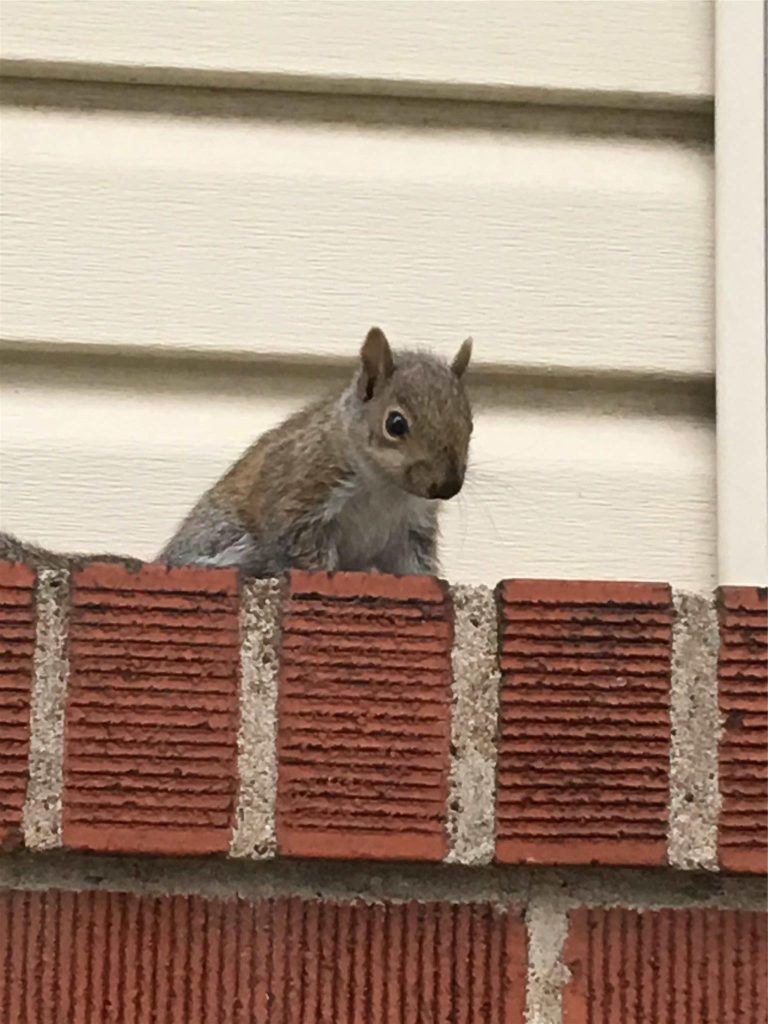
When: Fall and winter
They chew roof edges and vents to nest in attics, and can chew wiring.
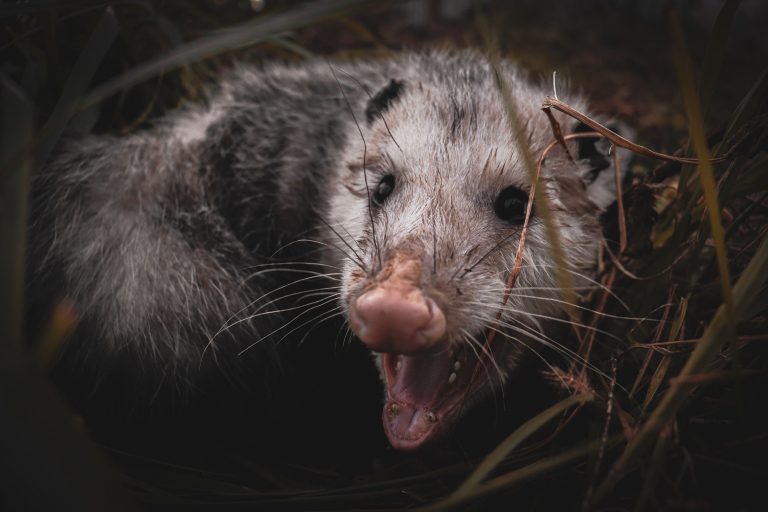
When: Year-round
They shelter under decks, sheds and porches and raid garbage and pet food.

When: Year-round; less active in winter
They dig under decks, sheds and foundations, and spray when cornered.
When: Spring through fall
Protected animals that roost in attics and walls. They must be excluded legally, not trapped.
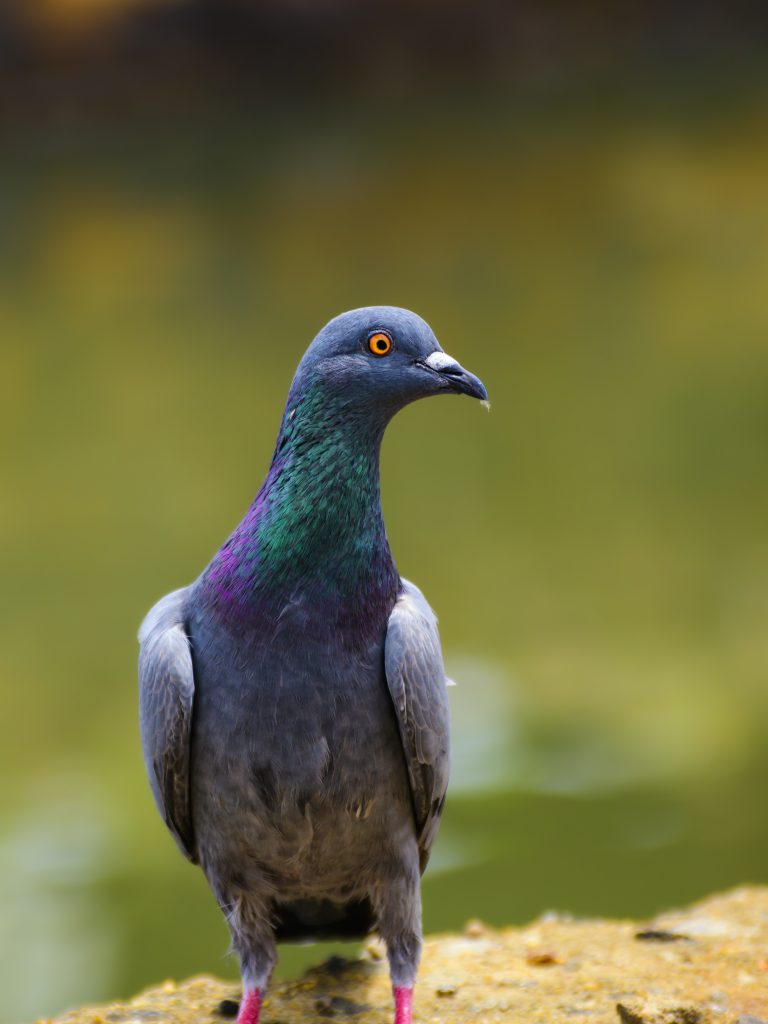
When: Year-round
They roost and nest on ledges, roofs and signs, leaving droppings that damage buildings.
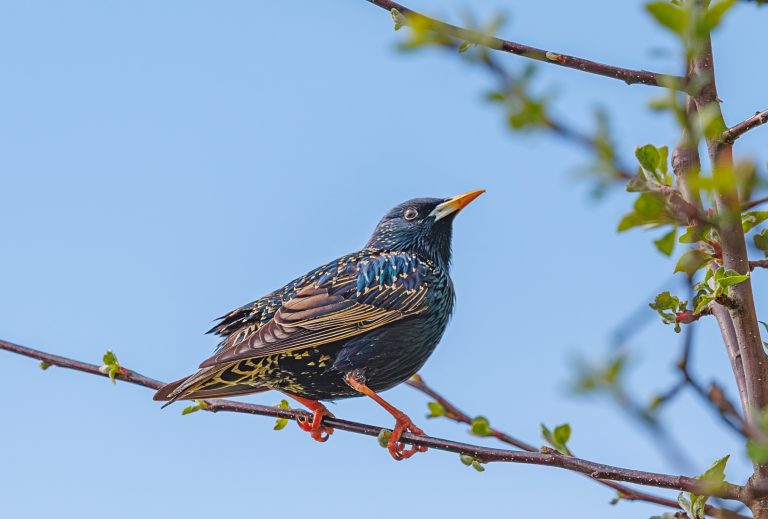
When: Spring nesting season
Birds that nest in dryer vents, exhaust vents and gutters, which can block airflow.
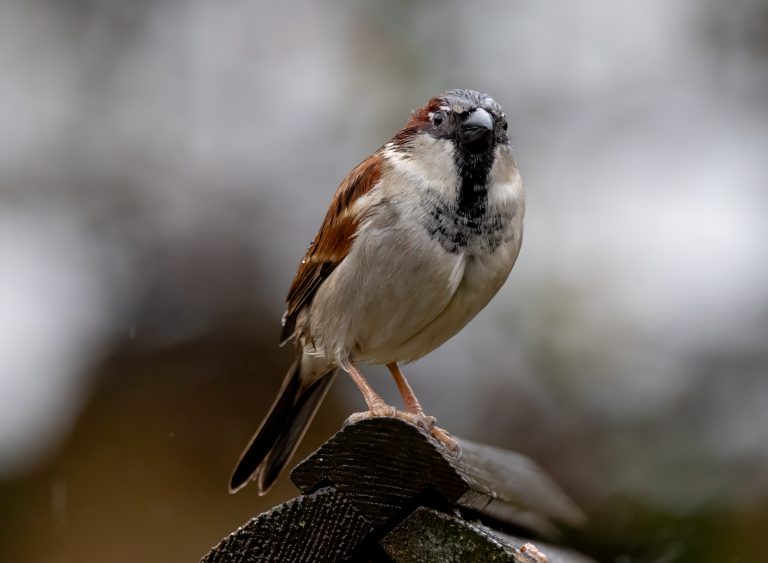
When: Year-round; nest in spring
Small birds that nest in dryer vents, exhaust vents, signs and gutters.
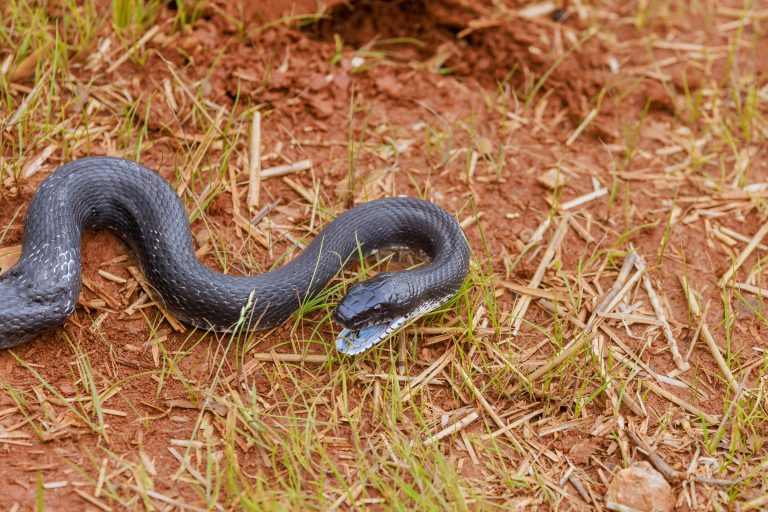
When: Spring through fall
Garter snakes and eastern rat snakes are common and harmless, and often follow mice into basements.
Snap a clear photo and text it to us. We’ll tell you what it is, whether it’s a problem, and what to do next.
Take a clear photo and text it to 973-510-2585. We’ll tell you what it is and whether it needs treatment.
Mice, cockroaches, ants, bed bugs and stinging insects are the calls we get most. Mice and stink bugs move indoors in fall, and termites and carpenter ants are most active in spring.
Sí. Envíenos una foto del insecto o llámenos al 973-510-2585 y le atendemos en español.
Updated October 2026