Silver Bullet Pest Control logoSilver Bullet Pest Control
Cockroach Exterminator · North Jersey

Cockroach Exterminator in North Jersey

Roaches in the kitchen at night, a big "water bug" by the basement drain, or roaches coming through the wall from the apartment next door? Silver Bullet Pest Control finds where they're breeding and treats the colony with gel baits and a growth regulator — for homes, apartment buildings and restaurants across Bergen, Passaic, Essex and Hudson counties.

Featured on Telemundo 47 • EPA Pesticide Safety Certified • 5-Star Google Rated • NJ License 90568B

Text us a photo of the roach — we'll tell you which kind it is and what it takes.

  • ✓ Same-day appointments often available
  • ✓ Licensed & insured in NJ
  • ✓ Homes & businesses
  • ✓ English & Español

How do you get rid of cockroaches for good?

You get rid of cockroaches for good by treating the places they breed — with gel bait they eat and carry back, plus an insect growth regulator (IGR) that stops young roaches from becoming adults that lay eggs — and then cutting off the water, food and gaps that let them return. Sprays and bug bombs mostly kill the roaches you see and push the rest deeper into walls. A licensed exterminator first figures out which roach you have, because German roaches, American roaches and Oriental roaches live in different places and need different treatment. Silver Bullet Pest Control treats roaches in homes, apartments and restaurants across North Jersey, with a 90-day warranty on roach treatment. Call 973-510-2585.

How much does roach control cost?

A Silver Bullet roach inspection costs $65 for one apartment, and the treatment is priced after we see how big the problem is. Roach treatment comes with a 90-day warranty: if roaches come back in the treated home within 90 days, we re-treat at no charge.

ServicePriceDetails
Roach inspection, 1 apartment$65Finds the species and where they breed
Roach treatmentAfter inspectionGel bait + growth regulator, 90-day warranty
Extensive residential treatment$750Heavier, multi-pest problems

Apartment buildings may need neighboring units treated, which changes the price. See every Silver Bullet price. Book and pay online.

Which cockroach do you have?

Three roaches cause almost every call we get in North Jersey. Knowing which one you have tells us where to look and how to treat.

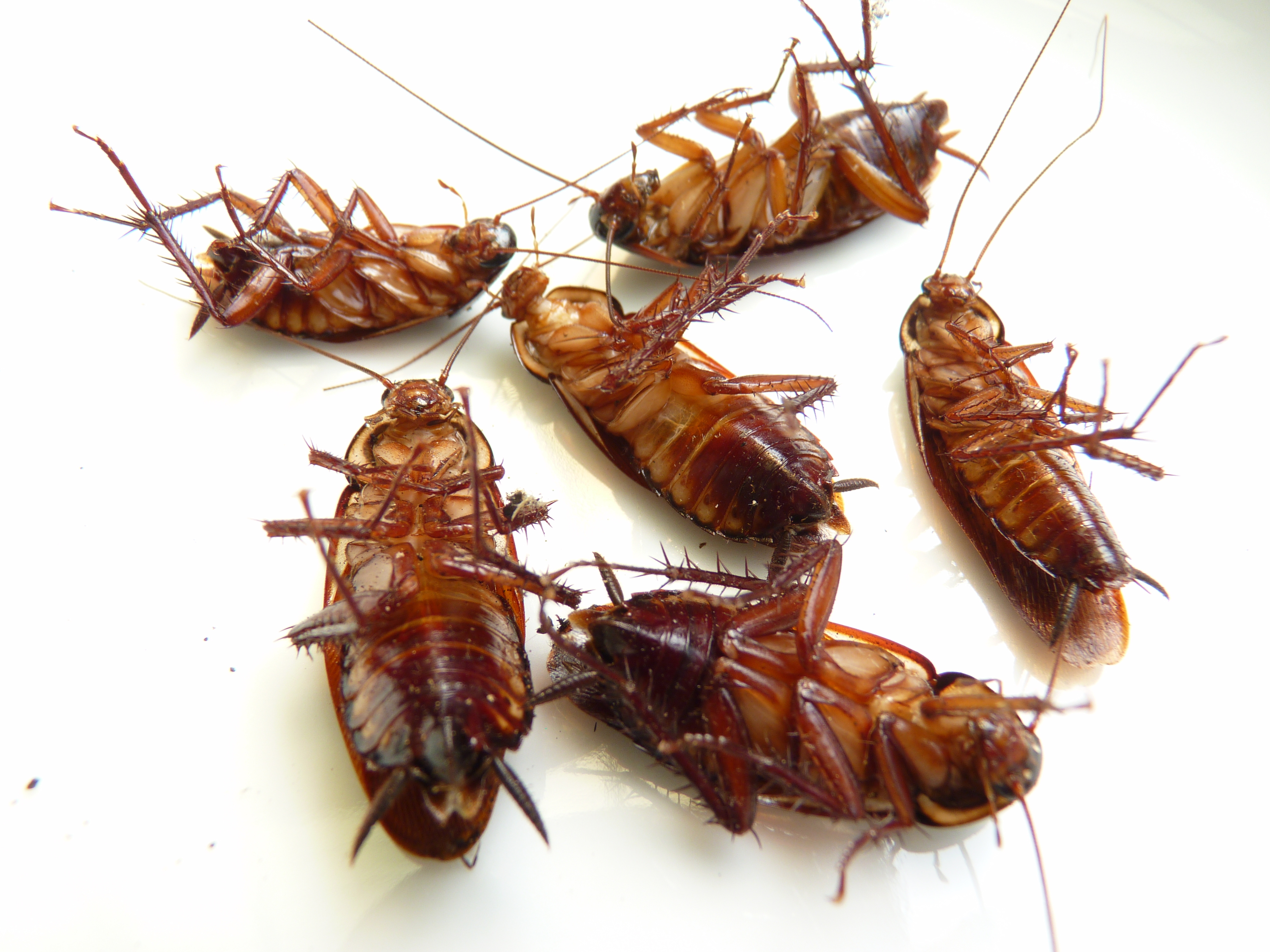
Close-up of several small cockroaches on a light surface
Most common indoors

German Cockroach

  • About half an inch long, light brown
  • Two dark stripes behind the head
  • Black specks like pepper in cabinets and drawers
  • Seen in the daytime when numbers are high

The roach of kitchens and bathrooms. It lives indoors year-round, breeds fast and spreads through shared walls in apartment buildings. This is the one that almost always needs a professional baiting program and a follow-up.

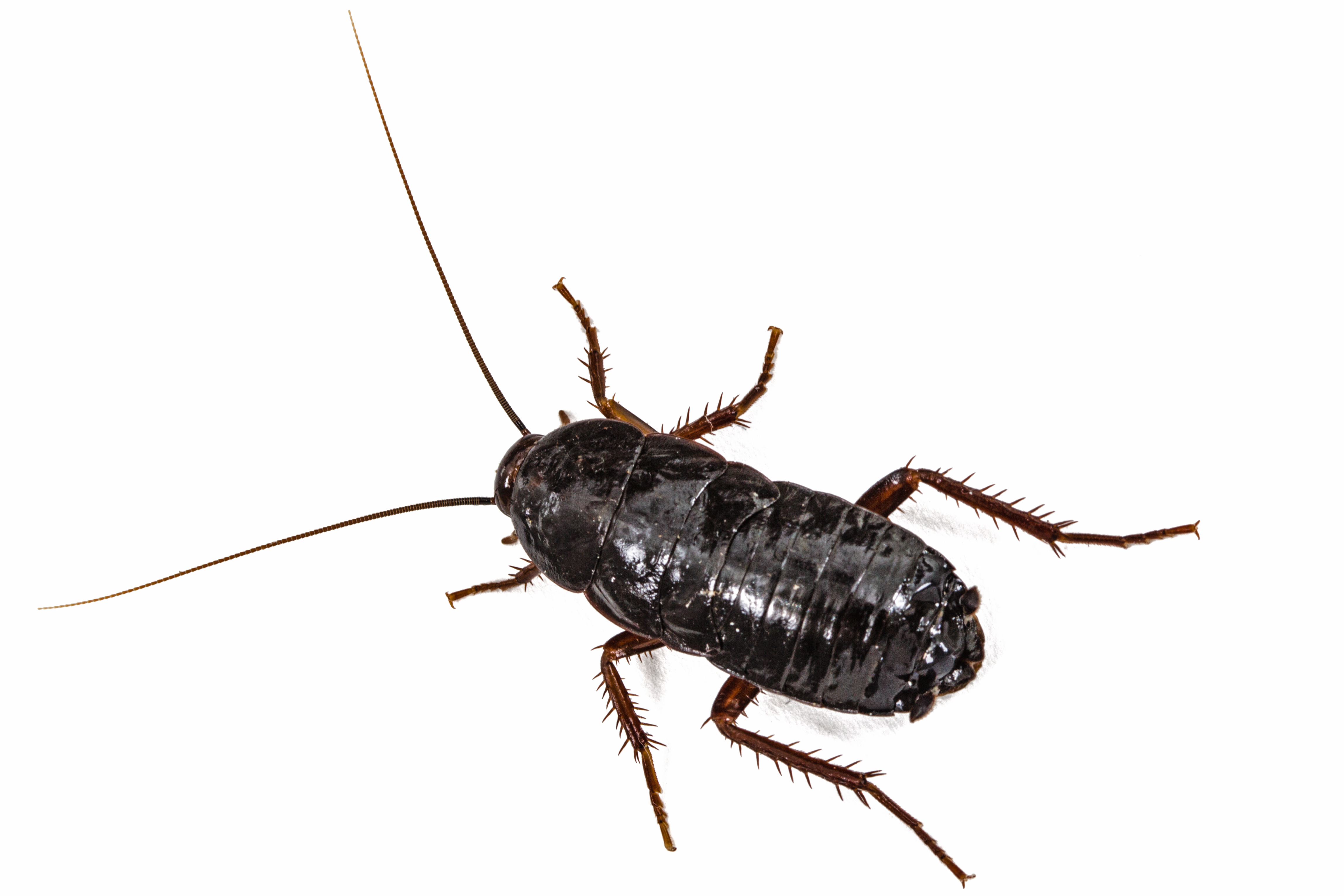
Dark shiny cockroach shown against a white background
Damp spots

Oriental Cockroach

  • About an inch long, shiny dark brown to black
  • Slow-moving, often on basement floors
  • Musty smell where they gather
  • Females have no real wings

A cool-weather roach that loves wet places: crawl spaces, floor drains, leaky basements and mulch beds next to the house. Fixing the moisture is half the job.

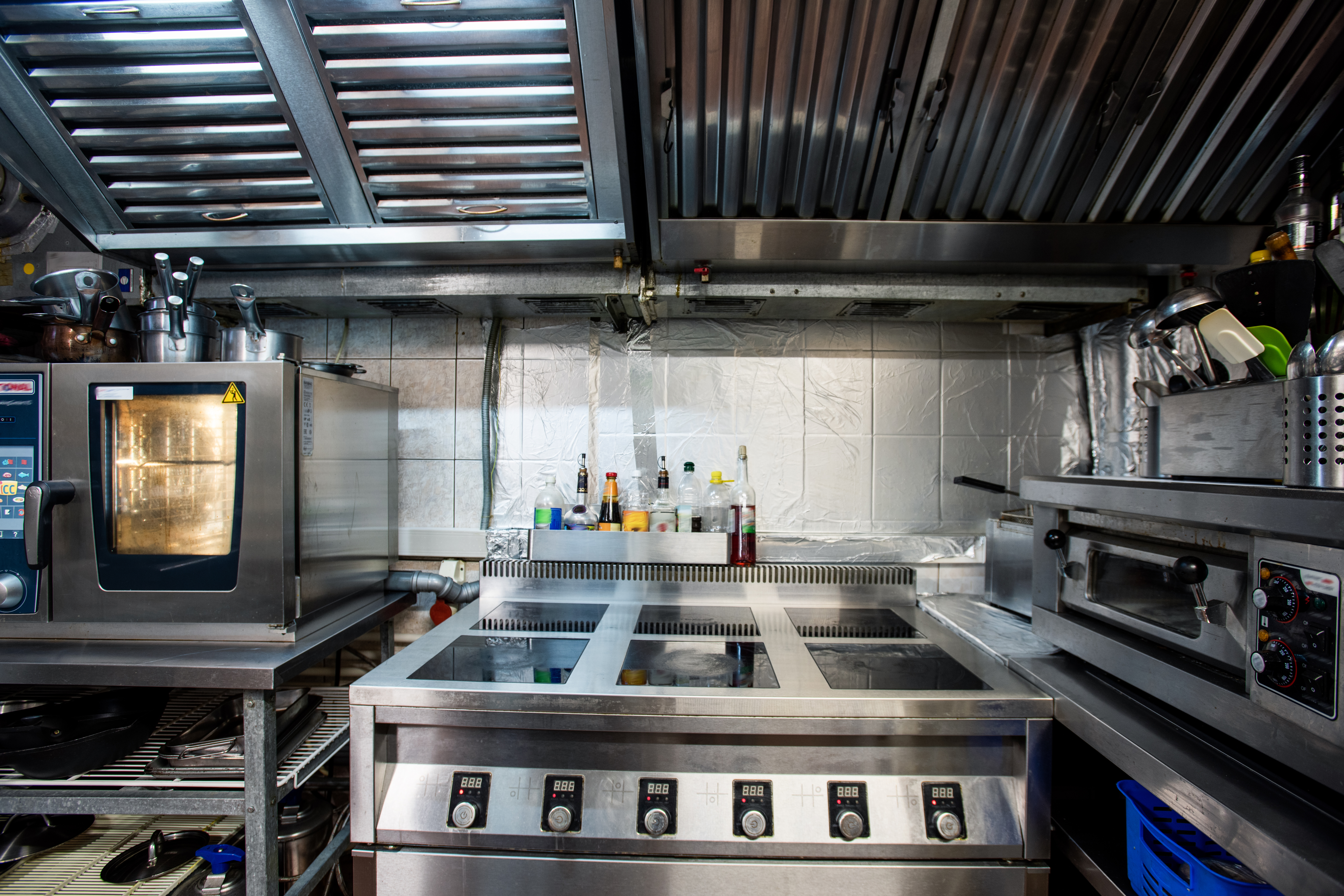
Commercial restaurant kitchen with stainless steel equipment
Basements & kitchens

American Cockroach

  • Big — an inch and a half or more
  • Reddish-brown with a light band behind the head
  • Comes up from floor drains and boiler rooms
  • Can fly short distances in hot weather

The largest roach you'll see in New Jersey. It usually lives in sewers and drain lines and shows up in basements, laundry rooms and commercial kitchens, especially in summer.

German vs. American vs. Oriental roaches

Use this table to narrow it down — or just text us a photo at 973-510-2585.

GermanAmericanOriental
SizeAbout 1/2 inch1 1/2 inches or moreAbout 1 inch
ColorTan with two dark stripesReddish-brownDark brown to black, shiny
Where you see itKitchen cabinets, behind the fridge and stove, under sinks, bathroomsBasements, floor drains, boiler rooms, commercial kitchensDamp basements, crawl spaces, around drains and outside walls
Lives mostlyIndoors, all yearIn sewers and drains, comes inOutdoors and in wet areas, comes in
What it usually meansAn indoor colony that's breeding — act fastAn opening from a drain, sewer or the outsideA moisture problem plus a way in
Treatment focusGel bait, IGR, crack-and-crevice work, follow-up visitDrains, basement, outside perimeter, sealingMoisture, outside perimeter, basement, sealing

Small roaches in a kitchen are almost always German roaches. A single huge roach in the basement in July is almost always an American roach that came up from a drain — it's unpleasant, but it's a different problem from a German roach colony in your cabinets.

"Water bugs" — what they really are

When people in New Jersey say water bug, they almost always mean a big American roach or a dark Oriental roach. True water bugs are aquatic insects that live in ponds; the "water bugs" in a basement are cockroaches that like moisture.

These big roaches usually get in from below and outside: floor drains, sewer lines, sump pits, gaps around pipes, basement doors and window wells. In older homes and multi-family buildings with original plumbing and cracked basement floors, there are a lot of ways in. Hot, humid weather brings American roaches up; cooler, wet weather sends Oriental roaches looking for damp basements.

To stop them we treat the drain areas, basement and outside foundation line, and we show you where they're getting in — dry drain traps, missing drain covers, gaps around pipes, and leaks that keep the floor wet.

Quick tip: a floor drain or sink that's rarely used can dry out, which leaves an open path from the sewer. Running water into it now and then keeps the trap full.

More: how do those big roaches get in my house? · water bug removal and prevention tips.

Why we use gel bait and a growth regulator, not just spray

German roaches hide in cracks you can't see and breed faster than spray can keep up with. Our approach goes after the colony itself.

🎯

Gel bait in the cracks

Small dabs of bait go exactly where roaches hide — cabinet hinges, behind the stove and fridge, under sinks, around pipes. Roaches eat it, go back to the harborage and spread it to others.

🧬

Insect growth regulator (IGR)

An IGR stops young roaches from growing into adults that can breed. It's what breaks the cycle in a heavy German roach problem, because it hits the next generation, not just today's.

🔦

Crack-and-crevice and void treatment

Where needed we treat inside wall voids, under appliances and along plumbing lines — the hidden spaces where roaches spend most of their lives — instead of spraying open rooms.

📍

Monitors and follow-up

Sticky monitors show where activity is and whether it's dropping. Heavy and German roach jobs usually need a follow-up visit to catch roaches that hatch after the first treatment.

How a roach job works, start to finish

1

Call or text a photo

Tell us where you're seeing roaches, how many and for how long. A photo lets us confirm the species before we arrive.

2

Inspection

We check appliances, cabinets, plumbing, bathrooms, the basement and outside, and find where they're breeding — not just where you saw them.

3

Targeted treatment

Gel bait, IGR and crack-and-crevice work placed where roaches live. You get clear instructions on what to do and not do afterward.

4

Fix what's feeding them

We point out the leaks, gaps, grease and clutter that keep roaches coming back, and what to fix first.

5

Follow-up and warranty

We come back as planned to check and re-treat, and your roach treatment is covered by our 90-day warranty.

How to prepare for roach treatment

Good prep makes the treatment work faster. Your technician will give you instructions for your home, but this is what we ask for on most jobs:

  • Stop spraying. Store-bought sprays and foggers make roaches avoid bait. Don't use them before or after the visit.
  • Clear access under the kitchen and bathroom sinks and to the stove and refrigerator, so we can reach where roaches hide.
  • Clean up grease and crumbs on counters, stovetops and floors, and take out the garbage — less competing food means roaches eat more bait.
  • Cut the clutter. Cardboard boxes, paper bags and stacks of newspapers give roaches places to hide and breed.
  • Fix drips under sinks and around the dishwasher when you can — roaches need water every day.
  • Don't wipe off bait placements after we leave. They're small and placed in cracks on purpose.

Need it in writing for a tenant or a building? See our roach and bed bug prep sheets.

Skip the bug bomb. Foggers don't get into the cracks where roaches live and can scatter them into other rooms or the apartment next door. Read why roach bombs are a bad idea.

Roaches in apartments and multi-family buildings

A lot of North Jersey housing is two-families, three-families and older apartment buildings with shared walls, shared plumbing and shared basements. German roaches travel along pipes and through gaps behind cabinets, so treating one unit while the units around it stay infested usually means they come right back.

For landlords and property managers, we inspect the affected unit plus the units next to, above and below it, and treat common areas like basements, trash rooms and laundry rooms. Tenants get prep instructions in plain language — and we speak Spanish.

Who has to pay for and arrange roach treatment in a rental depends on the lease, the type of building and local rules, and those rules can change. Check with your town's code enforcement office or the NJ Department of Community Affairs if you're unsure. Either way, reporting roaches early keeps the problem — and the cost — smaller.

We also help with what often shows up in the same buildings: bed bugs and mice and rats.

Roach control for restaurants, delis and food businesses

🍳

Kitchens & prep areas

Warm equipment, drains and dish areas are where German roaches settle. We treat behind and under equipment, motor housings and wall gaps without spraying food areas.

📦

Deliveries & storage

Roaches ride in on cardboard and produce boxes. We check receiving and dry storage and help set up habits that keep new roaches from getting a start.

🗓️

Scheduled service

Regular visits keep a kitchen inspection-ready, with written records after every visit you can show a health inspector.

🌙

After-hours visits

We can work around your hours so treatment doesn't disrupt service. See commercial kitchen pest control.

Get a Roach Treatment Quote

Tell us where you're seeing roaches and what kind of property it is. A photo helps us identify them fast.

Why people call us about roaches

  • Small roaches in kitchen cabinets or the bathroom
  • Big "water bugs" coming up from basement drains
  • Roaches spreading between apartments
  • A restaurant or deli that needs to stay inspection-ready
  • Store-bought sprays and bombs stopped working
📞 Call 973-510-2585

Request Service

🔒 Your info stays private · Hablamos español.

What's bugging you? - Step 1 of 3

Cockroach Exterminator FAQ

How do I know if I have a roach infestation?

Look for pepper-like droppings in cabinets and drawers, small brown egg cases, a musty smell and roaches out during the day. Daytime roaches usually mean the population is already large.

Can I get rid of German roaches myself?

Sometimes a very small problem can be knocked down with store-bought bait, but German roaches breed so fast that most infestations need professional gel bait, a growth regulator and a follow-up visit.

What is a water bug?

In New Jersey homes, a "water bug" is almost always a large American roach or an Oriental roach. They like moisture and usually come in from drains, sewers and damp basements.

Why do I see big roaches in my basement?

Big roaches usually come up through floor drains, sewer lines, sump pits and gaps around pipes, especially in hot weather. Dry drain traps and leaks make it easier for them.

Why do you use gel bait instead of spraying?

Gel bait goes into the cracks where roaches actually live, and roaches carry it back to others. Sprays mostly kill the roaches you can see and can make the rest avoid bait.

What does an IGR do?

An insect growth regulator stops young roaches from growing into adults that can breed, which breaks the cycle in heavy infestations.

Do you offer a warranty on roach treatment?

Yes. Roach treatment from Silver Bullet Pest Control comes with a 90-day warranty.

How many visits does it take to get rid of roaches?

Light problems may need one visit, but German roach and heavy infestations usually need a follow-up to catch roaches that hatch after the first treatment.

Do I have to leave my home during roach treatment?

Usually not for gel bait work. Your technician will tell you if any part of the treatment needs you, kids or pets out of the area for a while.

Can roaches come from my neighbor's apartment?

Yes. German roaches move along pipes and through gaps in shared walls, which is why we inspect nearby units and common areas in multi-family buildings.

Do you treat restaurants for roaches?

Yes. We treat restaurants, delis, bodegas and other food businesses with scheduled service and written records after each visit.

¿Fumigan cucarachas en apartamentos y restaurantes?

Sí. Tratamos cucarachas en casas, apartamentos y restaurantes, y el tratamiento tiene garantía de 90 días. Llame o mande texto al 973-510-2585.

How much does roach control cost?

A Silver Bullet roach inspection costs $65 for one apartment, and the treatment is priced after we see how big the problem is. Roach treatment comes with a 90-day warranty: if roaches come back in the treated home within 90 days, we re-treat at no charge.
Roach exterminator near you

Based in Garfield, we treat roaches in these towns and across Bergen, Passaic, Essex and Hudson counties.

Updated October 2026 by the Silver Bullet Pest Control team, Garfield, NJ • NJ License 90568B

Scroll to Top