Silver Bullet Pest Control logoSilver Bullet Pest Control
Flea & Tick Control · North Jersey

Flea and Tick Exterminator in New Jersey

Itchy pets, bites around your ankles, or a deer tick on your kid after playing outside? Silver Bullet Pest Control treats fleas inside homes and apartments and ticks and fleas out in the yard across Bergen, Passaic and Essex counties — and every flea service includes a revisit 10 to 14 days later.

Featured on Telemundo 47 • EPA Pesticide Safety Certified • 5-Star Google Rated • NJ License 90568B

Text us a photo of the bug — fleas, ticks and bed bugs are easy to mix up.

  • ✓ Same-day appointments often available
  • ✓ Licensed & insured in NJ
  • ✓ Homes & businesses
  • ✓ English & Español

How do I get rid of fleas and ticks for good?

To get rid of fleas for good, you have to treat the pets, the house and the yard at the same time and follow up after about two weeks, because flea pupae in carpets and furniture keep hatching after the first treatment. Your vet handles flea and tick prevention on the animals; a pest control company treats the floors, furniture, pet resting areas and the shady parts of the yard where fleas and ticks wait. Silver Bullet Pest Control does indoor flea treatments with a 10–14 day revisit included, plus yard tick and flea treatments, across Bergen, Passaic and Essex counties. Call or text 973-510-2585.

Signs of fleas — and where they come from

Fleas almost always ride in on an animal. Finding the source is half the job.

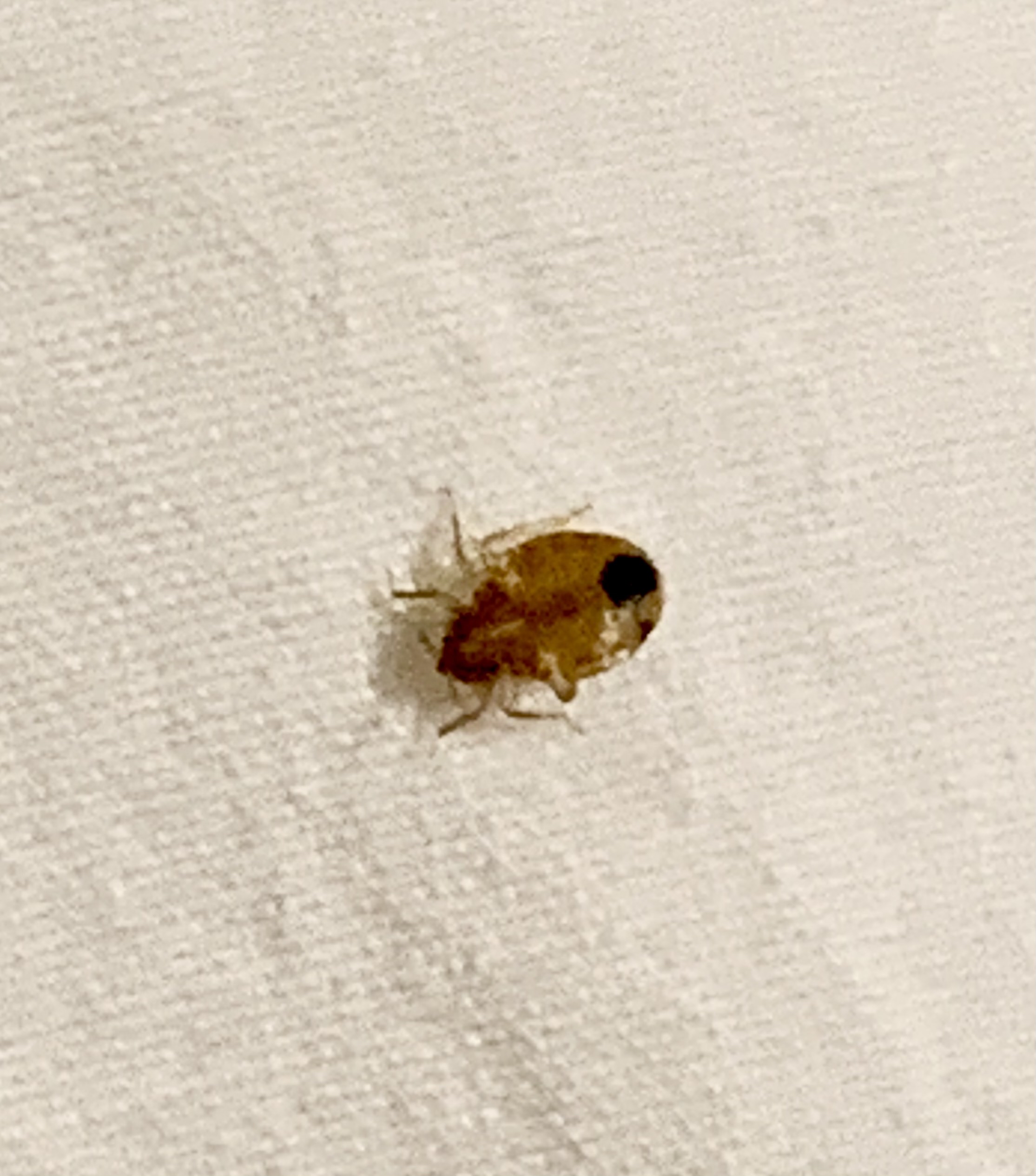
Bed bug on a bed sheet, an insect people often confuse with fleas
Flea or bed bug?

Bites Around the Ankles

  • Small, very itchy red bites, often in groups on ankles and lower legs
  • Bites after walking across carpet or sitting on the couch
  • Tiny dark insects that jump when you see them

Flea bites usually show up on the lower legs; bed bug bites more often appear on arms, neck and shoulders after sleeping. Fleas jump; bed bugs crawl. Not sure? Text us a photo, or see our bed bug page.

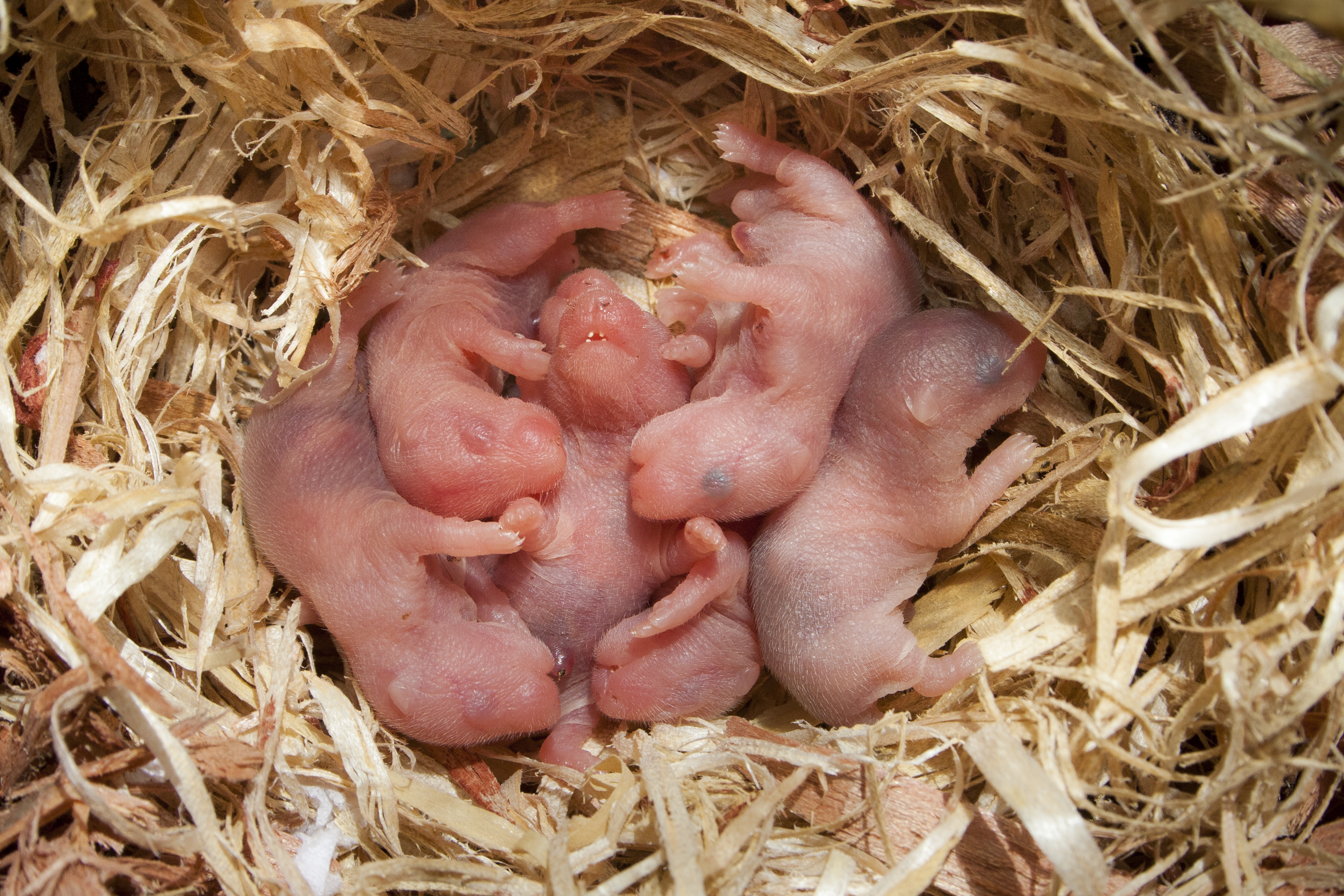
Rodent nesting material found inside a home
Rodents

Mice and Rats in the House

  • Fleas in a house with no pets
  • Droppings or nests in the basement, attic or walls
  • Flea activity near baseboards, closets or storage areas

Mice and rats carry fleas. When rodents die or move out, their fleas look for a new host — sometimes you. If you have fleas but no pets, rodents are one of the first things we check.

Raccoon found during a wildlife inspection by Silver Bullet Pest Control
Wildlife

Raccoons, Opossums and Stray Cats

  • Animals living under a porch, deck or shed
  • Flea activity near crawl spaces or the foundation
  • Pets picking up fleas in the backyard

Wildlife and stray cats drop flea eggs wherever they rest. Treating the house without dealing with the animal under the porch means the fleas keep coming back.

Why fleas come back: the flea life cycle

The fleas you see are only a small part of the problem. Most of the population is hidden in your floors as eggs, larvae and pupae:

StageWhere it livesWhy it matters
EggsLaid on the pet, then fall off into carpet, bedding, couch cushions and cracksWherever the pet sleeps or rests gets the most eggs
LarvaeDeep in carpet fibers, under furniture, in cracks between floorboards and in shady soil outsideThey avoid light and feed on debris, so they're hard to see and hard to reach
PupaeInside a sticky cocoon in carpets and upholsteryThe cocoon protects them from most treatments; they hatch when they sense vibration, warmth or a host walking by
AdultsOn pets (and sometimes people), biting and laying eggsFemales start laying eggs within a day or two of their first meal

That cocoon stage is why you may still see some fleas for a week or two after treatment — new adults hatch, contact the treated areas and die. It's also why our flea service includes a 10–14 day revisit: to catch the next wave before it can lay eggs.

Ticks in New Jersey and the risks they carry

Several kinds of ticks are common in North Jersey yards, parks and wooded edges:

TickWhat it looks likeWhy it matters
Blacklegged (deer) tickSmall and dark; nymphs are about the size of a poppy seed, adult females are reddish-orange with a dark shieldThe main carrier of Lyme disease in New Jersey, plus other tick-borne illnesses
Lone star tickReddish-brown; adult females have a single white spot on the backSpreading in New Jersey; aggressive biter and linked to several illnesses
American dog tickLarger, brown with white or cream markingsCommon on dogs and in grassy areas; can carry disease

Tick nymphs are most active from late spring into summer, and that's when most Lyme infections happen because the nymphs are so hard to spot. Adult ticks are active in fall and even on warm winter days. Ticks don't jump or fly — they wait on grass, leaves and brush and grab on as you walk past.

How our flea service works

1

Inspection

We find where fleas are concentrated — pet beds, favorite couch spots, carpet edges, basements — and look for sources like rodents or wildlife.

2

Indoor treatment

We treat carpets, rugs, under furniture, baseboards and pet resting areas with products that kill adult fleas and stop eggs and larvae from developing.

3

Yard treatment if needed

If pets spend time outside or animals live under the porch, we treat the shady spots in the yard where fleas wait.

4

10–14 day revisit

Every flea service includes a revisit 10 to 14 days later to treat the fleas that hatch from cocoons after the first visit.

We'll ask you to keep pets and people off treated floors until they're dry and to work with your vet so the animals are treated the same week. Coordinated treatment is what actually breaks the cycle.

Prep checklist before a flea treatment

🧹

Vacuum everything

Carpets, rugs, under furniture, couch cushions, baseboards and the car if the pet rides in it. Empty the vacuum outside into a sealed bag.

🧺

Wash bedding

Wash pet beds, throw blankets and bedding on hot and dry on high heat. Leave washed items off the floor until the treatment is dry.

🐶

Call your vet

Get flea prevention for every dog and cat in the house before or on treatment day. Don't use flea products from the store without asking your vet first.

📦

Clear the floors

Pick up toys, shoes, laundry and anything stored under beds so we can reach the carpet and floor edges. Cover fish tanks and turn off the air pump.

After treatment, keep vacuuming every day or two for the next couple of weeks. The vibration helps flea pupae hatch so they hit the treated surfaces sooner.

Yard tick and flea treatment

Ticks and outdoor fleas live where it's shady, humid and protected. On a typical North Jersey lot, that means:

  • The edge where the lawn meets woods, brush, a hedge row or a stone wall
  • Leaf litter and ground cover like ivy and pachysandra
  • Under decks, porches and sheds, especially where animals rest
  • Shady spots where the dog likes to lie and along fence lines

We treat those zones rather than blanketing the whole lawn, since that's where ticks and fleas actually are. You can help by keeping the grass short, raking leaves away from the lawn edge, keeping play sets and patios away from the woods, and stacking firewood off the ground.

Want a lower-impact option? We offer a botanical-based organic mosquito, tick and flea service. Fighting mosquitoes too? See mosquito control.

Tick bites, flea bites and your health

We're pest control, not doctors or vets, so here's the short version — and when to call a professional who is:

  • Do a tick check after time in the yard, the park or the woods — behind the knees, waistband, armpits, scalp and behind the ears for kids. Check pets too.
  • If you find a tick attached, remove it promptly with fine-point tweezers, grasping close to the skin and pulling straight out. Clean the area and save the tick in a bag if you can.
  • See a doctor if you get a rash, fever, aches or feel unwell in the weeks after a tick bite, or if you're worried about a bite at all.
  • Flea bites usually just itch, but call your doctor if they look infected or someone has a strong reaction.
  • For pets, ask your vet about flea and tick prevention and about any illness after a tick bite. Pets with heavy flea loads can develop skin problems and other issues your vet should check.

Never use dog flea products on a cat, and don't combine store-bought flea products without your vet's okay. Some can make pets very sick.

Get a Flea or Tick Treatment Quote

Tell us whether it's fleas, ticks or both, whether you have pets, and if it's a house, apartment or yard — we'll get back to you quickly.

Why people call us about fleas and ticks

  • Itchy pets even after flea medicine
  • Bites around the ankles after walking on carpet
  • Fleas in an apartment you just moved into
  • Ticks on the kids or the dog after playing in the yard
  • Animals living under the porch or deck
📞 Call 973-510-2585

Request Service

🔒 Your info stays private · Hablamos español.

What's bugging you? - Step 1 of 3

Flea & Tick Control FAQ

How do I know if I have fleas in my house?

Common signs are itchy, scratching pets, small itchy bites around your ankles, and tiny dark insects that jump. Pet beds with black specks (flea dirt) are another clue.

Why do I still see fleas after treatment?

Flea pupae in their cocoons survive the first treatment and keep hatching for a week or two. That's normal, and it's why our flea service includes a 10–14 day revisit.

Is a revisit included with flea treatment?

Yes. Every flea service includes a revisit 10 to 14 days after the first treatment.

Do I need to treat my pets too?

Yes. Fleas live on pets as well as in the house, so ask your vet for flea prevention for every dog and cat the same week we treat.

Why do I have fleas if I don't have pets?

Usually rodents or wildlife — mice, rats, raccoons, opossums or stray cats — brought them in, or a previous tenant's pet left them behind in an apartment.

Where do ticks live in my yard?

At the edges: where lawn meets woods, brush or stone walls, in leaf litter and ground cover, and in shady spots under decks. Short, sunny lawns have far fewer ticks.

Can you treat for deer ticks?

Yes. Our yard treatments target the shady edges and leaf litter where blacklegged (deer) ticks wait. Combine treatment with tick checks and your vet's prevention for pets.

Should I see a doctor after a tick bite?

See a doctor if you get a rash, fever or flu-like symptoms after a tick bite, or if you're unsure. We can treat the yard, but medical questions belong with your doctor.

Is flea treatment safe for pets and kids?

We apply treatments by the label and ask that people and pets stay off treated areas until they're dry. We'll go over the details before we start.

Do you offer flea and tick control in Bergen County?

Yes. We're based in Garfield and treat homes and yards across Bergen, Passaic and Essex counties. Silver Bullet Pest Control is licensed in New Jersey (License 90568B).

¿Ofrecen tratamiento para pulgas y garrapatas?

Sí. Tratamos pulgas dentro de la casa y garrapatas en el patio, con una visita de seguimiento a los 10–14 días. Hablamos español — llame al 973-510-2585.

Flea and tick control near you

Based in Garfield, we treat homes and yards in these towns and across Bergen, Passaic and Essex counties.

Updated October 2026 by the Silver Bullet Pest Control team, Garfield, NJ • NJ License 90568B

Scroll to Top