
 Silver Bullet Pest Control
Bat Removal & Exclusion in North Haledon, NJ
A bat loose in the bedroom, chirping in the attic, or bats leaving the roofline at dusk? We answer day and night, take single bats out of the living space humanely, and remove attic colonies with one-way exclusion and sealing, timed around New Jersey’s bat pup season.
Featured on Telemundo 47 • EPA Pesticide Safety Certified • 5-Star Google Rated • NJ License 90568B
Don’t touch the bat. Close the door to that room, keep pets out and call us. We’ll stay on the phone with you if you need us.
- ✓ Same-day appointments often available
- ✓ Licensed & insured in NJ
- ✓ Homes & businesses
- ✓ English & Español
Who handles emergency bat removal in New Jersey?
Silver Bullet Pest Control handles 24/7 emergency bat removal and bat exclusion across North Jersey: call 973-510-2585 day or night (NJ License 90568B, licensed by the NJ Division of Fish and Wildlife). If a bat is inside your living space, close the door to that room, keep people and pets out, and don’t touch it; we capture it humanely and look for how it got in. For bats living in an attic or wall, we install one-way exclusion devices so the bats can fly out but not back in, then seal the gaps, and bat exclusion comes with a 5-year warranty. Full exclusion waits while flightless pups may be in the roost in early to mid summer. If anyone may have touched the bat, or it was in a room where someone was sleeping, call your local health department or doctor. Hablamos español.
A bat is in the house right now: what to do
Most bats that get into a living space are lost, not aggressive. These steps keep everyone safe until we get there.
Stay calm and don’t touch it
Never pick up a bat with bare hands, even if it looks dead or hurt. Bats can carry rabies, and a bite can be too small to notice.
Close it in one room
Get people and pets out, close the door and put a towel along the gap at the bottom so the bat stays in that room.
A window, only if no contact
If the room has a window to the outside and nobody had contact with the bat, a window may let it leave on its own. If there was any possible contact, keep the window shut so the bat can be tested.
Call 973-510-2585
Tell us where the bat is and whether anyone may have touched it or was asleep in the room. We’ll tell you what to do until we arrive.
Note where it was
Where you first saw the bat helps us find how it got in: an attic door, a basement, a fireplace or an air conditioner gap.
Signs you have bats in your house
Bats squeeze through gaps about 3/8 of an inch wide. These are the three situations behind most of the bat calls we get.
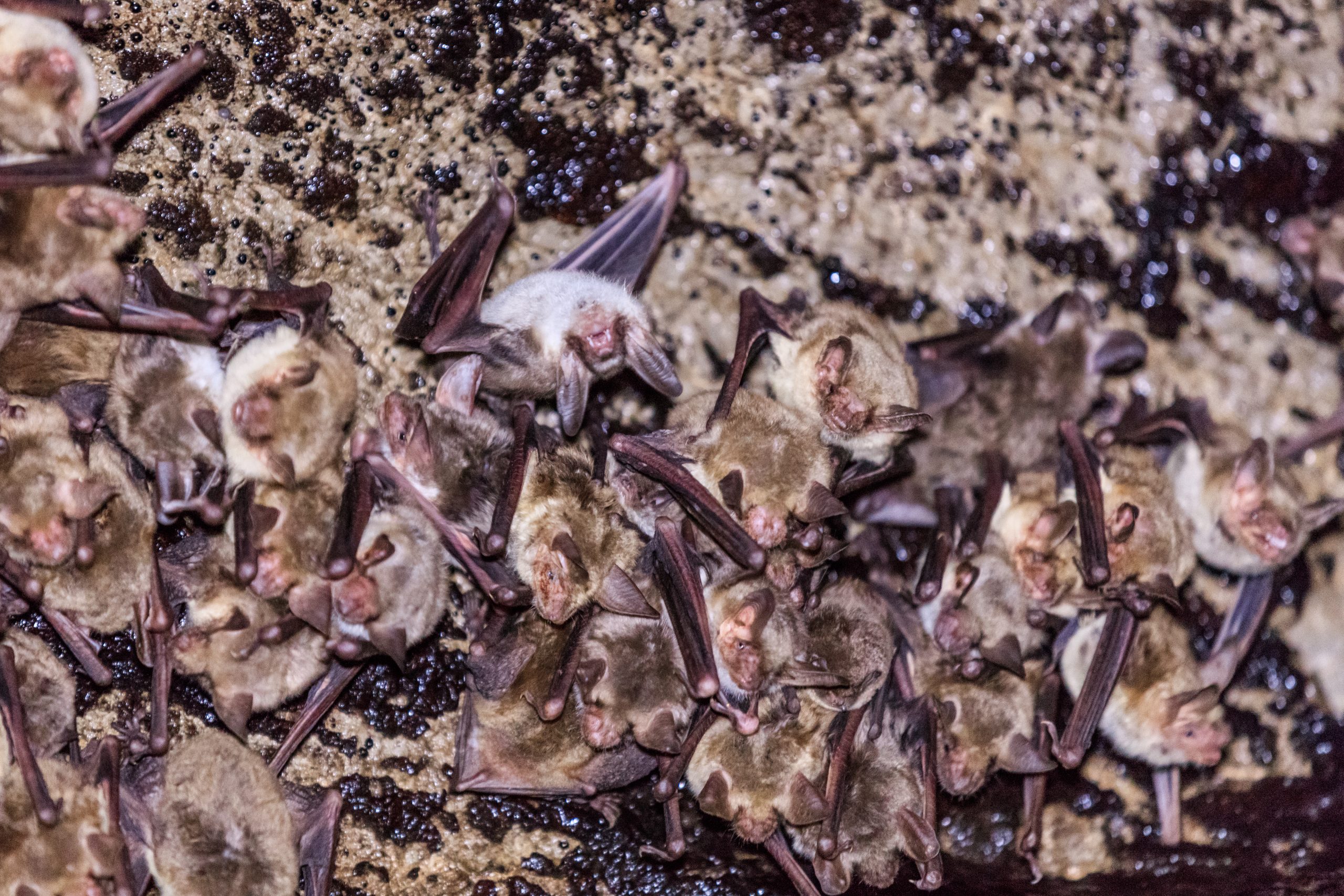
A bat inside the house
- A bat flying in a bedroom, hallway or stairwell
- A bat clinging to a curtain, wall or ceiling
- A bat found in a basement or apartment
This is the emergency call. One bat inside often came in from a roost somewhere in the same building, so after we take it out we look for the roost and the gap it used.

Bats roosting in the attic
- Scratching, chirping or fluttering above the ceiling around dusk
- Bats leaving the roofline or a gable vent at sunset
- Dark, greasy rub marks around small gaps
In New Jersey the big brown bat is the bat we find most often in attics and walls. A small group can grow into a larger colony over a few summers if the entry points stay open.
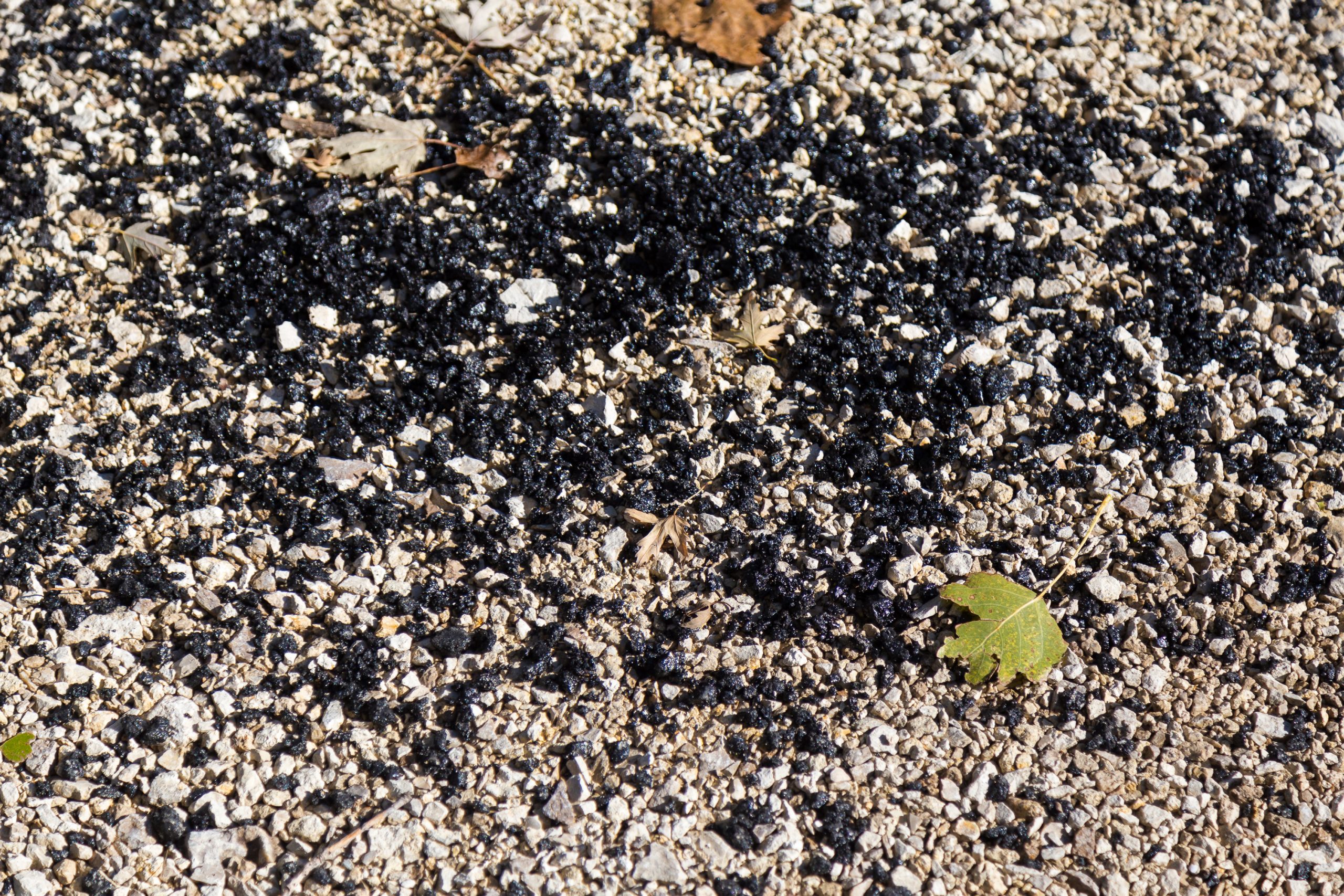
Droppings and a musky smell
- Small dark droppings that crumble when crushed
- Droppings piling up under a vent or on the attic floor
- A strong, musky smell in an attic or wall
Guano under a roost is often the first thing homeowners notice. It tells us where the bats are living and where to look for the opening they use.
Why bats move into North Jersey homes
Bats need a warm, dark, quiet place close to food, and an attic gives them all three. Around our Garfield base and across Bergen, Passaic, Essex and Hudson counties, a lot of the housing is older: two-family homes, Cape Cods, colonials and brick multi-family buildings where wood trim has shrunk, flashing has pulled loose and vent screens have rusted through. Each of those gaps can be a bat door.
Bats feed on flying insects, and insects are thick over rivers, ponds, parks and wetlands on summer evenings. Homes near water and open green space tend to see more bat activity, but we take bat calls from every kind of neighborhood, from Garfield and Clifton to Hackensack, Fair Lawn and Paterson.
What we see most often on North Jersey roofs:
- Ridge vents and gable vents with missing or damaged screens.
- Gaps where the roof meets the chimney, especially where the flashing has lifted.
- Soffit and fascia gaps where boards have warped or a gutter has pulled the trim away.
- Dormers and roof-to-wall joints on homes with additions.
- Air conditioner sleeves and window units that leave a gap into the living space.
Sealing these the right way is what stops bats from coming back. See how bats get into a house.
Common bat entry points and how we seal them
| Entry point | What we look for | How it gets sealed |
|---|---|---|
| Ridge vent | Bats crawling in at the ends or under loose vent sections | Vent ends closed with screening; damaged sections secured |
| Gable vent | Torn or missing screen, rub marks, droppings below | Exclusion device first, then a new heavy screen |
| Chimney flashing | Gaps where the flashing has lifted from the brick | Exclusion first, then the gap is closed; chimney cap if needed |
| Soffit & fascia | Warped boards, gaps behind gutters, stains | Gaps closed with materials suited to the trim |
| Roof-to-wall joints & dormers | Openings where two roof planes or a wall meet | Gaps sealed along the joint |
| Window AC & wall sleeves | Gaps around the unit into the room | Gaps closed around the unit |
Every active opening gets a one-way exclusion device before it is sealed. Sealing an active gap without one can trap bats inside, where they die in the walls or find their way into the living space.
Bat removal or bat exclusion: which one do you need?
| Single bat removal | Colony exclusion | |
|---|---|---|
| Situation | One bat loose in the living space | Bats living in the attic, walls or roofline |
| When it can be done | Any time of year, day or night | Mainly late summer and fall; not while flightless pups are in the roost |
| What we do | Humane capture, check for a roost and the entry point | Inspection, one-way devices on active gaps, sealing of every other gap |
| How long it takes | Usually one visit | Several visits: install devices, wait for bats to leave, remove devices and seal |
| Warranty | — | 5-year warranty on bat exclusion |
Not sure which you have? One bat in winter or spring often means a roost somewhere in the house. Read the difference between removal and exclusion.
New Jersey bat season: when exclusion can be done
New Jersey has protected bat species, including the Indiana bat and the northern long-eared bat, so exclusion follows NJ Division of Fish and Wildlife seasonal guidance. Taking a single bat out of your living space can be done any time.
| Time of year | What is happening in the roost | Exclusion? |
|---|---|---|
| Spring | Bats return to their summer roosts | Good time to inspect and plan |
| Early to mid summer | Mother bats and flightless pups may be in the roost | No full exclusion until the pups can fly |
| Late summer to fall | Young bats are flying | Main window for one-way exclusion and sealing |
| Winter | Some big brown bats overwinter in buildings | Depends on the roost; we inspect first |
What happens when you call us about bats
Call or text, 24/7
Call 973-510-2585. We ask where the bat is, whether anyone may have had contact and how long you’ve noticed signs.
Capture or inspect
A loose bat is captured humanely. For a roost, we inspect the roofline, attic and walls and mark every gap, active or not.
Health check
If a person or pet may have had contact, the bat is kept for your health department instead of being released.
One-way exclusion
On the gaps bats are using, we install devices that let them fly out but not back in, timed around the pup season.
Seal the house
Once the bats are out, the devices come off and those gaps are sealed along with the rest of the openings we found.
Warranty
Bat exclusion comes with a 5-year warranty. If bats get back in, call us.
Rabies, bites and bat guano: the health side
Most bats are not rabid, but bats are one of the main sources of rabies in the United States, and a bat bite can be so small you don’t feel it or see it. That is why health officials ask you to call them in these situations, even if nobody thinks they were bitten:
- Someone touched the bat or was touched by it.
- A bat was found in a room where someone was asleep.
- A bat was in a room with a young child, a person who can’t say what happened, or someone who had been drinking.
- A pet may have caught or played with the bat.
In any of these cases, don’t let the bat go. Call your local health department or doctor and tell us, so the bat can be kept for testing if they ask for it. Don’t try to catch it yourself.
Guano. Bat droppings collect under a roost and carry a strong smell. Dried guano can carry the fungus that causes histoplasmosis, so don’t sweep or vacuum large piles with a household vacuum or without a proper mask. After an exclusion, ask us about cleanup of the affected attic area. More about bat guano.
What does bat removal cost in New Jersey?
We don’t list one price for bats because the job changes so much from house to house. We give a free quote and tell you the price before any work starts. What affects it:
- One bat or a colony. Taking out a single bat is a short visit; an exclusion means several visits.
- How many gaps need sealing and how big the roofline is.
- Height and access. A steep or three-story roof takes more equipment and time.
- Time of year. Exclusion can’t be finished while pups are in the roost.
- Cleanup. Guano removal and attic cleanup are priced separately when needed.
Bat exclusion comes with a 5-year warranty. See what affects bat removal cost.
Homes, apartments and businesses
Homeowners
Single-family and two-family homes are most of our bat work: a loose bat at night or a colony in the attic.
Landlords & property managers
A bat in an apartment needs a fast response and a plan for the whole building, since the roost may be above another unit. Commercial pest control.
Businesses, schools & churches
Large rooflines, steeples and older brick buildings can hold bigger roosts. We inspect and plan exclusion around your schedule.
Bat and wildlife services
Get help with bats today
Tell us what you’re seeing and where. A photo or short video of the roofline at dusk helps. We usually get back to you the same business day.
Call us for
- A bat flying inside your home
- Scratching or chirping in the attic
- Bats leaving the roofline at dusk
- Guano below a vent or in the attic
- A bat in an apartment or hallway
- Possible contact with a person or pet
Request Service
🔒 Your info stays private · Hablamos español.
Bat Removal Questions
What should I do if a bat is in my house?
Don’t touch it. Get people and pets out of the room, close the door, put a towel under it and call 973-510-2585. If nobody had contact with the bat, an open window to the outside may let it leave. If anyone may have had contact, keep it closed so the bat can be tested.
Do you offer 24/7 emergency bat removal?
Yes. Call 973-510-2585 day or night for a bat in your living space anywhere in our North Jersey service area.
Should I worry about rabies if a bat was in my bedroom?
Call your local health department or doctor if a bat was in a room where someone was sleeping, even if nobody thinks they were bitten. Bat bites can be too small to notice. Don’t release the bat, so it can be tested if they ask.
What is bat exclusion?
Exclusion means putting one-way devices on the gaps bats are using so they can fly out but not back in, then sealing the house once they’re gone. It removes a colony without trapping bats inside.
When can bats be excluded in New Jersey?
Full exclusion is not done in early to mid summer, when flightless pups may be in the roost. Late summer and fall are the main window. A single bat in the living space can be removed any time.
How do bats get into a house?
Through gaps about 3/8 of an inch wide, most often at ridge vents, gable vents, chimney flashing, soffits, dormers and gaps around window air conditioners.
How do I know if I have bats in the attic?
Scratching or chirping around dusk, bats leaving the roofline at sunset, small dark droppings that crumble, dark rub marks around gaps and a musky smell are the usual signs.
Is it legal to kill bats in New Jersey?
Bats are protected wildlife in New Jersey, and some species are endangered. Bats in a building should be removed with humane exclusion that follows NJ Division of Fish and Wildlife guidance, not killed.
Do you offer a warranty on bat exclusion?
Yes. Bat exclusion comes with a 5-year warranty.
How much does bat removal cost?
It depends on whether it’s one bat or a colony, how many gaps need sealing, how high the roof is, the time of year and any cleanup. We give a free quote and the price before work starts.
¿Hablan español? ¿Sacan murciélagos de la casa?
Sí. Sacamos murciélagos de la casa las 24 horas y sellamos las entradas para que no vuelvan. Llame o mande texto al 973-510-2585.
Serving Garfield & nearby towns
Based in Garfield, we handle bats in these towns and across Bergen, Passaic, Essex and Hudson counties.
Updated October 2026 by the Silver Bullet Pest Control team, Garfield, NJ • NJ License 90568B