Book now
Bee Removal in Prospect Park, Passaic County NJ
Bee Removal in Prospect Park, Passaic County NJ
Live removal and safe relocation when possible for honey bees, with targeted wasp and hornet nest removal and entry-point sealing. Licensed and insured – NJ #90568B.
Landmarks in Prospect Park
- Prospect Park City Hall
- Prospect Park Public Library
- Prospect Park High School
- Prospect Park Community Park
What we do
- Honey bee swarm capture and relocation when feasible
- Carpenter bee treatment and wood surface protection
- Ground and cavity-nesting bee identification and treatment
- Discreet, kid-and-pet-conscious protocols
- Warranty options depending on the case
4-step process
- Assess: Confirm the species and evaluate how the nest is situated.
- Decide: Determine whether relocation or treatment is the right call.
- Treat: Carry out the removal or application safely.
- Protect: Close off entry points so the problem doesn’t return.
Map – Prospect Park, NJ
FAQs
Can you save the honey bees?
We relocate honey bees whenever safe and practical. Wasps and hornets are treated/removed.
Do you offer same-day service?
Yes, depending on availability. Call 973-510-2585.
Is it safe for kids and pets?
We use careful methods and provide clear re-entry guidance.
Recent jobs
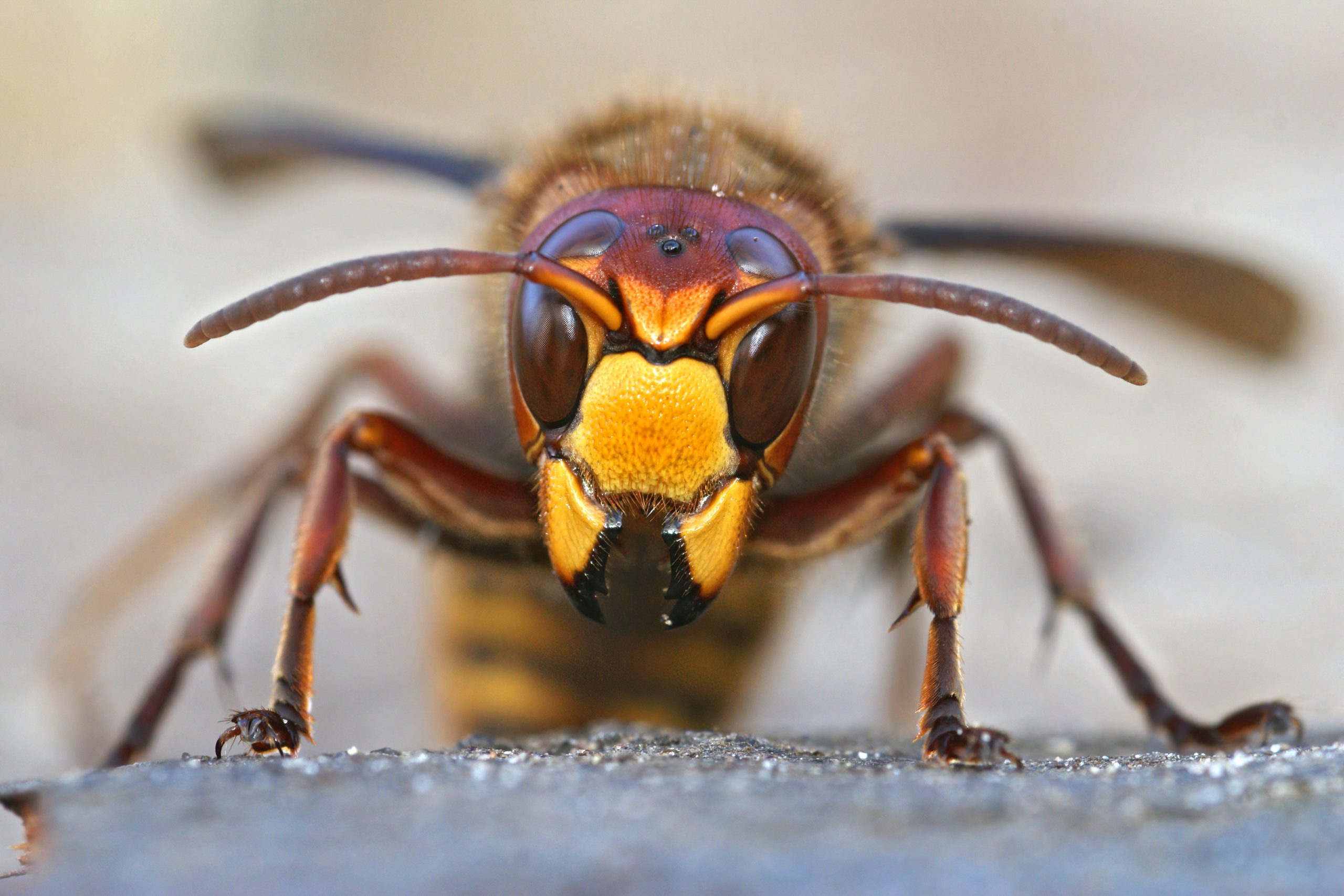
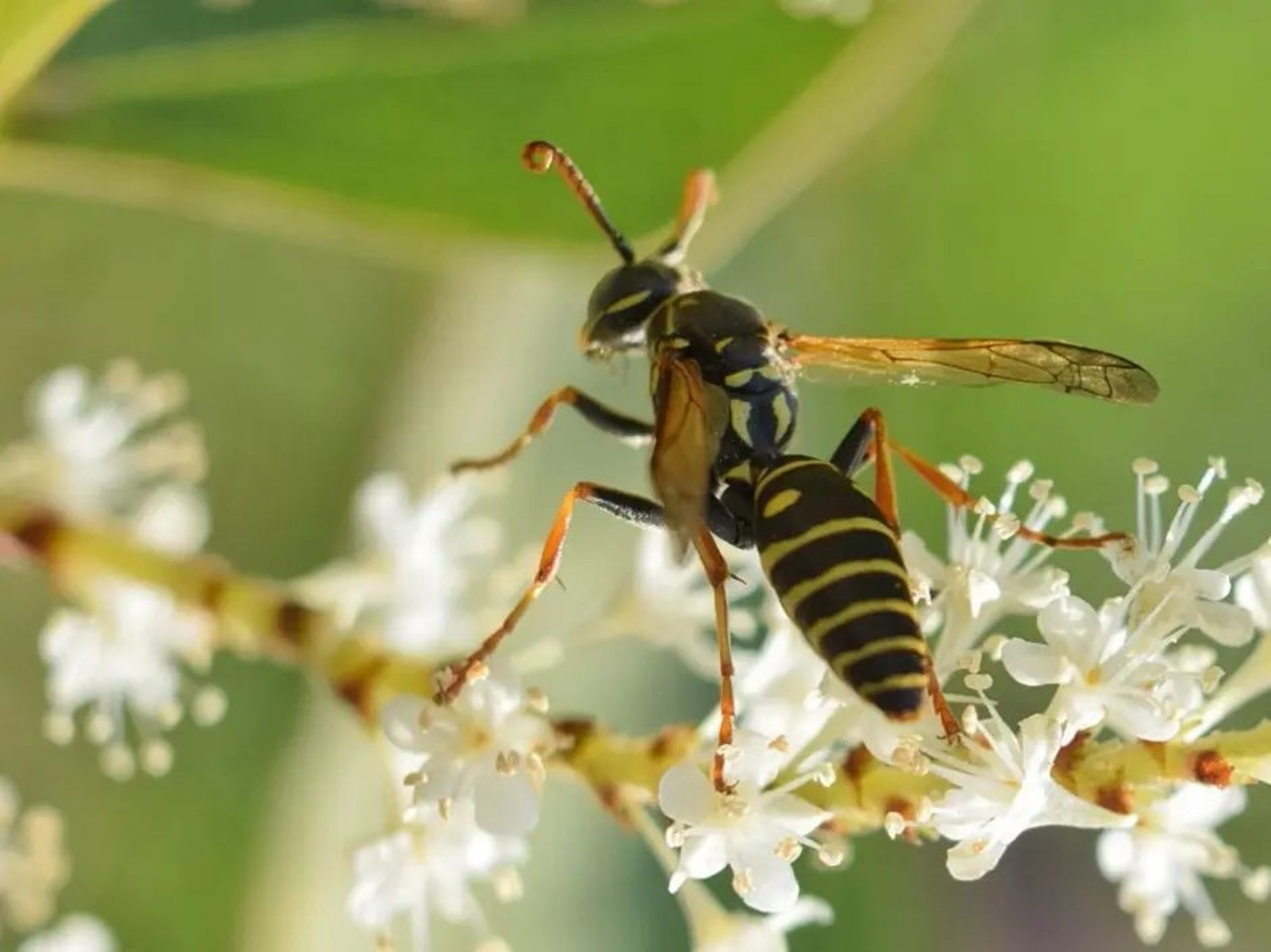

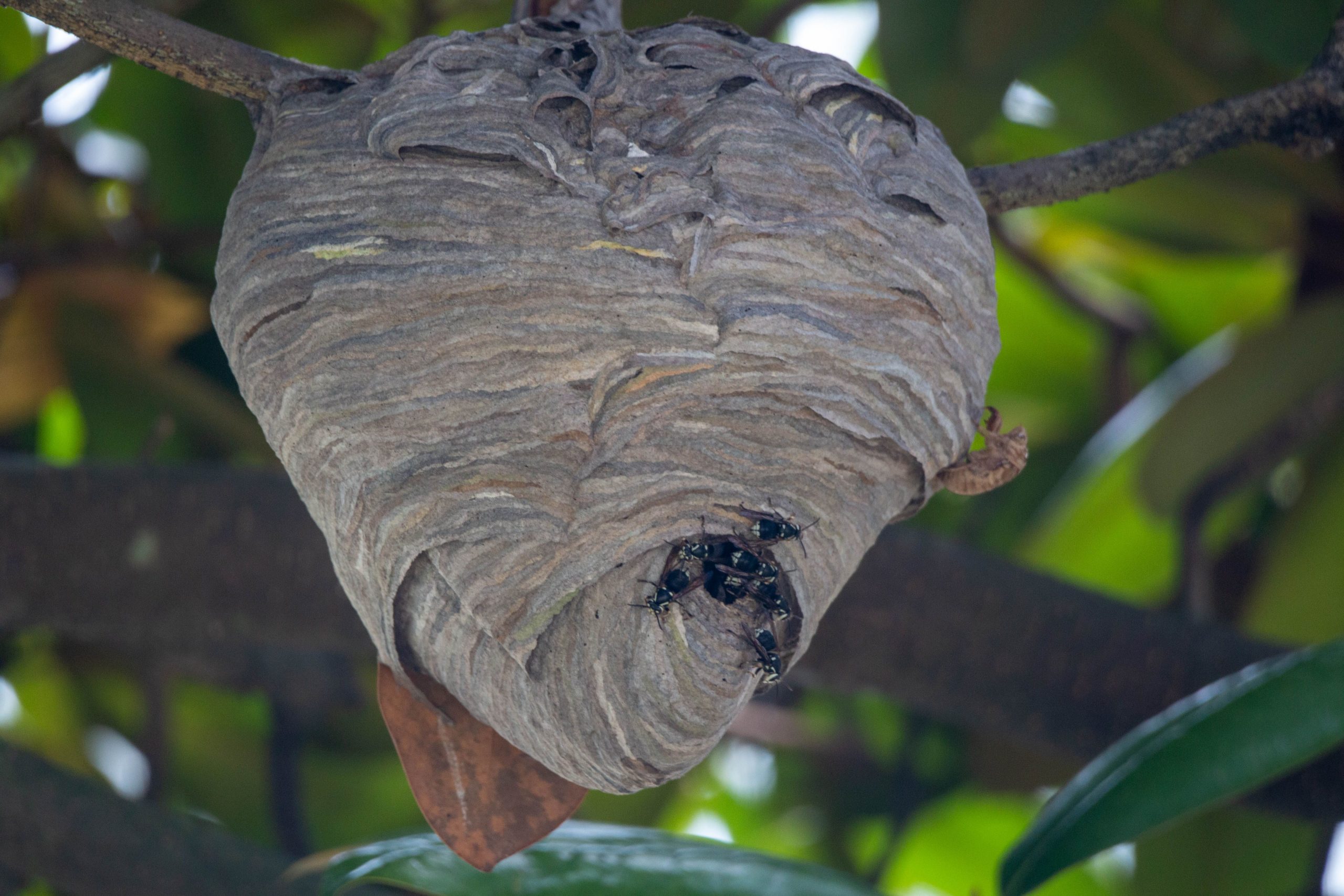
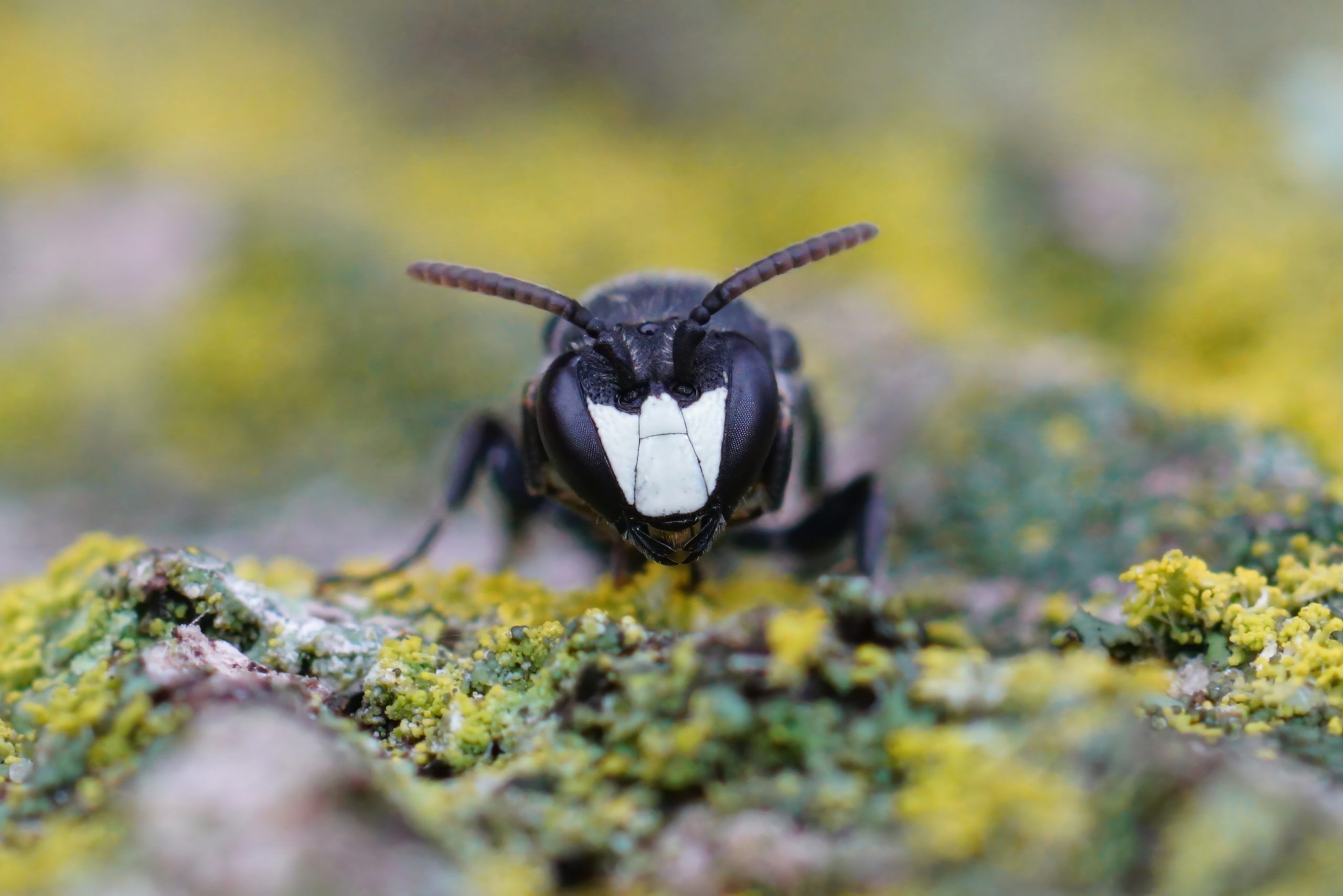
Nearby cities in Passaic County
- Bee Removal in Bloomingdale
- Bloomingdale – bee removal
- Bee Removal in Clifton
- Clifton – bee removal
- Bee Removal in Haledon
- Haledon – bee removal
- Bee Removal in Hawthorne
- Hawthorne – bee removal
- Bee Removal in Little Falls
- Little Falls – bee removal
- Bee Removal in North Haledon
- North Haledon – bee removal
- Bee Removal in Passaic
- Passaic – bee removal
- Bee Removal in Paterson
- Paterson – bee removal
- Bee Removal in Pompton Lakes
- Pompton Lakes – bee removal
- Bee Removal in Ringwood
- Ringwood – bee removal
- Bee Removal in Totowa
- Totowa – bee removal
- Bee Removal in Wanaque
- Wanaque – bee removal
- Bee Removal in Wayne
- Wayne – bee removal
- Bee Removal in West Milford
- West Milford – bee removal
Homeowners and businesses throughout Prospect Park, NJ trust Silver Bullet Pest Control for careful, family-and-pet-conscious service. Reach us at 973-510-2585.
Bee Removal – Identification in Prospect Park, NJ
Getting the species right matters more than most homeowners expect – a honey bee colony and a carpenter bee problem call for very different solutions. Silver Bullet Pest Control evaluates the insect, the nest location, the risk to people nearby and whether structural damage may be involved before recommending a treatment plan.
Types Found Around New Jersey Homes
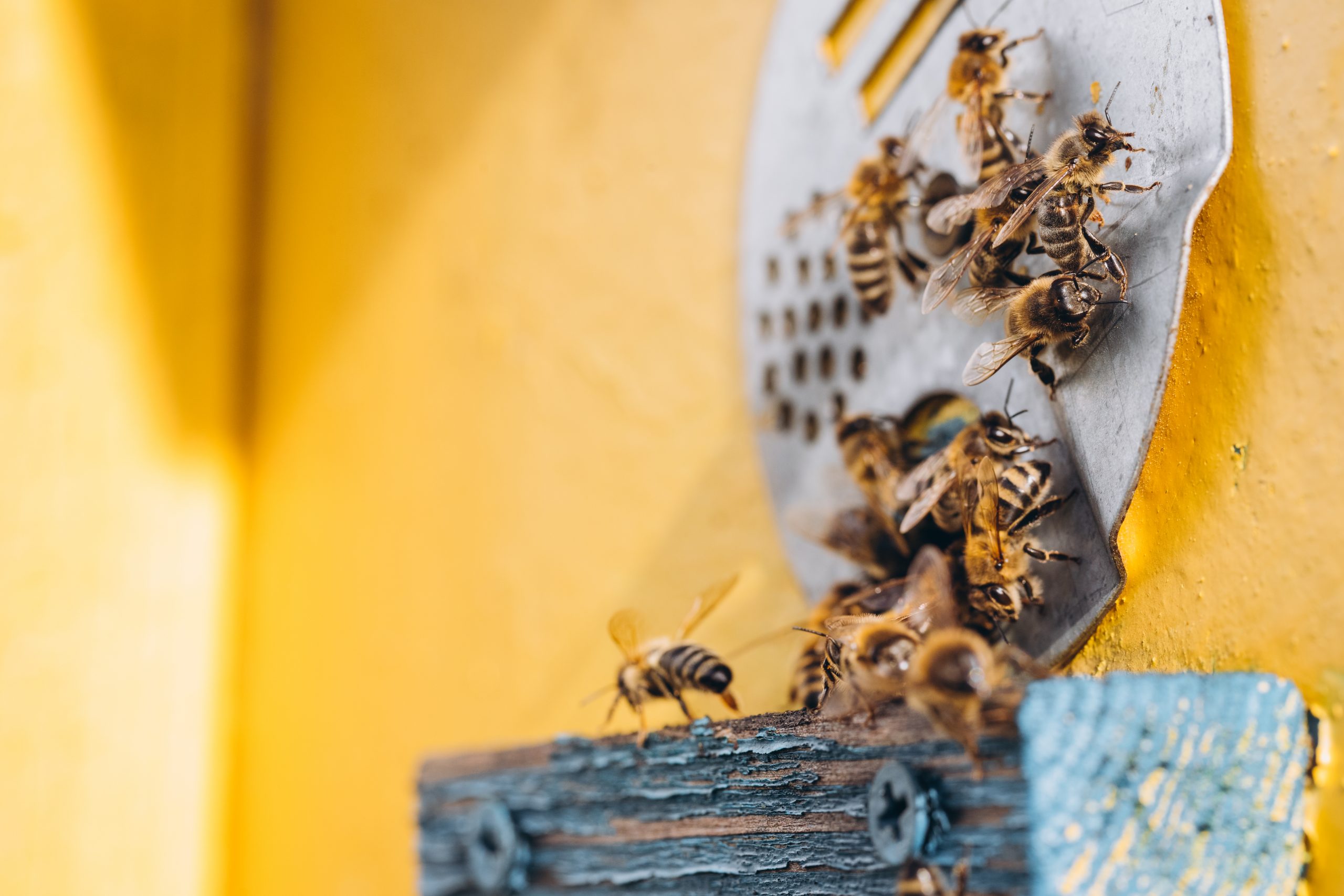
- Honey bee colonies: valuable pollinators that may establish nests in trees, wall cavities or structural voids.
- Carpenter bees: wood-nesting bees that tunnel into exposed fascia, trim, railings and decks.
- Bumble bees: ground- or cavity-nesting pollinators, generally less aggressive than wasps.
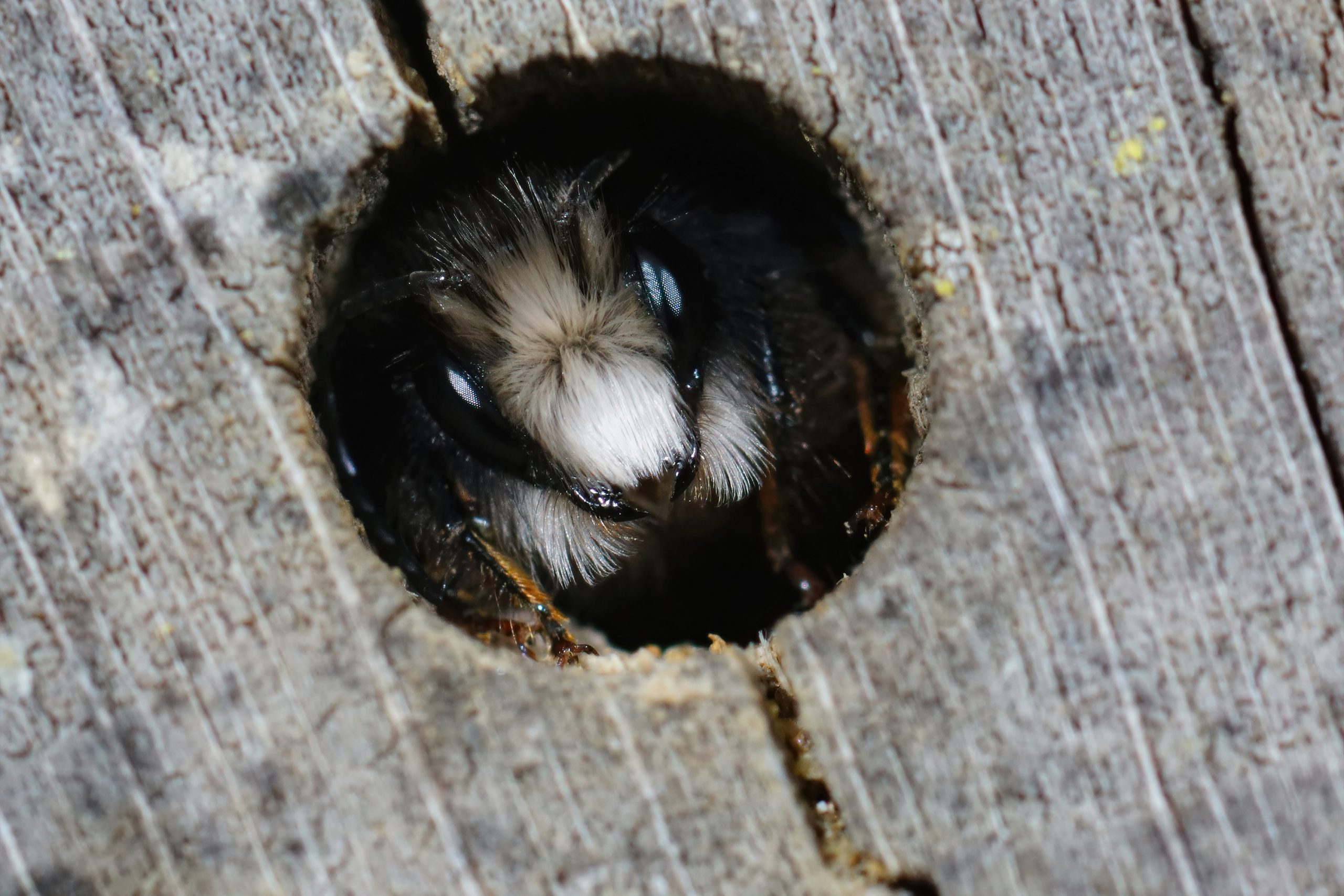
- Mason bees and other solitary bees: typically calm species that still need correct identification.
- Wasps, hornets and yellow jackets: more defensive stinging insects often requiring faster response near entrances or patios.
Bee Removal vs. Extermination
Bee removal and bee extermination are not always the same service. When appropriate, live removal or relocation may be considered, especially for honey bee activity. In other situations, active nests inside walls, soffits, attics, trees, ground voids or high-traffic areas may require professional treatment for safety. The best option depends on the species, nest location, colony size and risk of stings.
Signs You May Have a Problem
- Heavy bee traffic entering a wall, soffit, roofline or tree cavity
- Buzzing sounds inside a wall, ceiling or attic
- Visible swarms or large groups clustered in one area
- Round carpenter bee holes or sawdust-like debris on wood
- Bees near doors, patios, playgrounds or public walkways
Common Nesting Locations
In Prospect Park, nests are often found in wall voids, attics, soffits, roof returns, trees, shrubs, sheds, decks, porch ceilings, fence posts, ground cavities and commercial exterior areas. A professional inspection helps determine whether the nest is active, whether a structure is being used, and whether follow-up sealing or repair is needed after treatment.
Structural Concerns
Carpenter bees are especially important because they do not simply sting; they can also tunnel into wood. Repeated activity can weaken trim, fascia, soffits, decks, railings and other exposed wood. If woodpeckers begin attacking the same areas, the damage can become worse. After carpenter bee treatment, Silver Bullet Pest Control can help identify areas that may need sealing, repair or prevention.
Seasonal Activity in New Jersey
Nest-building tends to ramp up in spring, activity peaks through the summer months, and fall can bring more defensive behavior as colonies compete for shrinking food sources. Once winter arrives, visible activity drops off, though any repair or prevention work is easier to schedule before spring returns.
Commercial Services
Silver Bullet Pest Control also helps commercial properties with stinging insect problems, including restaurants, schools, apartment buildings, retail centers, parks, warehouses, property management sites and exterior customer areas. Fast response is important when stinging insects affect employees, tenants, customers or public spaces.
Related Pest Control Services in Prospect Park
Along with stinging insect service, homeowners and property managers often review pest control in Prospect Park, organic pest control options, commercial pest control, and wildlife damage repair when structural areas have been affected.
Bee Removal FAQ
Do you offer a warranty on bee removal?
Warranty options are available depending on the specific case and treatment performed.
What should I do if I see a swarm?
Keep a safe distance and avoid spraying it yourself. Swarms are often calm but should still be handled by a professional.
Can bumble bees be relocated too?
Bumble bee colonies are typically smaller and less aggressive, and options depend on the exact nest location.
Are ground bees dangerous?
Ground-nesting bees are generally less aggressive than wasps, but nests should still be identified and handled carefully, especially around children and pets.
How long does bee removal take?
Most jobs are completed in a single visit, though larger or hard-to-reach colonies may take longer.
How much does bee removal cost?
Cost depends on the species, nest location, height, accessibility, colony size and whether wall, soffit or wood damage is involved.
Are honey bees protected?
Honey bees are valuable pollinators, so identification matters. When practical, live removal or relocation may be considered.
Can carpenter bees damage wood?
Yes. Carpenter bees tunnel into exposed wood and can cause repeat damage to fascia, soffits, decks, trim and railings.
What attracts bees to a home?
Flowers, water sources, sheltered nesting areas, exposed untreated wood, wall voids and gaps around siding or trim.
Can you save the honey bees?
We relocate honey bees whenever it’s safe and practical. Other stinging insects are typically treated or removed.
Do you offer same-day service?
Yes, depending on availability. Call 973-510-2585 to check current scheduling.
Is it safe for kids and pets?
We use careful methods and provide clear re-entry guidance for the treated area.