Hudson County’s housing stock is dominated by dense multi-family buildings, brownstones, and high-rises rather than detached single-family homes, so bat entry points more often involve parapets, cornices, and shared building facades than a typical residential attic.
New Jersey bat exclusion timing: per NJ Division of Fish & Wildlife guidelines, bat exclusion is not permitted May 1 – July 31 while maternity colonies have flightless pups in the roost. The state’s safe windows for exclusion are April 1 – 30 and August 1 – October 15; work is also limited October 16 – March 31 when bats may be overwintering in a structure. We plan every Hudson County exclusion around these dates unless there’s an imminent health/safety exception.
If human or pet contact is suspected, contact local health guidance immediately.
4-step process
Inspect: Entry mapping and attic/roof survey.
Plan: Time-appropriate exclusion strategy.
Exclude: Install one-way devices and seal gaps.
Restore: Cleanup and prevention plan.
Map – West New York, NJ
Recent jobs
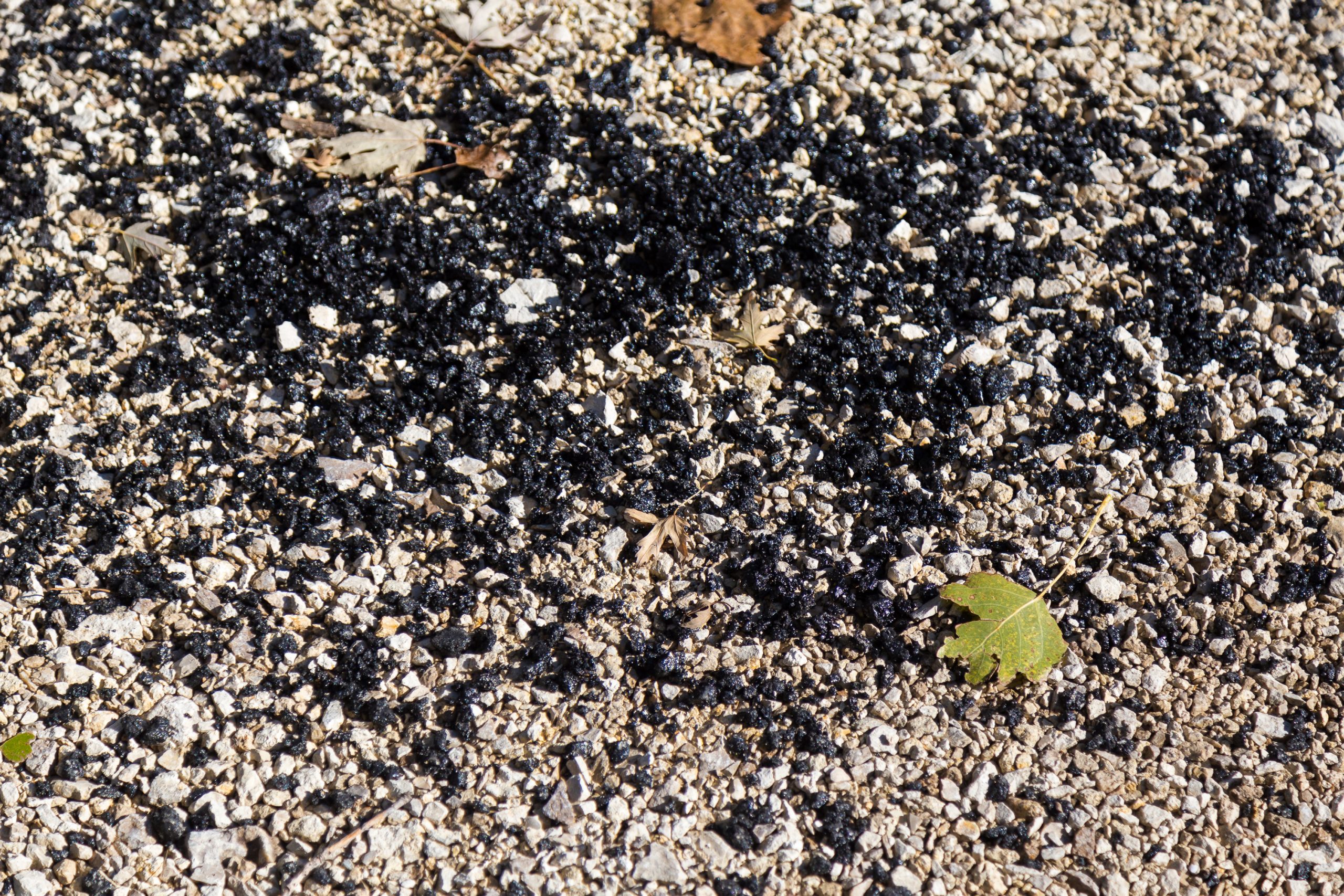
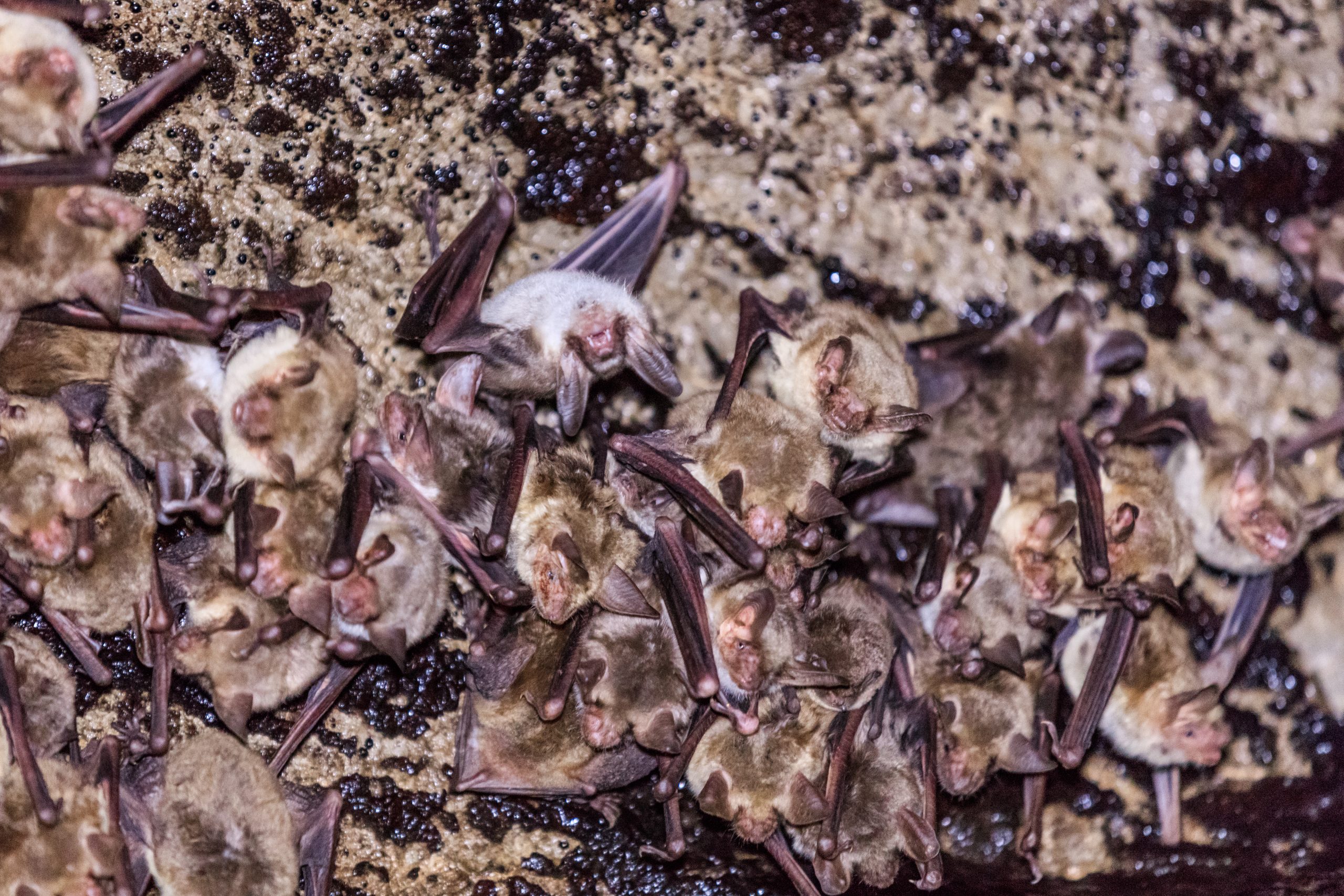
Bat – West New YorkBat – West New YorkBat guano – West New York
Silver Bullet Pest Control – local experts in West New York, NJ for bat removal and exclusion. Call 973-510-2585.
Church & School Bat Exclusion — West New York, NJ
Steeples, bell towers, and large attic spaces make institutional buildings in West New York some of the most bat-friendly structures around — and some of the hardest to exclude without disrupting the people who use them.
Exclusion Work Around Occupied Institutional Buildings
Historic churches and older school buildings in West New York often have high, hard-to-access roost sites — steeples, bell towers, cupolas — that can house much larger colonies than a typical home attic. Work has to be scheduled around services, school hours, and events, and access equipment (lifts, scaffolding) needs to be planned in advance for these taller structures.
Because these buildings are often historic, sealing work also has to respect original materials and architectural details rather than defaulting to whatever’s fastest. We scope this out during the inspection and build a plan around your building’s schedule, not just the colony.
Frequently Asked Questions
Can bat colonies in steeples be larger than home attics?
Yes — tall, undisturbed spaces like bell towers and cupolas can house significantly larger colonies.
Can exclusion work happen while the building is in use?
Yes, with scheduling around services, classes, or events — most work is planned around your building’s calendar.
Does historic building status affect the work?
Yes — sealing methods need to respect original materials and architectural details.
Are bats considered beneficial around these buildings?
Yes, and NJ wildlife rules still apply — exclusion is planned around species protection and maternity season.
What equipment is needed for steeples and towers?
Lifts or scaffolding are often required for safe, thorough access to high roost sites.
Do you provide documentation for facility records?
Yes — institutional clients typically receive a written inspection and exclusion report for their records.