
Best termite exterminator near me — Elmwood Park, Bergen County
Book now
Best termite exterminator near me — Elmwood Park, Bergen County
Our licensed exterminators trace tubes to entry points and establish a treated zone termites cannot bypass.
Landmarks in Elmwood Park
- Elmwood Park City Hall
- Elmwood Park Public Library
- Elmwood Park High School
- Elmwood Park Community Park
What we do
- Licensed termite inspections with photo documentation
- Liquid/foam/soil/barrier non‑bait treatments
- WDI/VA reports, certificates and clearance letters
- Same‑day options and emergency response
Seasonality, habitat and survival
Swarm timing: Eastern subterranean termites in New Jersey typically swarm in spring after warm rains.
Habitat: Soil‑nesting colonies move through mud tubes into wood. Moist grades and shaded sides are common in Elmwood Park.
Winter survival: Colonies go below the frost line and remain active in heated structures.
4‑step process
- Inspect: Tubes, damage, moisture and conducive conditions.
- Plan: Choose liquid, foam and barrier placements.
- Treat: Trench/rod, inject foam, seal returns; photo documentation provided.
- Protect: Follow‑up visit and prevention checklist.
Map – Elmwood Park, NJ
Recent jobs
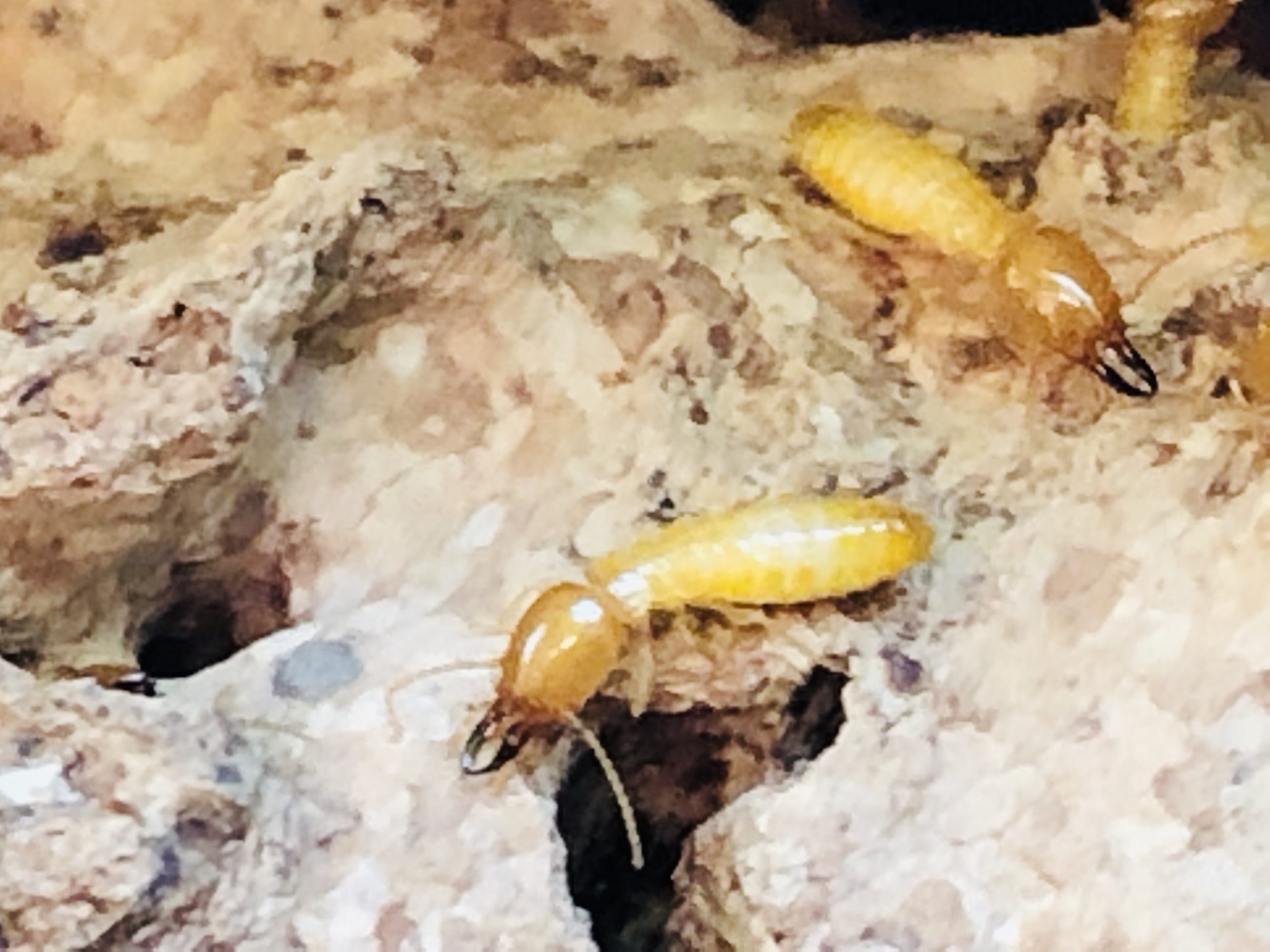
Termite Damage Repair in Elmwood Park, NJ
Termite treatment is only one part of protecting a structure. After activity is identified and controlled, damaged wood, wall sections, trim, flooring, sill plates, joists, and other affected materials may need to be evaluated for repair. Silver Bullet Pest Control helps homeowners in Elmwood Park and Bergen County understand the difference between active termite activity, old termite damage, moisture-related wood decay, and structural areas that may need repair after treatment.
Termite damage can affect visible and hidden parts of a building. Damage may appear around baseboards, window framing, wall voids, flooring, crawlspaces, basement framing, garage framing, decks, porches, and wood members that remain close to soil or moisture. If the wood feels soft, sounds hollow, breaks apart easily, or shows galleries inside the grain, a termite inspection should be completed before repairs are closed up.
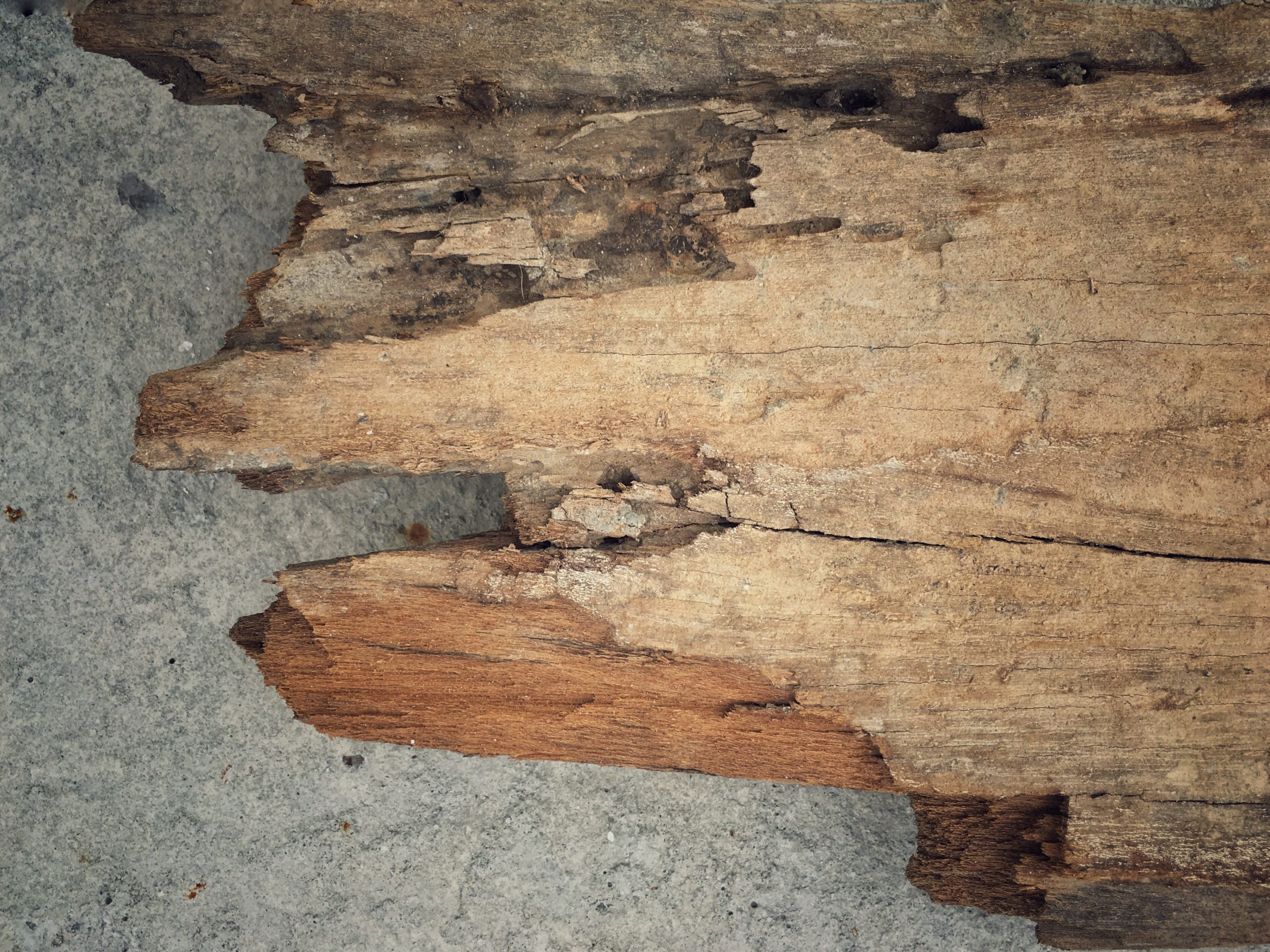
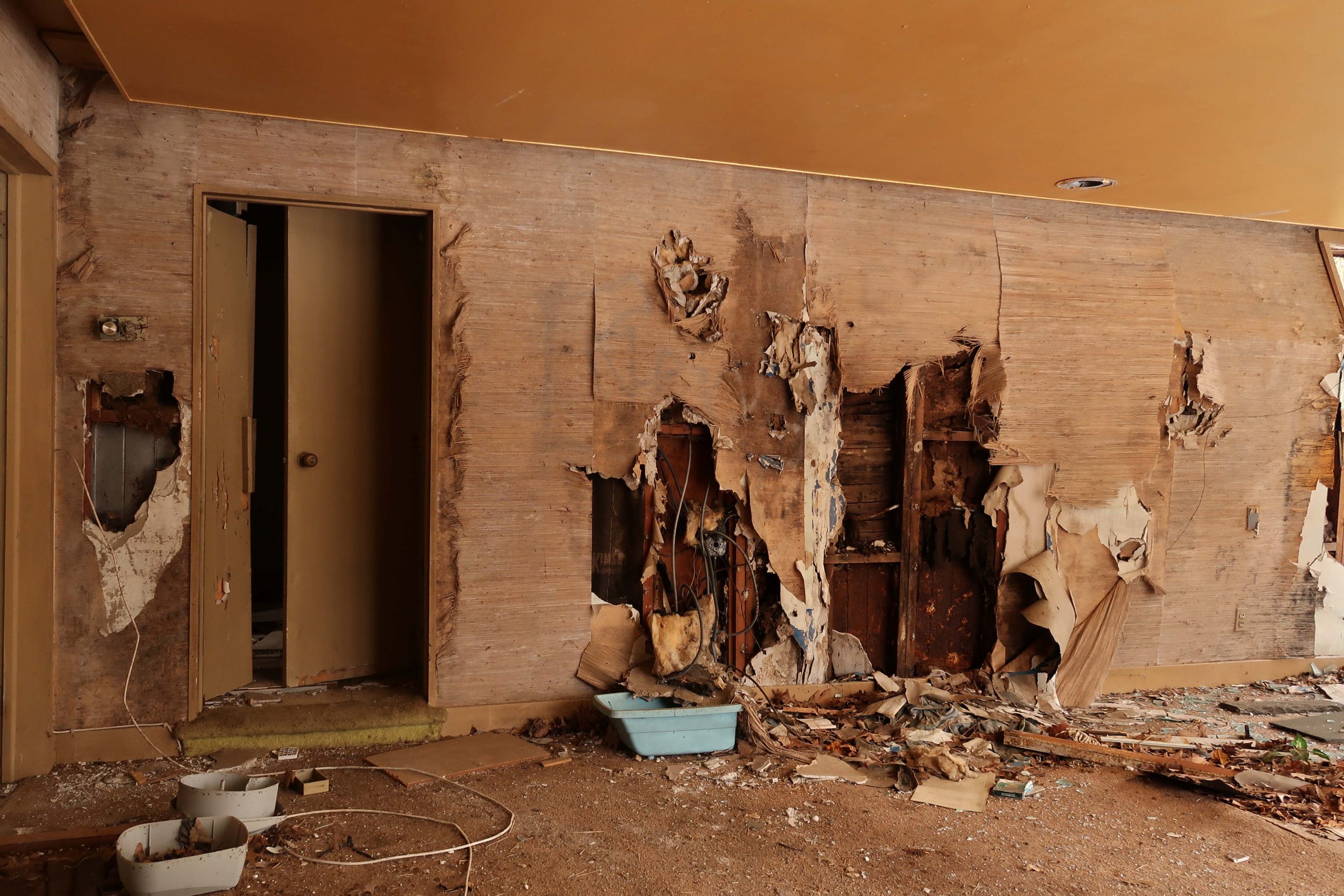
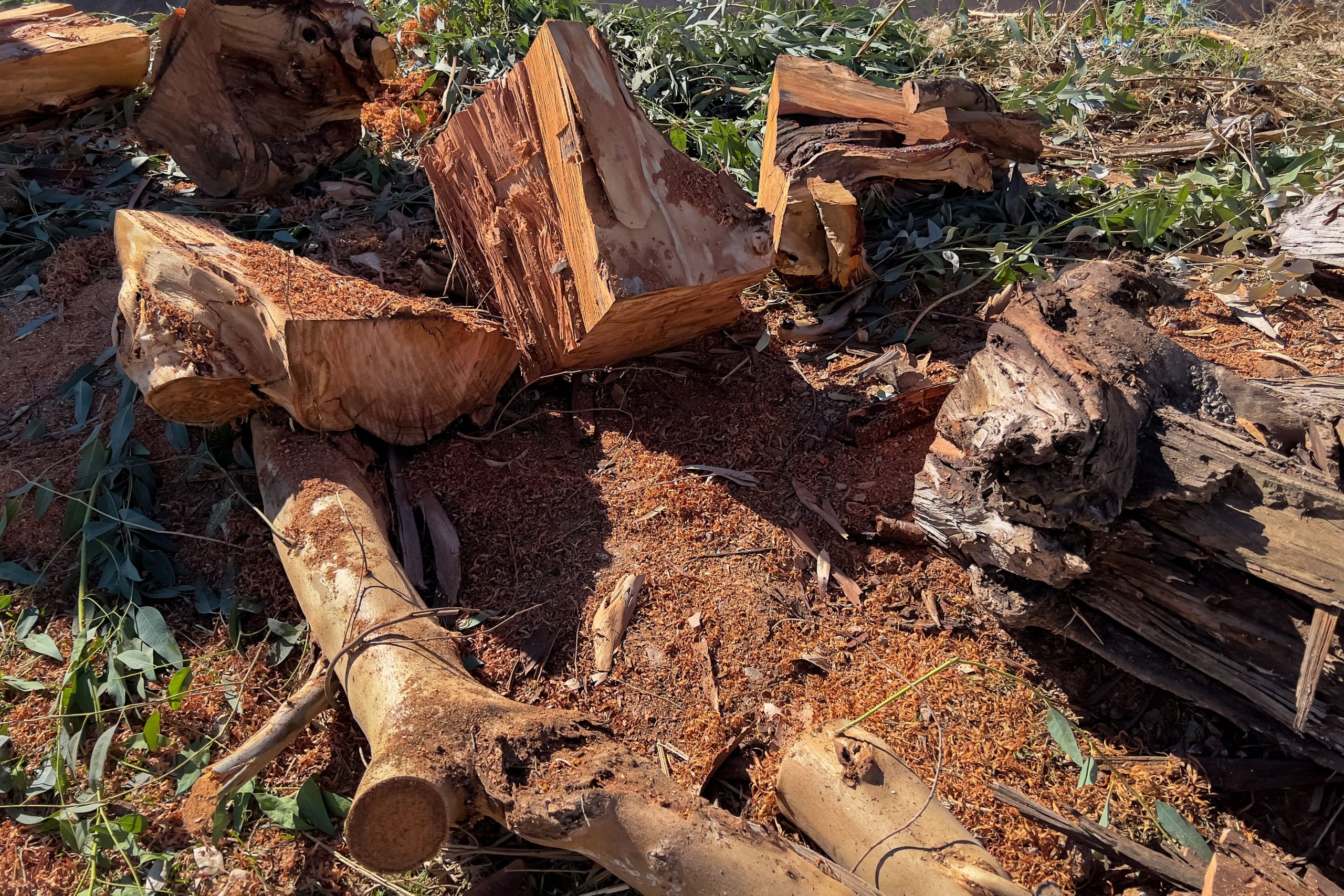
When repairs are needed, the best order is inspection, treatment, verification, and then repair. Repairing damaged wood before confirming the termite issue can hide active conditions. That is why we recommend scheduling a termite inspection and treatment plan first, then discussing termite damage repair in Elmwood Park if the structure has visible damage.
Signs of Termite Damage to Look For
Termites are often hidden until damage becomes visible. Homeowners in New Jersey should watch for mud tubes, winged swarmers, discarded wings, bubbling paint, soft flooring, hollow-sounding wood, frass-like material, damaged trim, sticking doors, and moisture-prone wood close to the foundation. These warning signs are especially important during spring swarming season and after periods of warm rain.
- Mud tubes: Subterranean termites use mud tubes to travel between soil and wood while staying protected from air and light.
- Swarmers: Winged termites may appear near windows, doors, concrete ledges, basements, or light sources.
- Hollow wood: Wood may sound hollow because termites consume internal portions while leaving the surface mostly intact.
- Bubbling paint or soft drywall: Moisture and hidden galleries can cause surfaces to blister, sag, or feel weak.
- Soft floors or damaged trim: Structural and cosmetic wood can weaken when termites have been active for a long period.
Termite Inspection vs Termite Treatment vs Termite Repair
A termite inspection, termite treatment, and termite repair are related, but they are not the same service. A termite inspection in Elmwood Park identifies evidence of activity, risk areas, moisture conditions, entry points, mud tubes, swarmers, damaged wood, and locations that may require treatment. A termite treatment is designed to control or eliminate termite activity and protect the structure. Termite repair restores damaged wood, walls, framing, or finishes after the termite issue has been addressed.
This sequence matters. If damaged wood is repaired before the colony is controlled, termites may continue feeding in hidden areas. If treatment is performed without documenting damage, homeowners may miss important repair or disclosure issues. The strongest approach is to inspect, treat, verify, and then repair when needed.
Subterranean vs Drywood Termites
Subterranean termites are the primary termite concern for most New Jersey homes. They live in soil, travel through mud tubes, and usually attack wood from foundation areas, crawlspaces, basements, slabs, porches, decks, and moisture-prone structural zones. Because Elmwood Park homes can have basements, older framing, utility penetrations, porch additions, and moisture near foundations, subterranean termite protection is especially important.
Drywood termites are less common in New Jersey, but they are still worth understanding for SEO and homeowner education. Drywood termites can infest dry wood without needing constant soil contact. If a homeowner finds pellets, damaged trim, or wood galleries, an inspection can help determine whether the issue is subterranean termites, drywood termites, carpenter ants, wood rot, or another wood-destroying condition.
Commercial Termite Services in Elmwood Park
Termites do not only affect residential homes. Silver Bullet Pest Control can help restaurants, warehouses, offices, retail properties, apartment buildings, rental properties, property managers, mixed-use buildings, and commercial spaces evaluate termite activity and wood-destroying insect concerns. Commercial termite issues can affect tenant safety, inspections, real estate transactions, maintenance budgets, and long-term property value.
Commercial properties often have larger foundations, multiple utility penetrations, loading areas, storage zones, moisture issues, and older wood materials that require a more detailed inspection plan. A documented termite inspection and treatment strategy helps owners respond before damage becomes more expensive.
Seasonal Termite Activity in New Jersey
Termite activity changes throughout the year, but colonies may continue damaging wood even when homeowners do not see insects. In spring, termite swarmers are more common after warm rains. In summer, colonies remain active and moisture problems can increase risk. In fall, hidden damage may become more noticeable during repairs, renovations, or real estate inspections. In winter, subterranean termites can remain active below the frost line and inside heated structures.
That is why termite prevention and inspection should not be limited to one season. Homes in Elmwood Park should be checked when there are swarmers, mud tubes, unexplained wood damage, moisture problems, or planned renovations involving walls, flooring, basements, crawlspaces, porches, or decks.
Related Pest and Property Protection Services
Termites are one part of a larger property-protection plan. If your home has gaps, moisture problems, vent openings, or structural access points, you may also benefit from pest exclusion in Elmwood Park. If animals or pests have damaged wood, vents, soffits, fascia, insulation, or attic spaces, Silver Bullet can also guide you toward wildlife damage repair or related restoration services when appropriate.
For termite concerns, the best next step is to request an inspection. Call 973-510-2585 or use the contact form above to schedule termite help in Elmwood Park, NJ.
Termite Frequently Asked Questions
How much does termite treatment cost?
Termite treatment cost depends on the size of the structure, treatment type, linear footage, activity level, accessibility, and warranty needs. An inspection is the best way to provide an accurate price.
How do I know if I have termites?
Common signs include mud tubes, swarmers, discarded wings, hollow wood, bubbling paint, soft floors, damaged trim, and wood that breaks apart easily.
Are mud tubes always a sign of termites?
Mud tubes are one of the strongest signs of subterranean termite activity. Even if a tube appears old, it should be inspected to determine whether activity is current.
Can termites damage walls?
Yes. Termites can damage wall framing, baseboards, trim, drywall-adjacent wood, window framing, and hidden structural members inside wall systems.
Can termites damage floors?
Yes. Long-term termite activity can affect subfloors, floor joists, sill plates, and wood components near crawlspaces, basements, slabs, or moisture sources.
Does homeowners insurance cover termite damage?
Many homeowners insurance policies do not cover termite damage because it is often considered preventable maintenance-related damage. Homeowners should check their specific policy.
How long does termite treatment last?
Treatment duration depends on the method, product, soil conditions, structure, and warranty. A professional inspection can explain expected protection and follow-up needs.
Do termites come back after treatment?
Termites can return if conducive conditions remain or if new colonies find access. Ongoing prevention, moisture control, and inspections help reduce that risk.
Should damaged wood be repaired after termite treatment?
Yes, if the wood is structurally weakened, unsafe, visibly damaged, or part of an area being renovated. Repairs should usually happen after treatment and verification.
What attracts termites to a home?
Moisture, wood-to-soil contact, mulch against foundations, leaking gutters, crawlspace humidity, untreated wood, and foundation gaps can increase termite risk.
Are termite inspections worth it?
Yes. Termite inspections can identify early activity, hidden damage, risk factors, and treatment needs before the damage becomes more expensive.
Can termites spread between homes?
Subterranean termite colonies can affect nearby structures when conditions support colony movement. Attached buildings, row homes, and close property lines should be inspected carefully.
What is the difference between termite control and termite prevention?
Termite control addresses active activity. Termite prevention reduces the conditions that allow termites to access and damage a structure.
Can I treat termites myself?
DIY termite products often fail to address the colony, soil access, hidden galleries, and structural risk. Professional treatment is recommended for active termite concerns.
How fast can termites damage a house?
Damage speed depends on colony size, moisture, wood conditions, and how long the infestation has been active. Some damage can remain hidden for years.
Are swarmers dangerous?
Swarmers do not bite people, but they are an important warning sign that a termite colony may be active nearby.
What should I do if I see flying termites?
Save a sample or photo if possible, avoid disturbing the area, and schedule an inspection to confirm whether the insects are termites or flying ants.
Can termites damage decks and porches?
Yes. Deck posts, porch framing, stairs, railings, and wood close to soil or moisture can be vulnerable to termite activity.
Do termites only affect old homes?
No. Newer homes can also develop termite issues if soil contact, moisture, wood debris, mulch, or structural access points are present.
When should I call for termite help?
Call when you see mud tubes, swarmers, damaged wood, soft floors, bubbling paint, or unexplained wood damage, or before buying or selling a home.
Nearby cities in Bergen County
- Hackensack — termite control
- Teaneck — termite control
- Fort Lee — termite control
- Paramus — termite control
- Englewood — termite control
- Fair Lawn — termite control
- Ridgewood — termite control
- Garfield — termite control
- Lodi — termite control
- Cliffside Park — termite control
- Mahwah — termite control
- Bergenfield — termite control
- Palisades Park — termite control
- Rutherford — termite control
Silver Bullet Pest Control — local experts in Elmwood Park, NJ. Call 973-510-2585.