Book now
Hornet Nest Removal in Trees & Bushes in Maplewood, Essex County NJ
Hornet Nest Removal in Trees & Bushes in Maplewood, Essex County NJ
Professional removal of hornet and wasp nests from trees, bushes, shrubs and nearby structures, with the nest evaluated before any treatment. Licensed and insured – NJ #90568B.
Landmarks in Maplewood
- Maplewood City Hall
- Maplewood Public Library
- Maplewood High School
- Maplewood Community Park
What we do
- Full inspection to confirm hornet species and nest size
- Safe extraction or targeted treatment depending on location
- Sealing of nearby gaps to reduce repeat nesting
- Careful methods around children and pets
- Prevention guidance after the nest is addressed
4-step process
- Assess: Confirm the species and evaluate how the nest is situated.
- Decide: Determine whether relocation or treatment is the right call.
- Treat: Carry out the removal or application safely.
- Protect: Close off entry points so the problem doesn’t return.
Map – Maplewood, NJ
FAQs
Can you save the honey bees?
We relocate honey bees whenever safe and practical. Wasps and hornets are treated/removed.
Do you offer same-day service?
Yes, depending on availability. Call 973-510-2585.
Is it safe for kids and pets?
We use careful methods and provide clear re-entry guidance.
Recent jobs
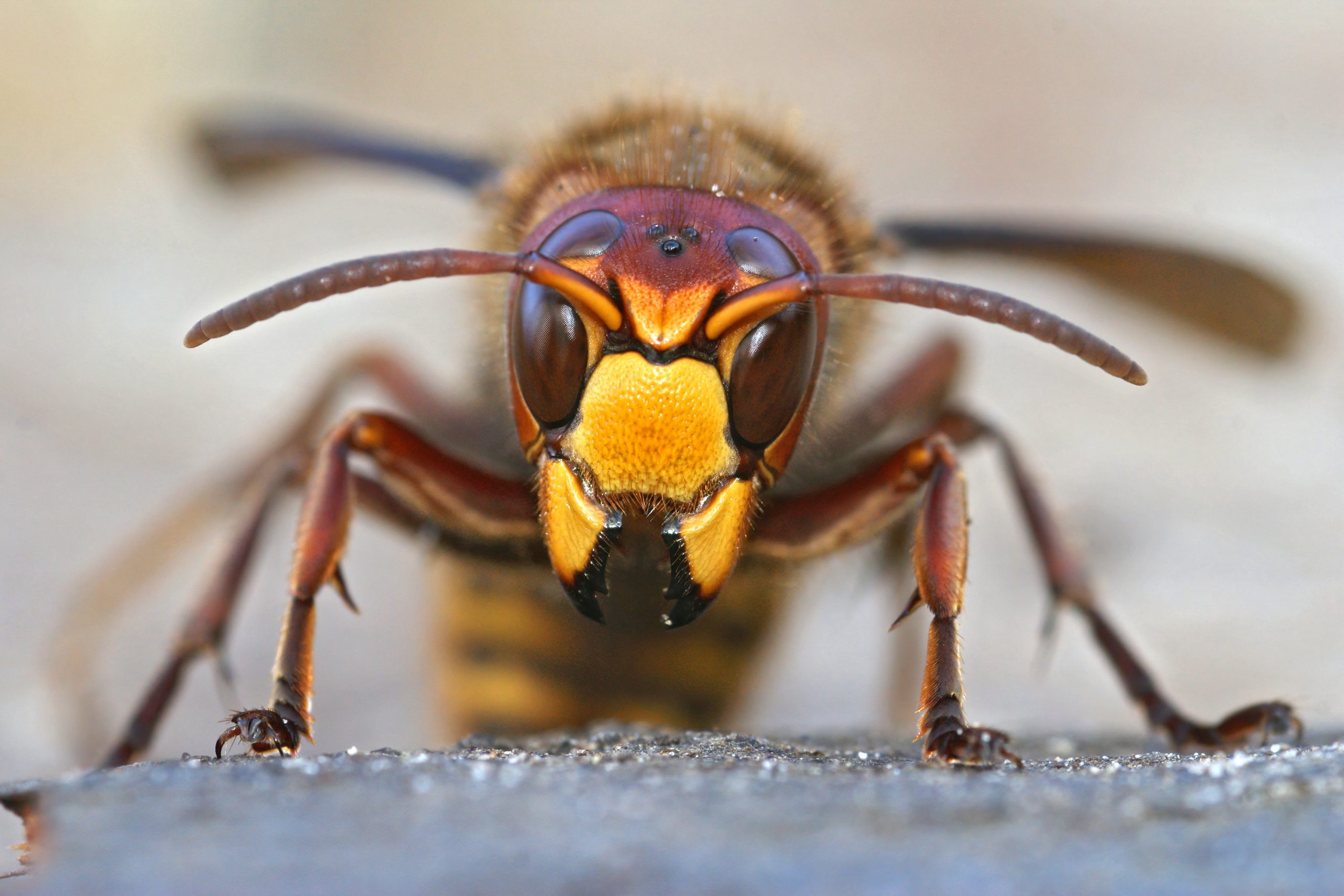
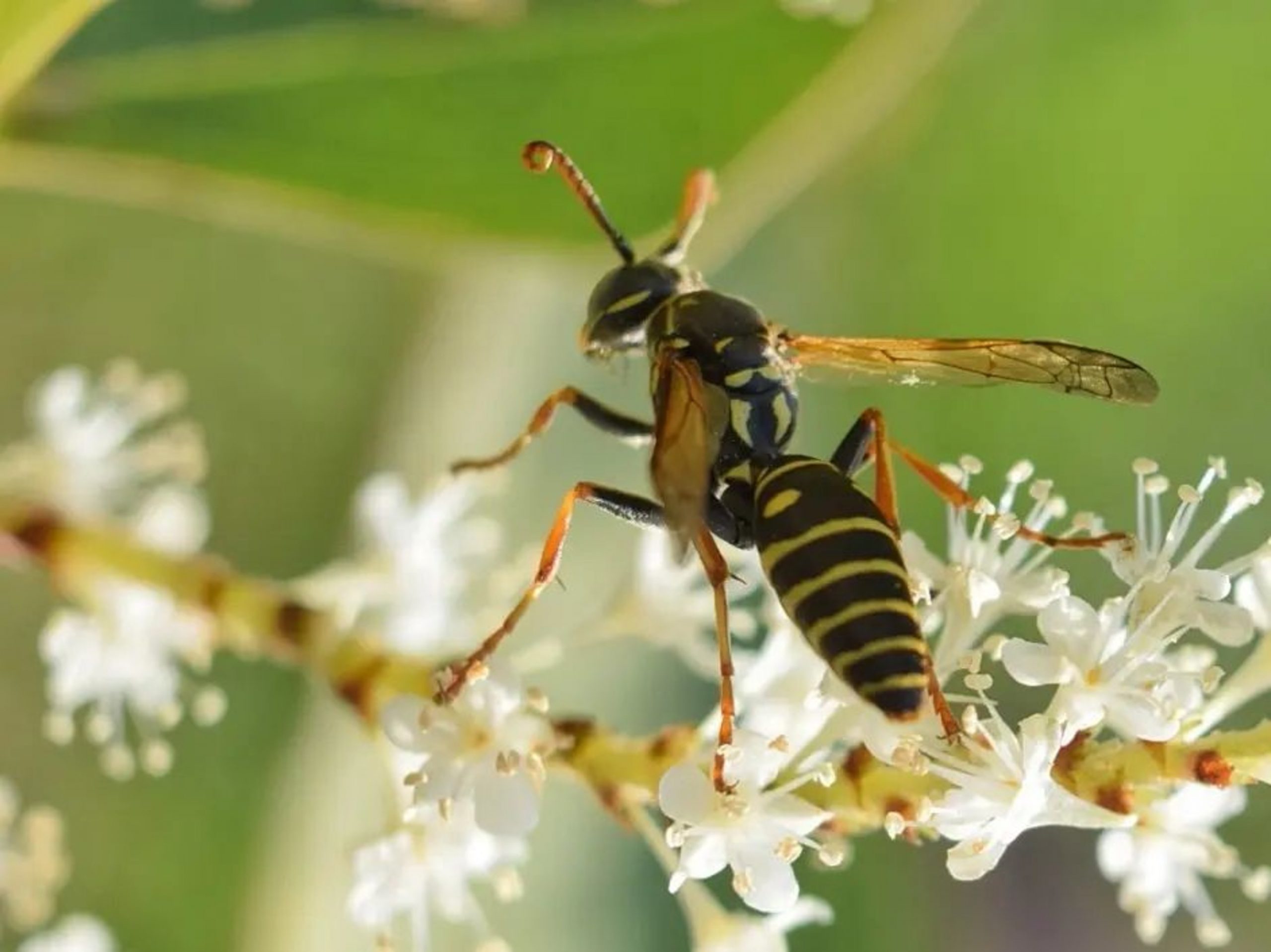

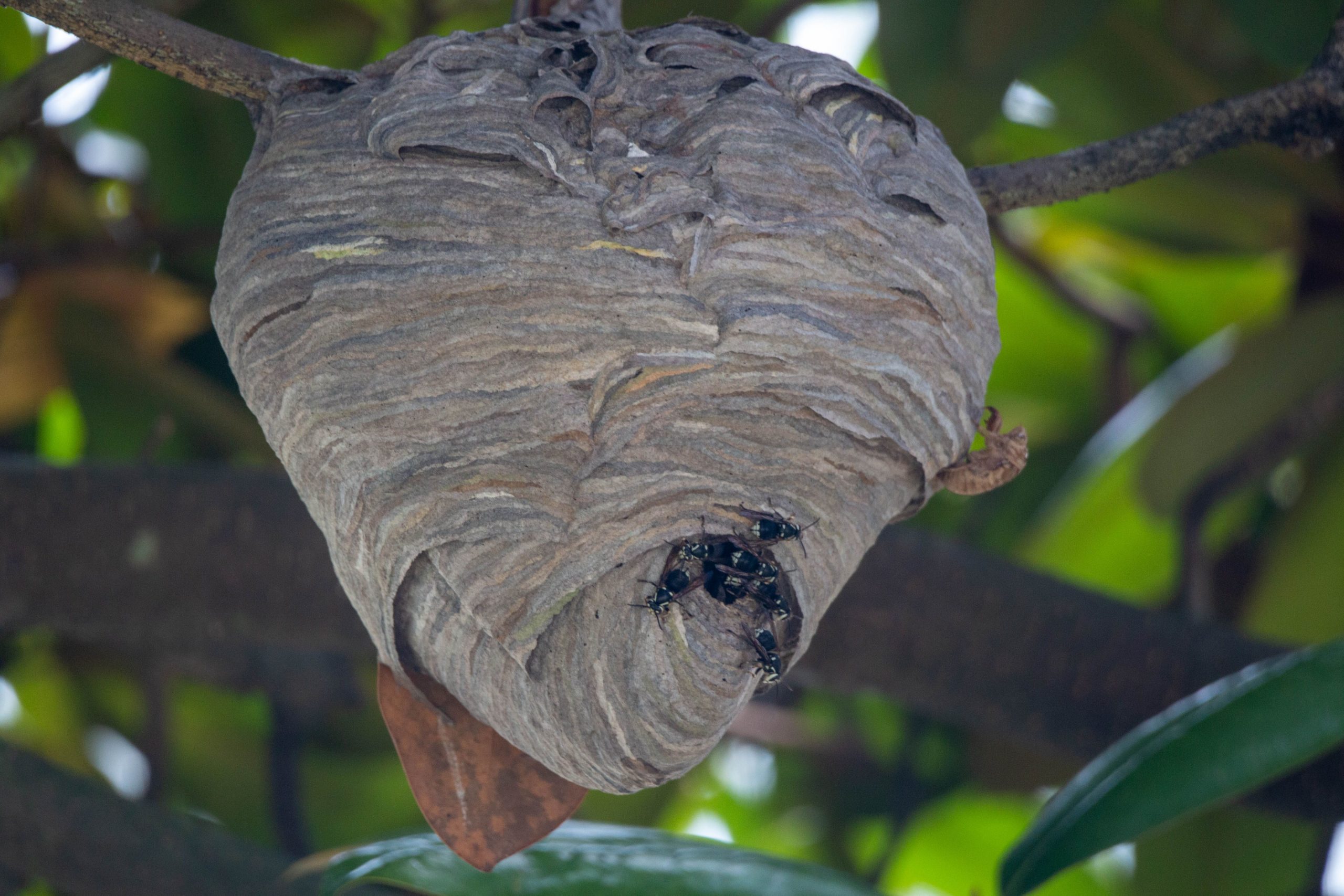
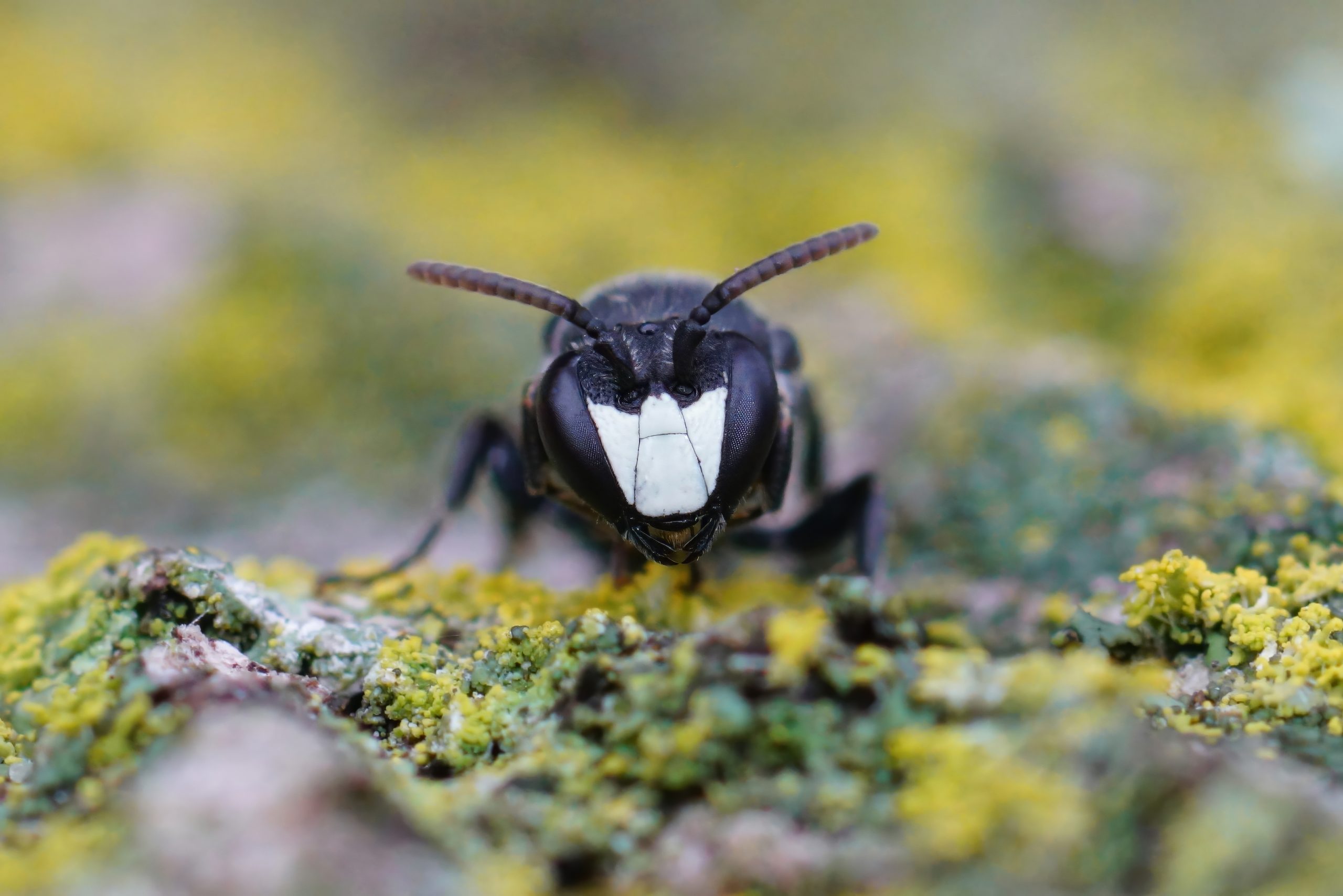
Nearby cities in Essex County
- Bee Removal in Belleville
- Belleville – bee removal
- Bee Removal in Bloomfield
- Bloomfield – bee removal
- Bee Removal in Cedar Grove
- Cedar Grove – bee removal
- Bee Removal in East Orange
- East Orange – bee removal
- Bee Removal in Glen Ridge
- Glen Ridge – bee removal
- Bee Removal in Irvington
- Irvington – bee removal
- Bee Removal in Montclair
- Montclair – bee removal
- Bee Removal in Newark
- Newark – bee removal
- Bee Removal in Nutley
- Nutley – bee removal
- Bee Removal in Orange
- Orange – bee removal
- Bee Removal in South Orange
- South Orange – bee removal
- Bee Removal in Verona
- Verona – bee removal
- Bee Removal in West Orange
- West Orange – bee removal
Silver Bullet Pest Control – local experts in Maplewood, NJ. Friendly service for families and pets. Call 973-510-2585.
Hornet Nest Removal in Trees & Bushes – Identification in Maplewood, NJ
A hornet nest in a tree, bush or structure is treated differently depending on height, size and how active the colony currently is. Silver Bullet Pest Control evaluates the insect, the nest location, the risk to people nearby and whether structural damage may be involved before recommending a treatment plan.
Types Found Around New Jersey Homes
- Bald-faced hornets: distinctive gray, papery nests usually built well off the ground.
- Hornets nesting in cavities: tree hollows, wall voids or roof returns can all host an active colony.
- Yellow jackets: frequently confused with hornets but usually nest in the ground or in walls.
- Paper wasps: smaller open nests, often mistaken for early-stage hornet activity.
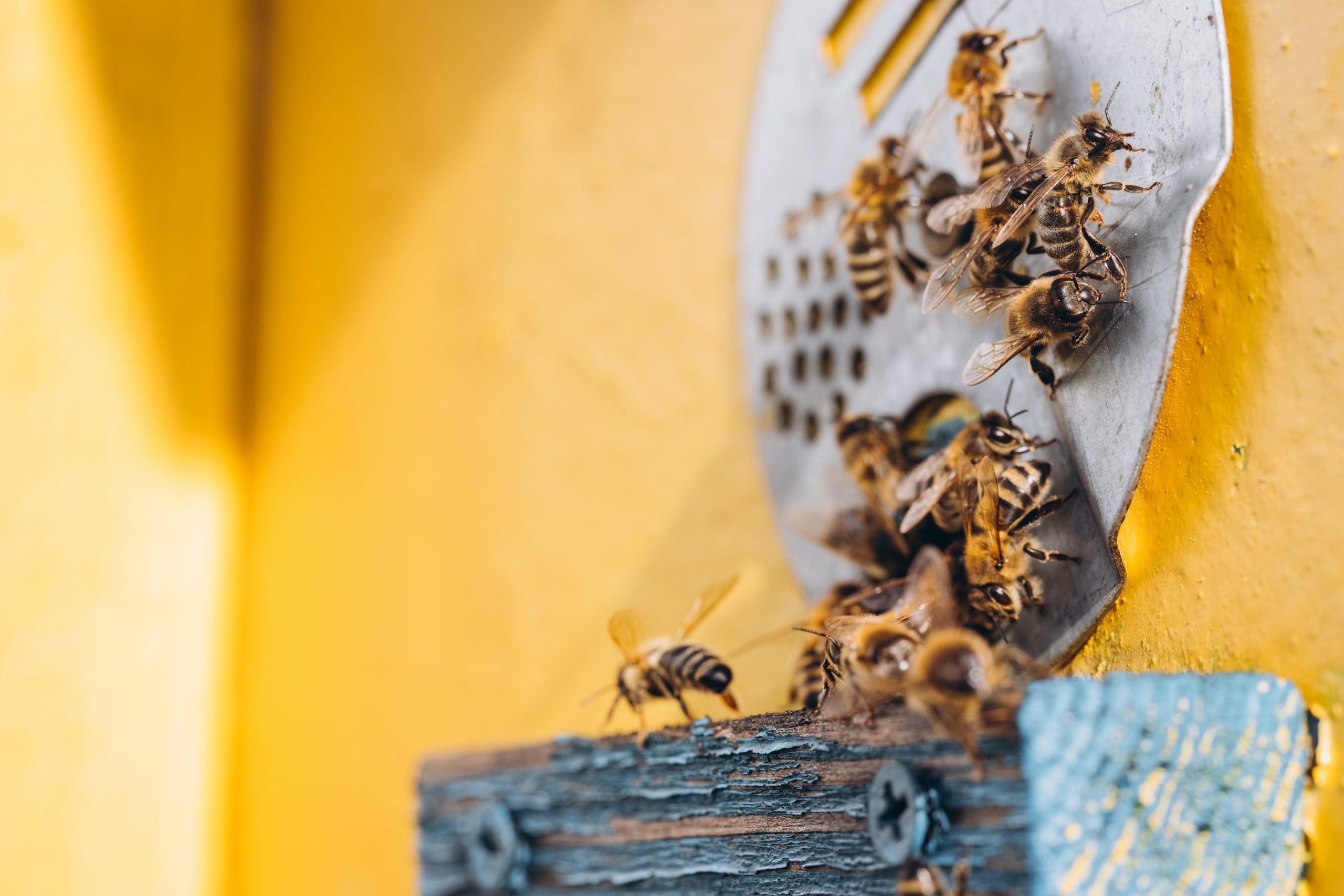
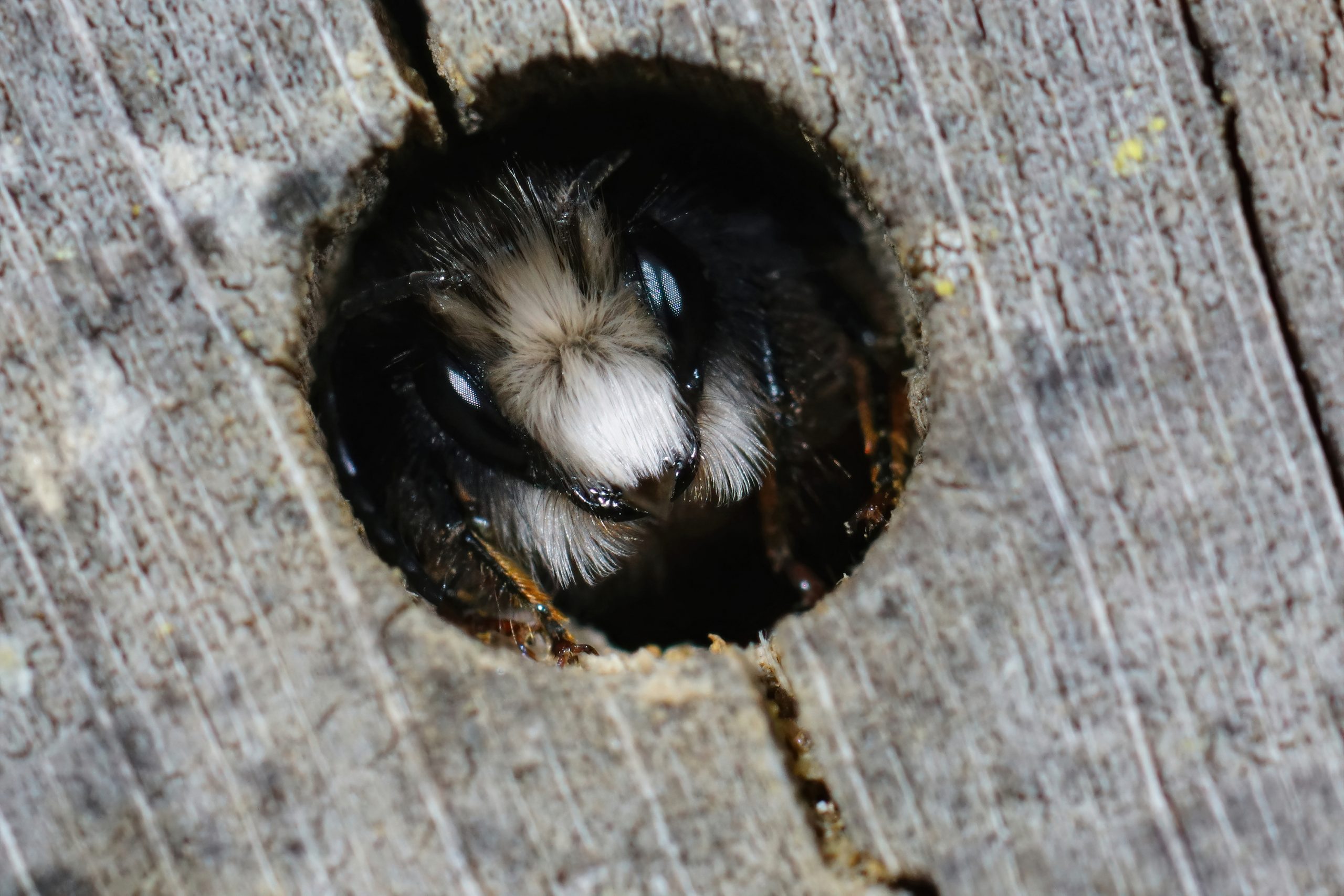
- Bees: calmer pollinators that are identified and handled separately.
Hornet Nest Removal in Trees & Bushes vs. Extermination
Hornet nest removal and hornet extermination depend heavily on colony size and location. A small nest discovered early may be removed directly, while a large, well-established nest – particularly one near a door, walkway or play area – is usually safer to treat first. Species, nest size and location all factor into the plan.
Signs You May Have a Problem
- A large, enclosed paper nest visible in a tree or on a structure
- Hornets repeatedly flying in and out of one specific opening
- Increased defensiveness when the area near the nest is disturbed
- A nest positioned close to a walkway, door or play area
- Nest size that appears to be growing over recent weeks
Common Nesting Locations
Around Maplewood, common nesting spots include eaves and roof returns, tree branches and shrubs, shed and deck framing, porch ceilings, fence posts, ground cavities and gaps around commercial exteriors. Confirming whether the nest is active – and whether it’s inside a structure – shapes the treatment and any follow-up sealing.
Structural Concerns
Hornets rarely cause structural damage directly, but a nest hidden inside a wall gap or roofline can expand for weeks unnoticed. After treatment, sealing the entry point is the most effective way to prevent the same spot from being used again.
Seasonal Activity in New Jersey
Nest-building tends to ramp up in spring, activity peaks through the summer months, and fall can bring more defensive behavior as colonies compete for shrinking food sources. Once winter arrives, visible activity drops off, though any repair or prevention work is easier to schedule before spring returns.
Commercial Services
Property managers, restaurants, schools and retail centers all rely on fast, discreet stinging insect service, since a visible nest near an entrance or patio can affect customers and staff alike. Commercial scheduling is available for these situations.
Related Pest Control Services in Maplewood
Along with stinging insect service, homeowners and property managers often review pest control in Maplewood, organic pest control options, commercial pest control, and wildlife damage repair when structural areas have been affected.
Hornet Nest Removal in Trees & Bushes FAQ
How can I tell if it’s a hornet nest?
Hornet nests are typically large, gray, papery and fully enclosed, often built high in a tree or on a structure.
Do you offer same-day hornet service?
Yes, depending on availability. Call 973-510-2585 to check current scheduling.
Is hornet treatment safe for kids and pets?
We use careful application methods and provide clear re-entry guidance for the treated area.
Will hornets come back after treatment?
Sealing the entry point after treatment significantly reduces the chance of the same spot being reused.
How big can a hornet nest get?
Some hornet nests can grow to the size of a basketball or larger over a full season.
Do you offer a warranty on hornet treatment?
Warranty options are available depending on the specific case and treatment performed.
What attracts hornets to a property?
Sheltered nesting spots in trees or structures, along with nearby food sources for the colony.
Can hornets nest inside my house?
Yes, particularly in wall voids, attic spaces or gaps around the roofline.
Is it dangerous to remove a hornet nest myself?
It can be, especially with larger or well-established nests. Professional treatment reduces the risk of multiple stings.
Do hornet nests get more aggressive later in the season?
Yes, colonies often become more defensive in late summer and early fall as food sources shift.
How fast can you respond to an active hornet nest?
Response time depends on current scheduling. Call 973-510-2585 for the fastest available appointment.
How long does hornet treatment take?
Most jobs are completed in a single visit, though larger or hard-to-reach nests may take longer.